


Childrens Recorder Buying guide
Childrens Recorder: A Complete Buyer's Guide
Buying the right children's recorder makes all the difference. Learn which specs matter, what to check, which brands are reliable, and how to avoid the squeaky mistakes that turn kids away from music.
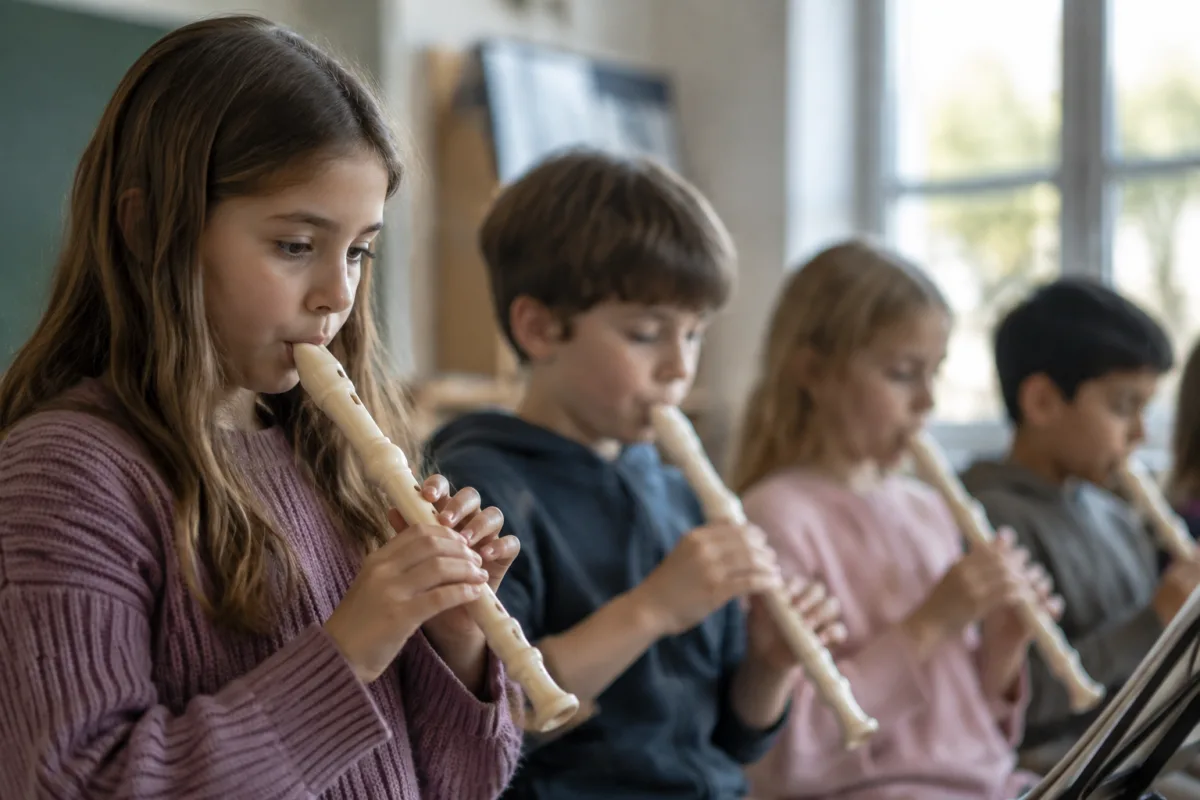
Why Get a Children's Recorder?
A children's recorder is the classic starter instrument—affordable, accessible, and genuinely enjoyable when you choose the right one. If you're looking for an instrument that teaches your child the fundamentals of music without breaking the bank, a recorder is a smart first choice. They learn breathing control, finger coordination, and can produce real melodies within days.
The trick is knowing what actually matters when you're shopping and what's just marketing. Not all recorders are created equal, and buying the wrong one can turn a promising musician into a frustrated kid with a squeaky plastic nightmare.
The Two Price Tiers to Know About
Children's recorders split into two clear groups, and the difference matters.
Budget recorders (£3–15) are everywhere—charity shops, supermarkets, online bargain stores. These are often made of hard plastic, have uneven bore, and produce a shrill, pinched sound that makes learning miserable. Many school music programmes buy these in bulk and children understandably lose interest fast. If a recorder sounds squeaky and hollow no matter how gently you blow, it's probably one of these. Avoid them unless you're genuinely just testing whether your child likes the instrument at all.
Quality beginner recorders (£15–35) use better plastic, have precision manufacturing, and are designed to sound pleasant. These are what music teachers recommend. Brands like Yamaha, Hohner, and Aulos make recorders in this range that sound warm and respond well. This is the sweet spot for a child starting lessons or learning at school. The extra £10–20 makes a real difference in how enjoyable the experience is.
You can spend more on wooden recorders (£50+), but that's overkill for a beginner. Save that investment until your child is serious and ready for the next level.
What to Check Before You Buy
The bore and sound hole alignment. Look at the recorder from the end—the hole should be centred, not off to one side. Misaligned bores are a sign of cheap manufacturing. This affects tone and intonation directly, making the instrument harder to play well.
Material and finish. Plastic is fine for beginners, but check that it feels solid and smooth, not thin or grainy. Avoid recorders with rough seams or cheap-looking finish—they wear badly and often leak or warp. Yamaha and Aulos plastic recorders feel substantial; budget alternatives feel flimsy.
The finger holes. Press each hole gently with your finger. They should be smooth, evenly sized, and free of burrs or seams that make them uncomfortable to cover. Shoddy finger holes are a common frustration in cheap recorders, leading to squeaks and missed notes.
Test a few notes. If you can try it in a shop, play a gentle note. A good recorder responds easily to gentle air and produces a clear, warm tone. Cheap recorders squeak on even medium air or sound thin and pinched. You'll feel the difference immediately.
Check the tuning. Beginner recorders from reputable brands are designed to sit in tune when played gently. Some budget models are wildly out of tune by design, which means your child will struggle to play with others or with backing tracks. This is a dealbreaker for learning.
Size and Age Appropriateness
Most children's recorders come in one standard size that suits ages 4–8. There's no "soprano" or "alto" confusion here—just the standard school recorder. The holes are spaced for small fingers, and the length is right for a young child's arm reach.
Some children's recorders are sized for very young children (ages 3–5) with slightly smaller holes, but these are niche. For most families, the standard children's recorder works from age 4 onwards.
If your child has very small hands or is just 3 years old, you might consider a smaller option—but check the reviews carefully. Many tiny recorders don't sound good enough to keep interest.
Popular Brands Worth Buying
Yamaha YRS-23 is the workhorse of children's recorders—affordable, robust, sounds pleasant, and reliable. It's used in schools worldwide and for good reason. Around £18–22.
Aulos 700 Series is another school standard, slightly warmer in tone than the Yamaha, with excellent playability. £15–20.
Hohner Melody is a budget-friendly option that punches above its price. £12–18, and reliably sounds better than cheaper alternatives.
Flauto Dolce makes beautiful plastic recorders in the £20–25 range—if you want something that sounds warm and inviting from day one, this is worth the extra investment.
Avoid unbranded recorders or ones from toy companies masquerading as music brands. The payoff from a £20 Yamaha over a £5 unknown brand is huge.
What Comes With the Recorder?
Check what's in the box. A good children's recorder set includes a cleaning rod and cloth—essential, because a wet recorder clogs and sounds dreadful. Some include fingering charts or a basic instruction sheet, which is handy.
Avoid packages with dozens of accessories—extra cases, stands, tablet holders. These are fluff. What matters is the recorder itself and a cleaning cloth.
Common Mistakes to Avoid
Buying the cheapest option to "test" if they like it. A squeaky, difficult instrument makes kids hate music before they've really tried. Spend £15–20 on a decent one from the start.
Assuming plastic is inferior to wood. Quality plastic recorders sound excellent and are more durable for children. Wood recorders need careful maintenance and are prone to cracking if a child forgets to clean them—save wood for later.
Buying ahead of time without knowing the school's specifications. Many schools have their own recorder programme and prefer a specific model or brand for consistency. Check with the teacher before you buy, especially if your child's starting school music lessons.
Forgetting the cleaning cloth and rod. A blocked, wet recorder is the quickest way to ruin a child's interest. Always include cleaning supplies.
Choosing based on looks alone. A fancy-coloured or patterned recorder won't sound good if the manufacturing is poor. Focus on brand reputation and materials first, aesthetics second.
Where to Buy
Music shops usually have recorders you can try before buying—that's worth the potential premium. Online, retailers like Thomann and Amazon have good selections and customer reviews. School music suppliers are reliable. Avoid general toy retailers unless they carry proper music brand names.
For more details on recorder fundamentals and technique, check out our complete guide to children's recorders to understand how they work and what makes them such an enduring first instrument.
The Bottom Line
A children's recorder is a genuine investment in your child's musical future, and spending £15–25 on a quality option from a reputable brand makes all the difference. A good recorder sounds pleasant enough to stay interesting, responds well to gentle playing, and builds confidence fast. You're not buying a toy—you're buying an instrument that will either inspire your child or frustrate them. Make it count.


Comments