
Audio Voice Recorder article
The Complete Guide to Audio Voice Recorder
An audio voice recorder captures high-quality vocal performances and conversations. Learn about types, features, and how to select the right recorder for your goals.
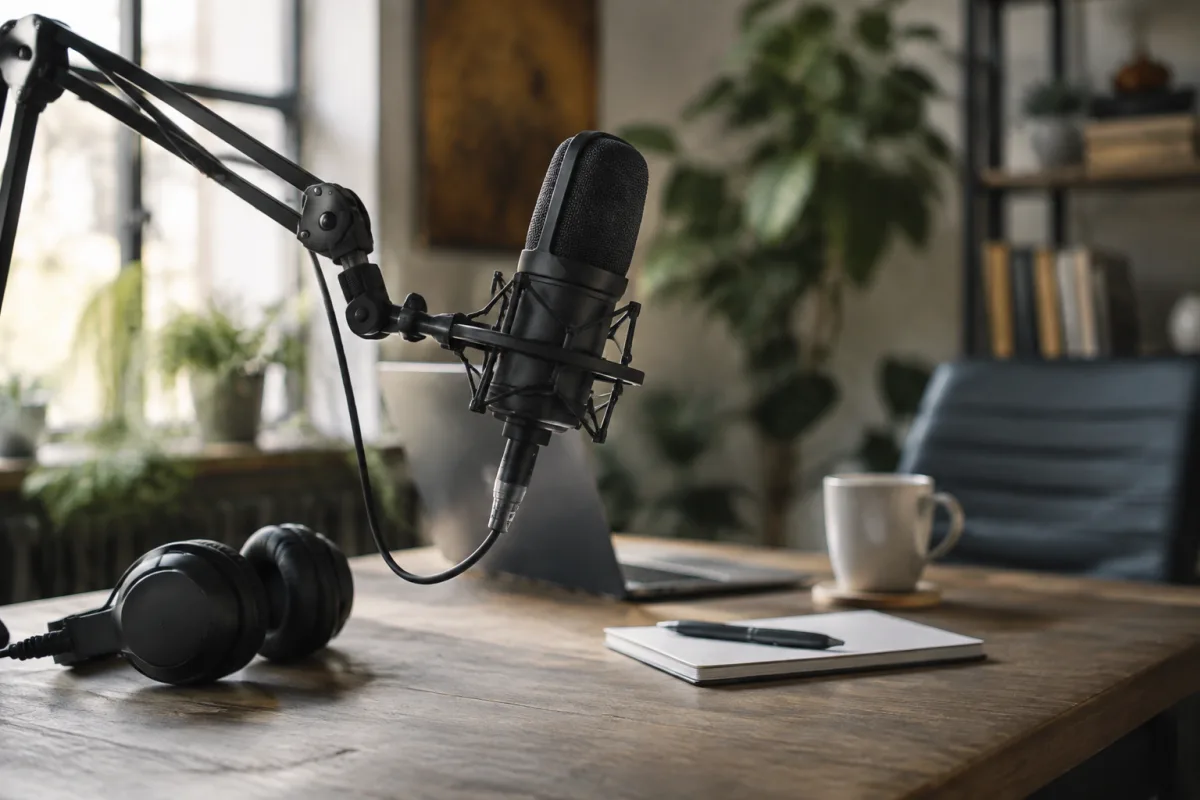
An audio voice recorder is an essential tool for musicians, podcasters, journalists, and anyone who needs to capture high-quality vocal performances or conversations. Modern voice recorders have evolved far beyond simple dictation devices into sophisticated instruments capable of professional-grade recording and editing. Whether you're capturing a spontaneous song idea, recording podcast episodes, or documenting acoustic performances, choosing the right equipment can make the difference between a mediocre capture and a broadcast-ready recording.
Types of Voice Recorders
Understanding the different categories of recording devices helps you select the right unit for your specific needs. Each type serves different purposes and comes with distinct advantages and trade-offs.
Smartphone Recording Apps are the most accessible option. Built-in apps on modern phones offer surprising quality for casual recordings. A basic audio voice recorder app on your smartphone can capture decent-quality vocals for demos or notes, though professional applications may benefit from higher-quality equipment.
Dedicated Portable Recorders are compact devices designed specifically for capturing audio on the go. These models range from simple mono devices to sophisticated stereo systems with advanced features. Portable recorders offer superior audio quality compared to phones and include features like multiple microphone inputs, recording format options, and onboard editing capabilities.
Digital Voice Recorders are compact, pocket-sized units optimised for speech recording. Originally designed for dictation, quality models in this category now serve musicians, podcasters, and interviewers. They're incredibly portable and offer excellent battery life, making them ideal for field recording and capturing spontaneous performances.
Professional Studio Systems are the highest-tier recording solutions, designed for serious production work. These setups often connect to computers and feature extensive editing, mixing, and mastering capabilities. They're the choice for artists serious about achieving professional sound quality.
Key Features in Voice Recording Equipment
Audio quality is the primary consideration when evaluating any audio voice recorder. Look for units that support uncompressed WAV recording at high sample rates—44.1 kHz or higher is standard, whilst 48 kHz or 96 kHz offers studio-grade capture. Bit depth should be at least 16-bit, with 24-bit recorders providing superior dynamic range and fidelity.
Microphone quality directly impacts the output of your recording device. Built-in microphones on budget models often introduce noise and lack sensitivity for clean vocal capture. Consider an audio voice recorder with external microphone inputs if sound quality is critical. Many serious users pair their equipment with a dedicated external microphone.
Storage capacity matters significantly, particularly for long recording sessions. A quality unit should offer substantial internal storage or expandable memory via microSD cards. Professional models may record hundreds of hours depending on file format and sample rate.
Battery life is crucial for portable use. Your recorder should provide at least 8 hours of continuous recording on a single charge. Some models use standard AA batteries, offering the advantage of swapping depleted batteries in the field without stopping your session.
Synchronisation and connectivity features let your recording equipment integrate with other gear. Look for models supporting USB, Bluetooth, or WiFi connectivity for easy file transfer. Some advanced units offer MIDI support or integration with digital audio workstations (DAWs).
Comparison of Popular Recording Categories
| Recorder Type | Portability | Audio Quality | Cost | Best For |
|---|---|---|---|---|
| Smartphone App | Excellent | Adequate | Free–£5 | Quick Ideas & Demos |
| Portable Stereo Recorder | Very Good | Excellent | £50–£200 | Field Recording & Musicians |
| Digital Voice Recorder | Excellent | Very Good | £30–£150 | Interviews & Podcasting |
| Professional Studio System | Limited | Exceptional | £200–£2000+ | Professional Production |
Recording Vocals Effectively
Capturing excellent vocal recordings requires more than just owning an audio voice recorder—technique matters significantly. Position your mouth at a consistent distance from the microphone to maintain even volume levels throughout your session. Most professionals recommend 6 to 12 inches from the microphone for optimal vocal capture.
Ambient noise is the enemy of quality voice recording. Choose a quiet recording location, ideally a room with soft furnishings like carpets, curtains, and upholstered furniture that absorb sound. Hard, reflective surfaces cause echo and muddiness that's difficult to remove after recording.
Perform a test recording before committing to your final take. A practice run lets you check levels, identify microphone placement issues, and confirm the recording environment is suitable. Many professionals record multiple takes and select the best performance, leveraging their equipment's storage capacity.
Podcast and Interview Recording
An audio voice recorder designed for podcasting should offer reliable, consistent performance over extended sessions. Look for models with clear backup power options—this ensures your device continues operating even if the battery fails mid-recording. Multiple microphone inputs are essential for recording interviews or group discussions, allowing capture of each speaker independently.
Directional microphone capabilities help your recorder isolate intended audio whilst minimising background noise. Cardioid microphones are particularly useful for podcasting, as they capture sound primarily from the front whilst rejecting off-axis noise.
Maintenance and File Management
Regular maintenance keeps your recording equipment functioning reliably. Clean the microphone regularly to prevent dust buildup that reduces sound quality. Store your recorder in a clean, dry environment, and handle it carefully to avoid drops that damage internal components.
File management is critical for any serious user. Develop a system for organising recordings by date, project, or speaker. Back up your files immediately to external storage or cloud services—losing valuable recordings due to device failure is unfortunately common. Most recorders support USB transfer for easy backup.
Choosing Your Recording Equipment
Your ideal audio voice recorder depends on your specific requirements. Casual musicians and podcasters often find a mid-range portable or digital recorder sufficient. Professionals investing in serious production work justify the cost of high-end systems that deliver exceptional sound quality and advanced features.
Consider your budget, required audio quality, portability needs, and intended use before selecting equipment. Start with a model that meets your current needs rather than buying over-specified devices. You can always upgrade to more sophisticated equipment as your skills and ambitions grow.
A quality audio voice recorder is an investment in your ability to capture and preserve your creative work. Whether you're recording spontaneous inspiration, professional podcast episodes, or live performances, having the right tool ensures your sessions produce results you'll be proud to share with your audience. Take time to select carefully, learn your device thoroughly, and your recorder will become an indispensable part of your creative toolkit.


Comments