


Recorder Instrument Yamaha Buying guide
Recorder Instrument Yamaha: A Complete Buyer's Guide
Purchasing a Yamaha recorder instrument requires understanding key specifications, build quality, and which model aligns with your skill level and intended use as a beginner or developing player.
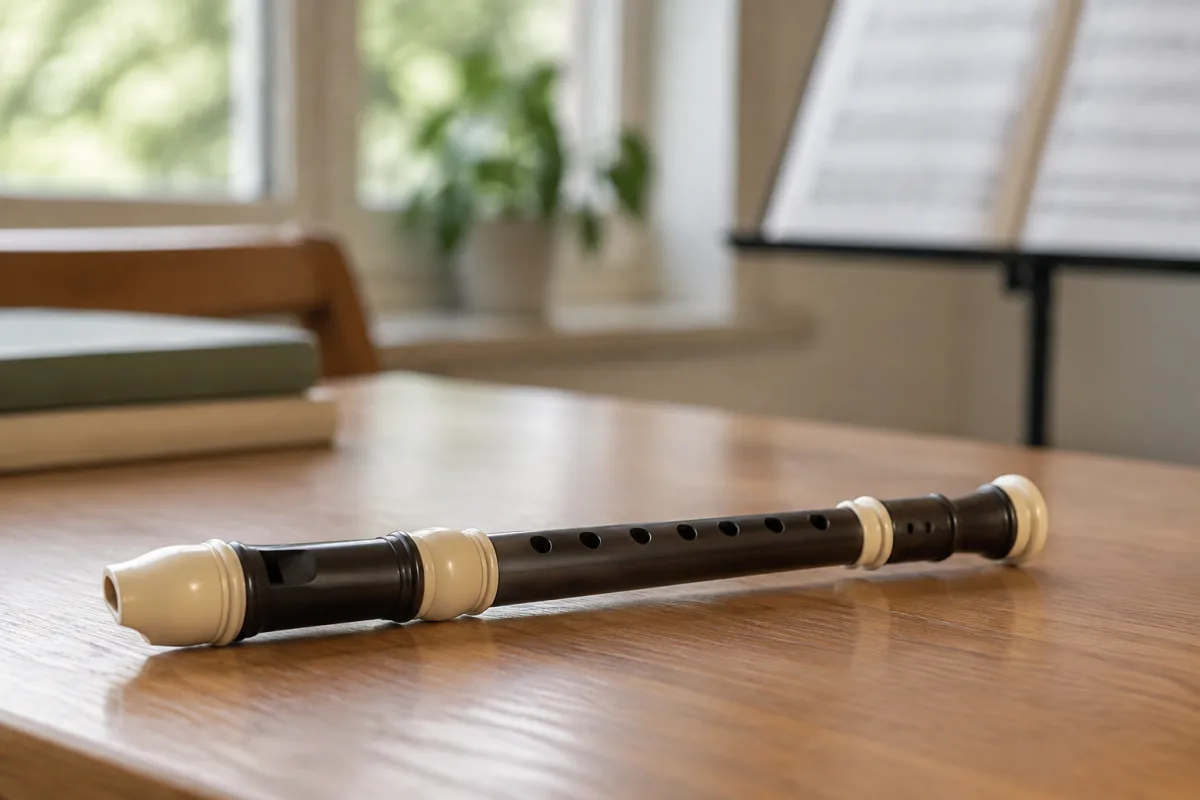
Purchasing a Yamaha recorder instrument represents an excellent entry point into woodwind playing for beginners and children developing musical interests. Yamaha's reputation for reliable construction, affordable pricing, and consistent tone quality makes their recorders among the most recommended instruments in music education worldwide. However, navigating their product range from basic school models to intermediate performance instruments requires understanding key specifications, build quality indicators, and which model aligns with your intended use and skill level.
Understanding Yamaha Recorder Instrument Product Lines
Yamaha produces several distinct recorder instrument categories serving different player demographics. The YRS-23 and YRS-24 series represent entry-level school recorders designed explicitly for classroom instruction—affordable, durable, and suitable for complete beginners learning fundamental technique. The YRM-64P and advanced plastic series offer improved tone quality and intonation accuracy for students progressing beyond basic fundamentals. Yamaha's professional wooden recorder instruments deliver superior tonal character and responsiveness for advanced and serious amateur players. Understanding which line matches your commitment level prevents over-investing in advanced instruments you cannot yet appreciate or purchasing undersized instruments you'll outgrow within months. Beginner players consistently gain maximum benefit from quality entry-level Yamaha recorder instruments rather than premium models they cannot yet exploit.
Key Specifications When Evaluating Yamaha Recorder Instruments
Several technical specifications directly impact playability and tone quality. Material composition fundamentally affects sound character; plastic recorders suit beginners and students without financial commitment, while wooden Yamaha recorder instruments deliver warmer tone and superior responsiveness. Bore size and internal geometry influence intonation accuracy; professional Yamaha recorder instruments feature precision bores ensuring consistent pitch across octaves and dynamics. Key mechanics determine ease of playability; recorders with simple mechanical keys suit beginners, while advanced models incorporate refined action reducing finger fatigue during extended playing. Finger hole design including size and placement affects technical playability; recorders engineered for smaller hands suit children and adult beginners with compact hand spans, while standard sizing works for most players. Windway design influences tone quality and air efficiency; professional Yamaha recorder instruments incorporate refined windways demanding precise embouchure control but rewarding skilled players with superior tone. External finish quality indicates overall construction standards; professional wooden recorders feature fine wood grain finishes suggesting careful material selection and craftsmanship. Assess these specifications honestly against your intended use and current technique level.
Price Tiers for Yamaha Recorder Instruments Explained
Budget entry-level Yamaha recorder instruments (£15-£35) deliver exceptional value for school use and absolute beginners, providing reliable playability and tone quality without substantial financial risk. Students progressing through intermediate technique levels benefit from stepping-stone models (£35-£75) featuring improved tone and intonation, justifying investment for serious learners. Premium plastic and beginner wooden Yamaha recorder instruments (£75-£200) serve passionate amateur players and music students seeking professional tone within reasonable budget parameters. Professional wooden Yamaha recorder instruments (£200-£500+) address advanced and serious players prioritising superior tone quality and responsive feel. Your appropriate investment tier correlates directly with your commitment level and technical progress; beginners gain minimal benefit from expensive professional instruments, while advanced players find budget models tonally limiting. Yamaha's strength lies in delivering exceptional value at entry and intermediate price points—budget Yamaha recorder instruments often outperform significantly more expensive competitor models.
Common Mistakes When Purchasing Yamaha Recorder Instruments
Several purchasing errors undermine otherwise sound decisions. Assuming beginner-focused instruments sound inferior misrepresents Yamaha's commitment to quality across their entire range; budget models rival expensive alternatives for players at basic technique levels. Purchasing premium wooden instruments before developing solid technique wastes capital and leads to frustration; players without adequate breath control and embouchure precision cannot exploit professional instruments' responsiveness. Neglecting proper care instructions causes deterioration regardless of instrument quality; wooden Yamaha recorder instruments require moisture management and careful cleaning preventing fungal growth and wood damage. Buying recorders without testing playability ensures buyer's remorse; competitive players require hands-on evaluation confirming responsiveness and feel before committing. Ignoring professional guidance from music educators leads to inappropriate model selection; teachers familiar with student progression provide invaluable recommendations. Purchasing undersized recorders for larger players creates frustration and potential technique problems; hand span and finger length significantly impact playability comfort. Finally, assuming all Yamaha recorder instruments deliver identical tone misunderstands their product philosophy; material composition and construction quality create profound sonic differences justifying price variations.
Plastic versus Wooden Yamaha Recorder Instruments
Your choice between plastic and wooden Yamaha recorder instruments significantly impacts playing experience and tone. Plastic Yamaha recorder instruments offer unmatched durability, affordability, and minimal maintenance requirements—ideal for school use, young children, and beginners prioritising reliability over sonic sophistication. They deliver acceptable intonation and tone suitable for learning fundamental technique without financial risk. Wooden Yamaha recorder instruments deliver superior tonal warmth, responsiveness, and expressive capability, appealing to players with developed technique able to exploit their sensitivity. They demand moisture management, regular cleaning, and careful storage preventing damage. The tonal difference favours wooden instruments substantially, though plastic recorders suit most learners adequately. Consider wooden Yamaha recorder instruments once you've developed solid basic technique and practise regularly; transitioning to wood too early frustrates developing players without technique to achieve satisfying tone.
Selecting the Right Yamaha Recorder Instrument Size and Range
Yamaha produces recorder instruments in various sizes and ranges serving different applications. Soprano recorders in C offer the standard school instrument size, familiar to most learners. Alto recorders in F deliver deeper, richer tone appealing to advanced players and ensemble musicians. Tenor and bass recorders serve advanced ensemble players and orchestral musicians. Selecting appropriate range depends on your current skill level and musical goals; beginners invariably start with soprano C recorders learning standard repertoire. Alto instruments suit students progressing to intermediate technique and ensemble participation. Tenor and bass instruments serve specialised applications within advanced musical contexts. Additionally, hand size significantly impacts soprano recorder choice; children under 10 typically require 3/4-sized soprano recorders, while standard sizes suit older students and adults. Evaluate hand span when purchasing ensuring comfortable finger positioning without strain or forced technique compensation.
Evaluating Yamaha Recorder Instrument Build Quality and Condition
Careful inspection distinguishes quality instruments from defective units regardless of price tier. For plastic Yamaha recorder instruments, inspect for cracks in the windway affecting tone quality and air direction. Check finger holes for consistent bore diameter; enlarged holes indicate wear or manufacturing defects affecting response. Test key mechanisms smoothly engaging without grinding or binding; sluggish keys indicate assembly issues. For wooden Yamaha recorder instruments, inspect wood finish for cracks suggesting moisture exposure or structural stress. Check wood grain consistency; unusual discolouration might indicate internal damage. Test finger holes for blockage or damage from careless cleaning. Examine the mouthpiece for wear patterns suggesting previous use; well-maintained instruments show minimal evidence of playing. Test the instrument's response by playing several scales; superior Yamaha recorder instruments respond immediately to fingering changes without sluggish tracking. Listen critically for consistent tone across registers; professional instruments maintain tone character when changing octaves more effectively than budget models.
Caring for Your Yamaha Recorder Instrument After Purchase
Proper maintenance preserves your Yamaha recorder instrument's playability and longevity. Clean plastic recorders thoroughly after each session using soft pipe cleaners preventing fungal growth; weekly deep cleaning with warm water prevents residue accumulation. Wooden Yamaha recorder instruments require more vigilant care—clean immediately after playing using dry swabs preventing moisture absorption. Store wooden instruments in protective cases maintaining stable humidity preventing wood cracking. Inspect regularly for cracks or loose joints requiring professional repair. Avoid extreme temperature fluctuations damaging wood structure. Professional cleaning and maintenance every 12-24 months extends instrument lifespan substantially. Invest in quality cleaning swabs and brushes protecting internal bore and tone quality.
Making Your Yamaha Recorder Instrument Purchase
After evaluating models, specifications, and build quality, make a decisive purchase matched to your skill level and musical intentions. Visit retailers offering hands-on testing; feel and responsiveness matter significantly more than visual appeal. Prioritise reputable Yamaha models over unknown brands despite similar pricing; Yamaha's quality consistency justifies preference over uncertain alternatives. Confirm the retailer's return policy ensuring satisfaction before committing long-term. Invest in quality accessories including cleaning supplies, protective cases, and proper care materials. Consider purchasing through music education retailers offering guidance and maintenance support. Once purchased, dedicate consistent practice developing solid technique; superior instruments reward disciplined engagement with noticeably improved tone and musical expression.
For comprehensive information about Yamaha recorder instruments and their features, explore our complete guide to recorder instrument yamaha.


Comments