
Large Recorder Instrument article
The Complete Guide to Large Recorder Instrument
A large recorder instrument such as a tenor or bass recorder adds warmth and depth to ensemble music. Discover how to choose and play a large recorder instrument effectively.
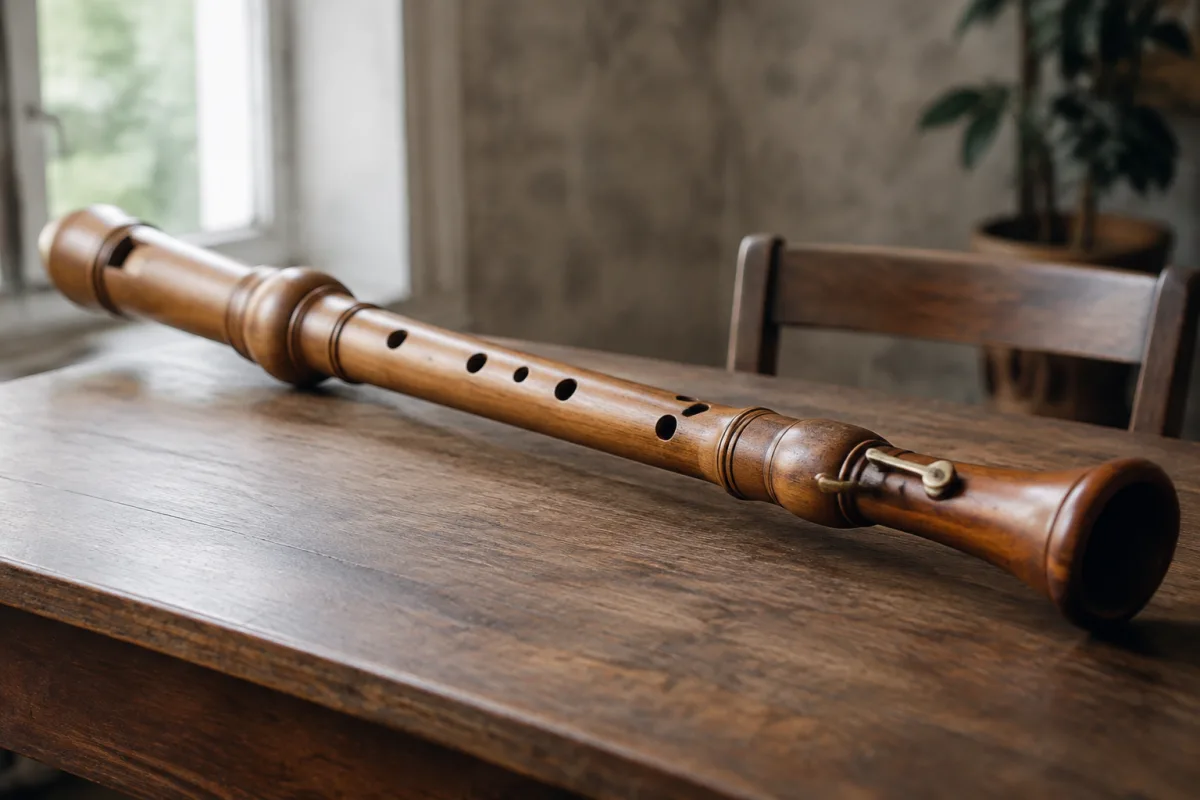
A large recorder instrument offers musicians a warm, resonant voice that distinguishes itself from the bright, familiar tones of standard soprano recorders. Often overlooked in modern ensembles, a large recorder instrument—typically a tenor or bass recorder—provides essential low-register support and creates rich harmonic depth in recorder consorts. This comprehensive guide explores the unique characteristics, playing techniques, and selection criteria for choosing and mastering a large recorder instrument.
Understanding Large Recorder Instruments
A large recorder instrument differs significantly from its smaller soprano cousins in construction, sound quality, and playing requirements. A large recorder instrument produces deeper, mellower tones through its extended length and larger bore diameter. The wooden construction typical of quality large recorder instruments creates organic warmth that plastic instruments cannot replicate.
The recorder family comprises several sizes, with a large recorder instrument referring to tenor and bass variants. A tenor large recorder instrument sounds approximately a fifth or sixth lower than a soprano, whilst a bass large recorder instrument descends even further. Adding a large recorder instrument to your collection opens entirely new musical possibilities, from Baroque ensemble work to contemporary classical compositions written specifically for lower-register recorders.
Types of Large Recorder Instruments
| Size | Typical Length | Transposition | Best For |
|---|---|---|---|
| Tenor Recorder | 24 inches (60cm) | A 5th lower than soprano | Consort parts, melodic depth |
| Bass Recorder | 32 inches (80cm) | An octave lower than soprano | Foundation bass lines, strong presence |
| Contrabass Recorder | 48+ inches (120cm+) | Two octaves lower | Specialised professional work |
| Descant Recorder | 12 inches (30cm) | Higher than soprano | High-register ornamentation |
Most amateur and semi-professional musicians begin their large recorder instrument journey with a tenor recorder, which offers playable range and manageable size. A professional ensemble often includes multiple large recorder instruments at different pitches to create the characteristic blend and harmonic richness of authentic Renaissance or Baroque recorder consorts.
Acoustic Characteristics of Large Recorder Instruments
A large recorder instrument produces fundamentally different acoustics than soprano recorders. The warm, woody tone of a quality large recorder instrument cannot be matched by soprano recordings. A large recorder instrument's lower register carries through large rooms and outdoor spaces, providing harmonic foundation that soprano lines cannot establish alone.
The attack characteristics of a large recorder instrument differ notably—notes take slightly longer to speak than on smaller instruments. A skilled player controls this naturally through embouchure and breath support. The resonance of a large recorder instrument means each note carries sustain and projection; notes don't fade as quickly as on soprano models, requiring different articulation techniques.
Playing Techniques Specific to Large Recorder Instruments
Mastering a large recorder instrument requires understanding its unique physical demands. The weight of a large recorder instrument necessitates proper support techniques—most players use a fabric strap or holder to reduce finger strain. Proper posture becomes crucial when learning a large recorder instrument, as balance and breathing support differ significantly from soprano playing.
The larger holes on a large recorder instrument require greater finger dexterity and reach. Players transitioning from soprano to a large recorder instrument must relearn fingering patterns and adjust their air support to maintain proper tone quality across the instrument's range. Many players discover that mastering a large recorder instrument actually improves their soprano technique by building breath control and intonation awareness.
Repertoire for Large Recorder Instruments
Significant musical repertoire specifically written for a large recorder instrument spans centuries. Renaissance composers wrote essential parts for tenor recorders in their consort music. Baroque composers including Telemann created dedicated tenor recorder concertos and sonatas demonstrating a large recorder instrument's expressive capabilities.
Modern and contemporary composers continue writing for a large recorder instrument, recognising its unique sonic qualities. A large recorder instrument appears in works from multiple genres—classical chamber music, film scores, and experimental contemporary compositions all feature a large recorder instrument's distinctive voice. Playing a large recorder instrument connects musicians to centuries of musical tradition whilst offering fresh artistic possibilities.
Selecting Your First Large Recorder Instrument
Budget considerations significantly impact large recorder instrument selection. Student-grade a large recorder instrument models constructed from plastic or composite materials cost £40-80, offering reasonable playability for learning fundamentals. Semi-professional large recorder instruments built from wood typically range £150-400, providing superior tone and responsiveness.
Professional-grade a large recorder instrument made from carefully selected hardwoods costs £400-1000+. Choosing your first large recorder instrument should balance budget with sound quality preferences. Many players rent or borrow a large recorder instrument initially to determine whether tenor or bass best matches their musical goals and physical capabilities.
Maintenance and Care
Properly maintaining a large recorder instrument ensures decades of reliable service. A quality cleaning rod and cloth should be used regularly—after each playing session, insert a cloth through a large recorder instrument to remove internal moisture. Wooden a large recorder instrument instruments require occasional oiling with bore oil to prevent cracking and maintain tonal qualities.
Temperature and humidity stability matter significantly for a large recorder instrument. Avoid exposing a large recorder instrument to extreme temperature swings, which can cause cracks in wooden instruments. Storing a large recorder instrument in a protective case maintains its condition between playing sessions. Professional maintenance by a qualified repair person every few years keeps a large recorder instrument in optimal playing condition.
Joining a Recorder Consort
Many musicians purchase a large recorder instrument specifically to participate in recorder ensembles or consorts. A large recorder instrument player contributes essential harmonic and bass foundation to group sound. Groups practising Baroque and Renaissance music specifically seek players experienced with large recorder instruments who understand historical performance practice.
Local music communities, universities, and Renaissance faire organisations often host recorder consorts welcoming musicians with a large recorder instrument. Joining an ensemble provides motivation for regular practice whilst connecting you with fellow enthusiasts. A large recorder instrument's role in group music making creates satisfying collaborative experiences.
Conclusion
Whether exploring Baroque repertoire or seeking fresh musical challenges, mastering a large recorder instrument opens rewarding artistic possibilities. The distinctive warm tones and repertoire of a large recorder instrument enrich any musician's capabilities and expand ensemble opportunities. By understanding a large recorder instrument's unique characteristics and selecting an instrument matching your musical goals, you'll discover why this underappreciated instrument remains valued in musical traditions spanning centuries.


Comments