
Music Instrument Piccolo article
The Complete Guide to Music Instrument Piccolo
Discover everything about the piccolo music instrument, from its brilliant high range to embouchure challenges, materials, and how to begin playing.
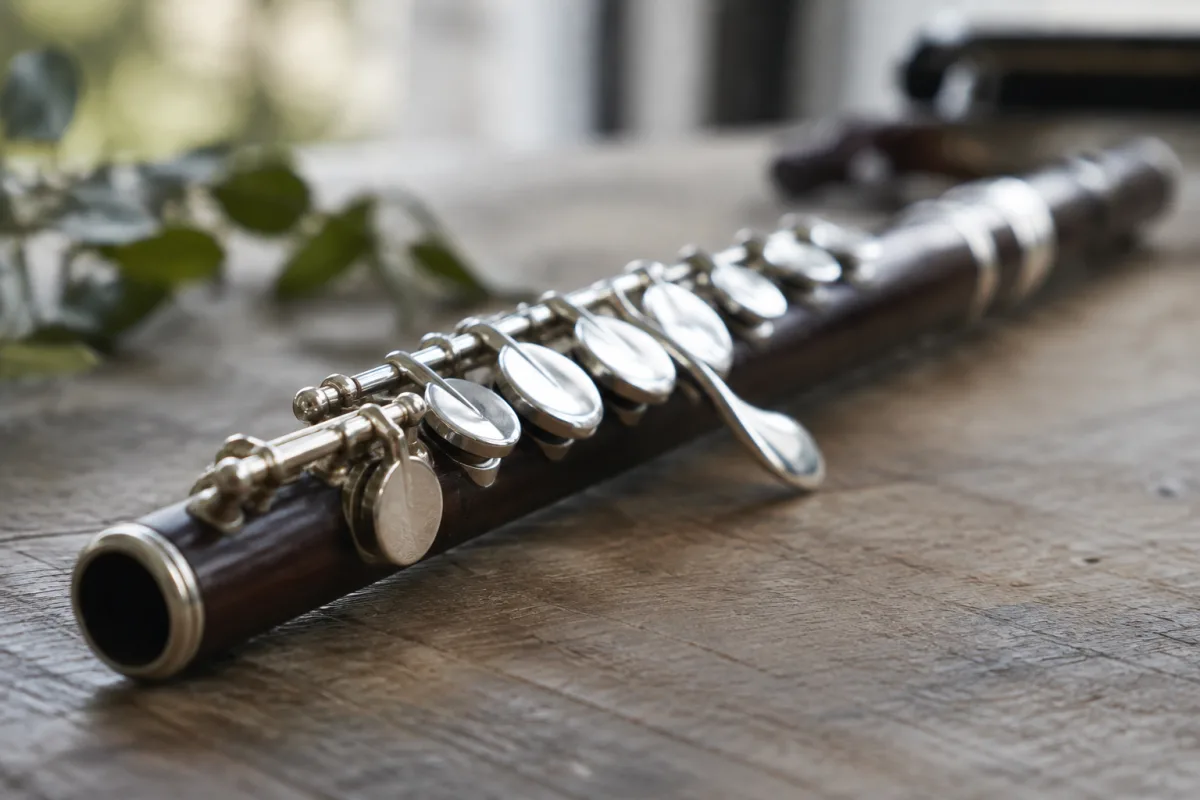
The piccolo stands as one of the most distinctive and instantly recognisable instruments in the orchestra and chamber ensemble. This diminutive member of the flute family produces the brightest, highest pitches of any woodwind instrument, cutting through the fullest orchestrations with crystalline clarity. Despite its small physical size, a music instrument piccolo demands significant breath control, embouchure precision, and technical facility from any musician aspiring to play it well.
Understanding the Piccolo as a Music Instrument
A music instrument piccolo is, fundamentally, a half-length flute pitched an octave higher than its larger cousin. The name itself, derived from Italian meaning "small," aptly describes its compact dimensions. Yet its small size belies considerable complexity and the substantial technique required to master this music instrument. The piccolo produces sound through the same principles as any flute — air blown across an embouchure hole creates vibrations that resonate within the tube.
Throughout orchestral history, composers have treasured the piccolo for its ability to add brilliance and incisive definition to instrumental texture. The Fife and Drum Corps traditions maintain piccolo as a central voice. Contemporary composers continue exploring the music instrument piccolo's unique sonic capabilities, recognising its capacity for both delicate artistry and powerful projection.
Physical Specifications and Construction
A music instrument piccolo typically measures approximately 32 centimetres in length — roughly half the size of a standard flute. The narrower bore and smaller tone holes create the characteristic bright timbre. Most piccolos are manufactured from wood or metal, with wooden piccolos generally preferred for their warmer, more traditional tone quality.
The key mechanism of a music instrument piccolo parallels that of a standard flute, allowing trained flautists to transition between instruments. However, the narrower key cups and smaller lever spacing demand precise finger technique. A music instrument piccolo's construction demands meticulous craftsmanship — even minor variations in bore measurements significantly affect intonation and response across the range.
Range and Tessitura
A music instrument piccolo extends the flute's range upward by an octave, allowing performers to access notes far beyond the standard flute's capabilities. The practical range of a music instrument piccolo spans from D5 to C8 (concert pitch), encompassing three octaves of brilliant high tones. This extreme range demands exceptional embouchure control and breath support from musicians.
Most standard orchestra parts for a music instrument piccolo sit comfortably within the upper portions of this range, where the instrument's tone projects most effectively and maintains tuning stability. Passages requiring the lowest notes on a music instrument piccolo present particular challenges, demanding considerable embouchure relaxation and air manipulation.
Material Selection: Wood vs Metal
Wooden piccolos, traditionally constructed from grenadilla or boxwood, produce a warm, rounded tone that blends beautifully with other woodwinds. A music instrument piccolo in wood responds with characteristic richness and carries superior projection in concert halls. Most professional orchestral musicians favour wooden piccolos for their tonal sophistication.
Metal piccolos, typically manufactured from silver or nickel silver, produce a brighter, more cutting tone particularly suitable for military or marching contexts. Whilst capable of beautiful playing, a music instrument piccolo in metal often requires careful dynamic control to prevent shrillness. Metal construction also typically means less expensive piccolos, making them appropriate for students beginning their journey with this music instrument.
Embouchure and Breath Control
Playing a music instrument piccolo demands exceptional embouchure precision. The small embouchure hole requires exact positioning of the lips and direction of the air stream. The piccolo's small size and high pitch make every embouchure adjustment immediately audible — a tiny shift in lip position changes the pitch noticeably.
Breath control on a music instrument piccolo differs substantially from flute. The smaller tube requires proportionally more focused air. Players must maintain consistent support whilst managing the increased air speed necessary to produce the highest notes on a music instrument piccolo. Many flautists find that their embouchure must tighten considerably when switching from flute to piccolo.
Intonation Challenges
The piccolo presents notorious intonation challenges. A music instrument piccolo in the extreme upper register tends toward sharpness naturally. Accomplished performers compensate through minute embouchure adjustments and voicing changes — adjusting the shape of the vocal tract to modify the air column's resonance. Orchestras regularly use piccolo players with exceptional tuning control to maintain ensemble precision.
Temperature changes affect a music instrument piccolo's intonation dramatically, particularly when moving between warm concert halls and cool outdoor environments (relevant for military and marching applications). Professional piccolo players warm their instruments carefully and understand the specific pitch tendencies of their particular music instrument piccolo.
Transitioning from Flute to Piccolo
Most flautists first encounter a music instrument piccolo through their orchestra or ensemble. The transition requires adjustment but proves manageable for experienced players. Flute technique transfers reasonably well to the piccolo — fingerings remain identical, and fundamental sound production principles hold true. However, embouchure adjustment and extreme dynamic control demand focused practice.
A music instrument piccolo rewards systematic study. Professional flute teachers often recommend that intermediate players begin exploration through orchestral excerpts, building familiarity gradually rather than jumping immediately to demanding solo repertoire. The piccolo's smaller size means that learning to play this music instrument comfortably requires patience and proper guidance.
Repertoire for Piccolo
A music instrument piccolo features prominently in numerous orchestral masterworks — from Berlioz's Symphonie fantastique to Vivaldi's concertos. Military bands and marching ensembles maintain deep piccolo traditions, with centuries of specialized music instrument piccolo literature. Contemporary classical composers continue creating innovative works exploiting this music instrument's unique sonic character.
Beyond classical contexts, the piccolo appears in modern orchestrations across film scores, popular music arrangements, and world music traditions. Learning a music instrument piccolo opens access to distinctive musical traditions and expands any musician's ensemble versatility.
Maintenance and Care
A music instrument piccolo demands meticulous care to maintain proper functioning and tone quality. Regular swabbing after playing prevents moisture accumulation that causes key sticking and pad deterioration. Wooden piccolos require periodic oiling to maintain bore stability and prevent cracking. Professional regulation by experienced technicians ensures a music instrument piccolo maintains consistent intonation and response across its range.
Storing your music instrument piccolo in a protective case with proper humidity control prevents damage. Many professionals maintain their piccolos in specialised cases with humidity regulators, understanding that environmental stability preserves the instrument's value and performance characteristics.
Conclusion
The piccolo, though diminutive in physical size, stands as a significant music instrument demanding considerable technical skill and artistry from those who master it. Its brilliant, penetrating tone and extreme range create unique musical opportunities unavailable on any other instrument. Whether you approach a music instrument piccolo as an orchestral specialist or a curious flautist exploring new instrumental territory, this remarkable music instrument rewards dedicated study with incomparable sonic rewards and musical satisfaction.


Comments