


Mouthpiece Cushions Buying guide
Mouthpiece Cushions: A Complete Buyer's Guide
Mouthpiece cushions reduce soreness and fatigue when playing saxophone, clarinet and other reed instruments. Explore materials, thicknesses, and how to pick the best option for your needs.
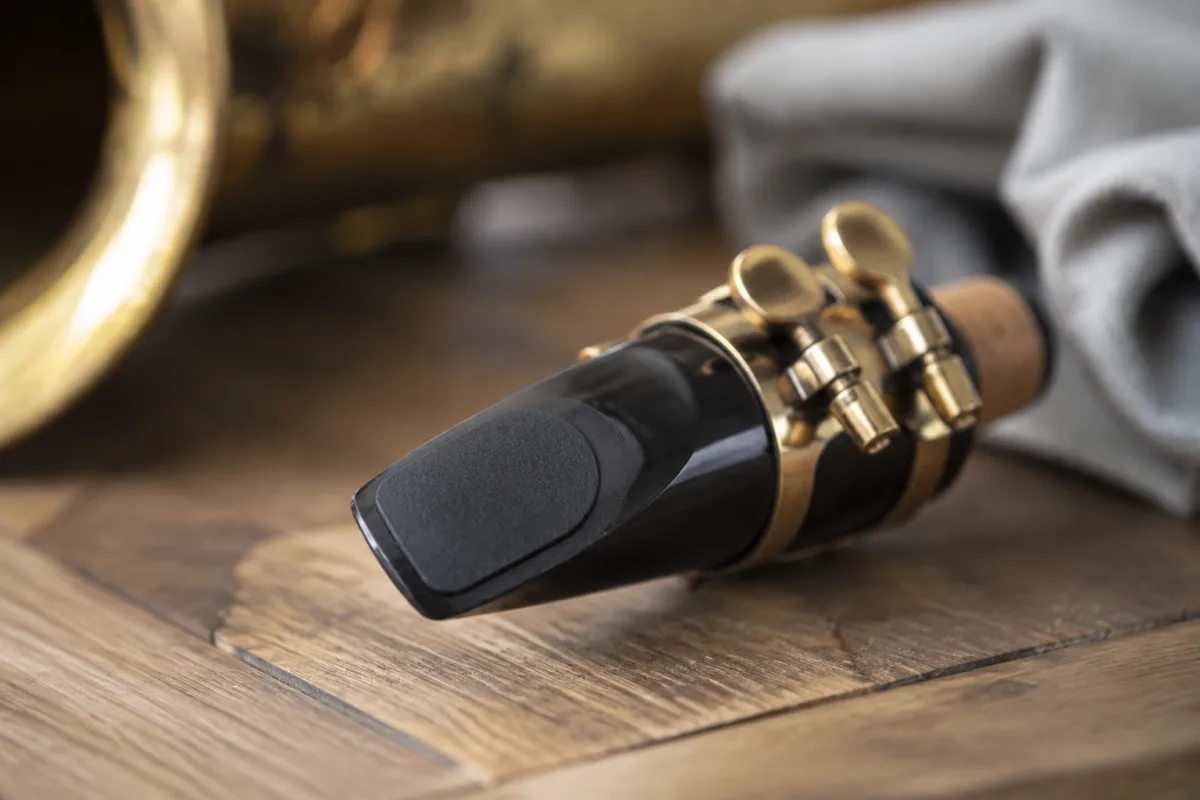
If you've noticed your mouth getting sore after playing saxophone, clarinet or any reed instrument, mouthpiece cushions might be exactly what you need. These small, protective pads attach to your reed's mouthpiece and can transform your comfort and playing endurance. But with various types, thicknesses and materials available, choosing the right mouthpiece cushions isn't straightforward. This guide helps you understand the options and make an informed choice based on your instrument, playing style and budget.
Why You Might Need Mouthpiece Cushions
A reed mouthpiece—the hard wood or composite part you place against your mouth—can cause soreness, especially during longer practice sessions or performances. The pressure, friction and pressure points can lead to chafing, bruising or general discomfort. Mouthpiece cushions create a soft barrier between your mouth and the reed mouthpiece, reducing this irritation dramatically.
This is especially true for beginners, whose mouths are still developing the calluses and muscle memory that come with months of playing. But even experienced players appreciate mouthpiece cushions for the added comfort and reduced fatigue during marathon practice or touring.
Types of Mouthpiece Cushions
Standard reed mouthpiece cushions: These are adhesive-backed foam or gel pads that stick directly to your reed mouthpiece. They're available in various thicknesses (typically 0.75mm to 2.5mm) and materials. Most cost £5–£15 and last anywhere from a few weeks to a few months depending on use and care.
Leather mouthpiece cushions: Traditional musicians favour leather mouthpiece cushions for durability and aesthetics. They're more expensive (£10–£25), often handmade, and can last years if treated well. Leather develops a patina over time and some players swear by the feel and resilience.
Gel mouthpiece cushions: Gel options offer superior shock absorption and comfort. They're slightly pricier (£8–£20) but many players find them worth the extra cost because they maintain their cushioning longer than foam.
High-tech mouthpiece cushions: Some specialist brands offer cushions infused with antimicrobial or moisture-wicking properties. These are premium options (£15–£30) suitable for players who practice intensively or perform regularly.
Thickness: Which Should You Choose?
Mouthpiece cushion thickness ranges from thin (0.75mm) to thick (2.5mm+). Your choice depends on comfort preference and playing style:
- Thin (0.75–1.5mm): Minimal material between your mouth and the reed mouthpiece. Offers subtle comfort without significantly altering the feel. Ideal if you want cushioning but don't want to radically change your playing sensation.
- Medium (1.5–2mm): The most popular choice. Provides noticeable comfort without changing the playing experience too much. A good starting point if you're unsure what thickness to try.
- Thick (2.0–2.5mm+): Maximum cushioning and comfort. Changes the feel of playing and can affect tone or embouchure (mouth position). Best for players who prioritise comfort over maintaining the original playing feel.
Material Considerations
Foam: Most affordable and available in every thickness. Foam mouthpiece cushions compress over time, requiring regular replacement. Budget for new cushions every 2–4 weeks if you play daily.
Gel: Superior shock absorption and durability. Maintains cushioning longer than foam. More expensive but often worth it if you play frequently or have particularly sensitive mouth tissue.
Leather: Premium feel and exceptional durability. Requires care (keep dry, treat with conditioner occasionally). Develops character over time. Worth considering if budget allows.
Neoprene: A middle ground between foam and gel. Durable, moderately priced, responsive. Some players prefer the tactile feel of neoprene.
Application and Maintenance
Most mouthpiece cushions are self-adhesive—peel the backing and stick them to your reed mouthpiece. Some come with adhesive you apply yourself. Position the cushion where your mouth most contacts the mouthpiece. For even distribution, many players place cushions on the top and bottom surfaces.
To remove old mouthpiece cushions, gently peel them away. Any adhesive residue can usually be cleaned with a little rubbing alcohol and a soft cloth. Avoid harsh scrubbing, which can damage the reed.
Common Mistakes When Choosing Mouthpiece Cushions
- Buying the wrong instrument type: A saxophone mouthpiece cushion may not fit a clarinet properly. Check compatibility before ordering.
- Going too thick immediately: If you're new to mouthpiece cushions, start with medium thickness. Thick cushions change your embouchure more dramatically than you might expect.
- Never replacing them: Mouthpiece cushions wear out. Replace them every 2–4 weeks if you play daily, or when you notice they're no longer cushioning effectively.
- Sticking them in the wrong spot: Position matters. Experiment to find where your mouth contacts the mouthpiece most, and cushion there.
- Assuming all brands are equal: Quality varies significantly. Budget brands sometimes peel or shed foam particles. Reputable brands cost slightly more but last longer and perform better.
Budget Recommendations
If you play casually (a few hours per week), budget foam mouthpiece cushions work fine. Replace them monthly at £5–£8 per set.
If you play seriously (daily practice or performance), invest in gel or quality foam mouthpiece cushions at £10–£15. They last longer and maintain comfort better.
If you're a professional or touring musician, consider premium gel or leather mouthpiece cushions at £20–£30+. The durability and comfort justify the investment.
For detailed information about specific brands, recommendations and deeper insight into mouthpiece comfort and maintenance, check our full mouthpiece cushions guide.
Final Thoughts
Mouthpiece cushions are a simple, inexpensive way to dramatically improve comfort and playing endurance. Whether you're a beginner or a professional, trying a pair is worthwhile. Start with a medium-thickness option, give it a week of playing to adapt, and decide whether the comfort gain justifies the minimal cost. Most players never go back once they've discovered how much mouthpiece cushions improve their experience.


Comments