


Ligature Buying guide
Ligature: A Complete Buyer's Guide
A comprehensive guide to selecting a ligature for saxophone or clarinet, covering material types, design features, price ranges, compatibility, and common buying mistakes.
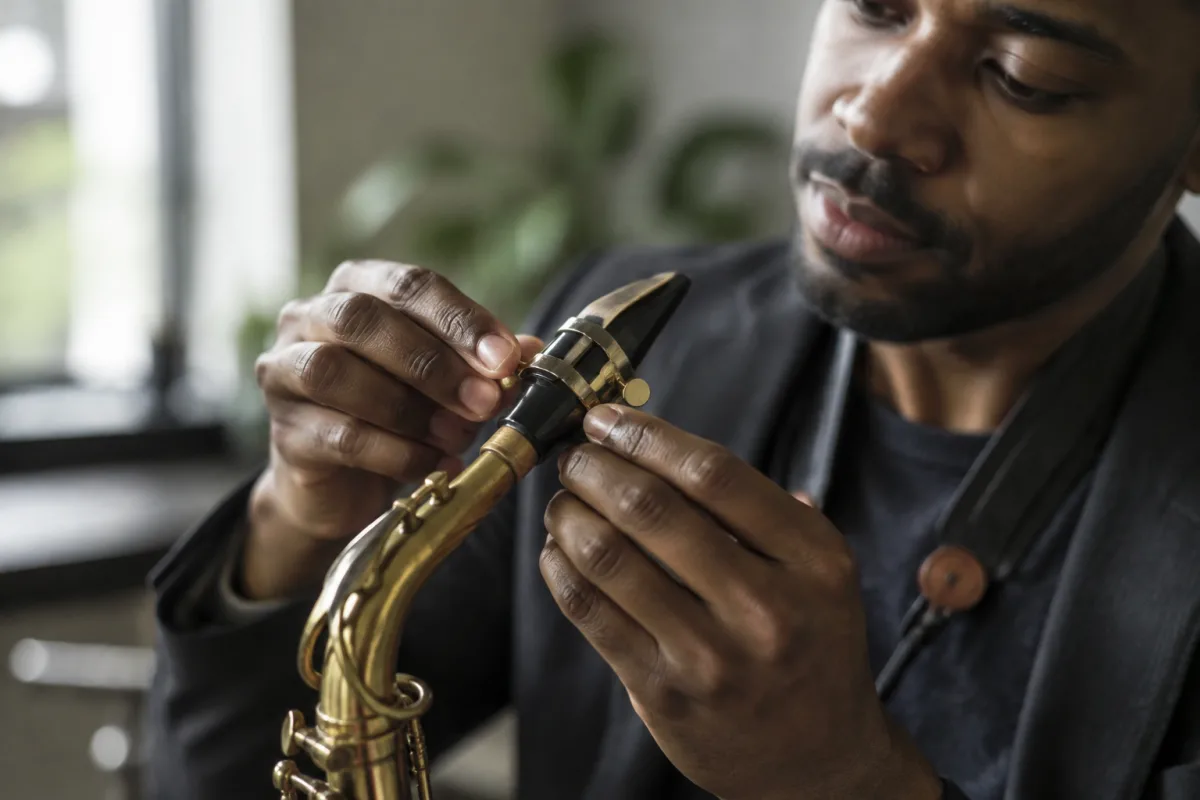
A ligature holds the reed onto your saxophone or clarinet mouthpiece. It seems simple—a strap with two or three screws—yet choosing the right ligature profoundly affects tone, response, and how your instrument feels to play. A poor ligature kills your tone; an excellent ligature seems to disappear, letting the reed and mouthpiece resonate freely. This guide navigates ligature options and helps you find the best match for your needs and budget.
Understanding Ligature Types and Materials
Ligatures come in four primary varieties, each offering distinct advantages and trade-offs.
Fabric Ligatures are traditional and affordable. Typically made from cotton, synthetic materials, or leather-like composites, a fabric ligature offers excellent tone warmth and a supple feel during playing. Prices range £20-60. Fabric is forgiving on reeds, producing fewer squeaks and offering smooth response. The downside? They wear with use, require periodic replacement, and aren't ideal for aggressive playing styles. Entry-level and school-provided instruments often include basic fabric ligatures; they're fine for starting, but many serious students upgrade quickly.
Leather Ligatures deliver classic tone with responsive feel. Real leather develops character with age—many players prefer well-worn leather ligatures to new ones. Expect to pay £40-120 for quality leather ligatures. Leather is durable, ages beautifully, and remains popular with traditionalist saxophonists and clarinetists. However, leather can be temperamental in humid environments and requires occasional conditioning to maintain flexibility.
Metal Ligatures provide maximum projection and a brighter, more cutting tone. Some metal ligatures use screws; others employ elegant lever systems. Metal ligatures typically cost £60-180. They're ideal for orchestral playing, where projection through an ensemble matters, and for players seeking responsiveness and cutting edge. The trade-off? Metal ligatures can be unforgiving on marginal reeds and occasionally produce harsh overtones if the reed isn't perfectly matched to your mouthpiece.
Hybrid and Designer Ligatures combine materials—sometimes leather with metal accents, or fabric with reinforced edges. These premium options cost £80-200+. Designer ligatures often feature unique screw placements, ergonomic considerations, or special material combinations offering specific tonal characteristics. They're worth exploring once you understand your basic preferences.
How Ligature Design Affects Your Tone
Beyond material, design specifics matter enormously. These details distinguish premium ligatures from mass-produced versions:
| Design Feature | Impact on Playing | What to Notice |
|---|---|---|
| Screw Count (2 vs. 3) | Three screws offer even pressure; two-screw ligatures concentrate pressure. Even pressure = stability; concentrated pressure = projection | Two screws suit solo players; three screws suit orchestral needs |
| Screw Placement | Where screws clamp affects which part of the reed is most pressured. High pressure points dampen tone; low pressure allows reed to vibrate freely | Premium ligatures place screws thoughtfully; budget versions don't optimise placement |
| Padding Quality | Padding protects the reed and mouthpiece from screw indentation and damage. Soft padding feels nicer; firm padding prevents reed shifting | Good padding feels consistent across the ligature's width. Cheap padding is thin and uneven |
| Flexibility vs. Rigidity | Flexible ligatures conform to reed and mouthpiece geometry; rigid ones enforce their own shape. Flexibility = responsiveness; rigidity = consistency | Feel the ligature before buying. Does it flex naturally or feel stiff? |
| Reed Compatibility | Some ligatures work better with softer reeds; others suit harder reeds. Mismatch causes squeaks or dead tone | Test ligatures with your actual reeds before committing to purchase |
Ligature Price Tiers and Value
Budget Tier (£15-40) includes school-quality and entry-level fabric ligatures. Adequate for beginners exploring the instrument, these ligatures produce acceptable sound but offer minimal sophistication. They work fine for learners; serious students quickly upgrade.
Mid-Range Tier (£40-100) encompasses quality leather and fabric ligatures, as well as budget metal options. A ligature in this range offers genuine tonal improvement and durability. Most serious amateur and professional players operate here. Value-for-money is excellent—a £60-80 ligature often outperforms budget options by a wide margin.
Premium Tier (£100-200) features premium leather, high-quality metal, and designer ligatures. These instruments are built to exacting standards, often featuring unique screw mechanisms or proprietary materials. Professional performers and recording artists invest here for tonal precision and consistency.
Signature/Specialty Tier (£150-300+) includes artist-signature ligatures and handcrafted options. This tier is for collectors and professionals with specific needs. Unless you're recording at high levels or performing internationally, this range is overkill.
Common Ligature Buying Mistakes
Mistake One: Assuming More Screws Are Always Better Three-screw ligatures aren't universally superior to two-screw versions. Three screws provide even pressure (good for orchestral playing); two screws concentrate pressure for projection. Your playing context, not universal superiority, should guide this choice.
Mistake Two: Buying Without Your Reeds A ligature that feels perfect with one reed brand might be unsuitable with another. Screw tension, padding firmness, and even material compatibility vary by reed. If possible, test potential ligatures with your actual reeds before committing to purchase.
Mistake Three: Choosing Based Solely on Tone Samples YouTube comparison videos are helpful, but ligatures behave differently in different hands and with different mouthpieces. Tonal differences between two ligatures might vanish or reverse when you're playing. Prioritise how a ligature feels more than how it sounds in demos.
Mistake Four: Overlighting or Overtightening Even premium ligatures will damage reeds if clamped too tightly. The reed should compress gently, not squeezed. A common error is screwing too tightly, which actually kills tone and accelerates reed fatigue. Learn proper tension—firm but gentle—before evaluating whether a specific ligature "works" for you.
Material Considerations by Playing Context
For Classical Orchestral Playing: Metal ligatures with three screws offer projection and stability necessary for blending with other voices. Leather is also excellent if you prefer warmer tone. Metal or premium leather ligatures suit orchestral contexts.
For Jazz and Solo Performance: Personal preference matters more than genre convention. Some jazz saxophonists favour bright metal ligatures for cutting through ensembles; others prefer leather warmth. Experiment with various types before settling on your preference.
For Studio Recording: A premium ligature maximises control and consistency across multiple takes. Metal or designer ligatures excel here, offering predictable response and tonal clarity. The investment pays off through better recordings.
For Students and Learners: A mid-range fabric or entry-level leather ligature is appropriate. Upgrading to premium options before understanding your preferences wastes money. As your skills develop, upgrade to a better ligature matching your discovered aesthetic.
Compatibility: Universal Fit Is Not Guaranteed
Most ligatures fit standard soprano, alto, tenor, and baritone saxophones. However, some specialty mouthpieces (particularly vintage pieces) may have non-standard designs. Clarinet ligatures are different from saxophone ones and aren't interchangeable. Double-check compatibility before purchasing, especially if you play non-standard instruments.
Testing a Ligature Before Committing
When evaluating a potential ligature:
Fit Assessment Does the ligature sit evenly on your mouthpiece? Does it slide on without forcing and stay without shifting? Poor fit creates frustration regardless of tone quality.
Padding Feel Touch the padding. Is it soft and protective or thin and scratchy? Quality padding makes daily playing more comfortable and prevents reed damage.
Screw Smoothness Turn the screws. Do they turn smoothly or feel gritty? Gritty screws suggest poor quality control. Smooth screws indicate precision manufacturing.
Tone Response With your actual reed and mouthpiece, does the ligature produce clear response? Play scales, noting whether response feels even across registers. Pay attention to how the ligature makes you feel—confidence and ease matter.
Caring for Your Ligature
Ligature maintenance is minimal. Wipe fabric and leather occasionally with a soft cloth. If using leather, apply leather conditioner every few months to maintain suppleness. Metal ligatures need only occasional cleaning. Most ligatures last years with basic care.
The Ligature Evolution: Upgrading Your Choice
Your ligature preferences may evolve as your playing develops. Beginning with a mid-range ligature is sensible; upgrading to premium or designer options once you understand your aesthetic is logical progression. Many players maintain multiple ligatures for different playing contexts—a bright metal ligature for orchestral work, a warmer leather ligature for solo playing.
For comprehensive comparisons and specific brand recommendations, explore the complete guide to ligatures, which covers specific models, brand reputations, and advanced techniques.
A great ligature becomes invisible—you stop thinking about how your reed is held and focus entirely on making music. Choose thoughtfully, test with your own equipment, and trust your instincts about how a ligature makes your playing feel.


Comments