


Jean Paul Saxophone article
Everything You Need to Know About Jean Paul As400 Alto Saxophone
Jean Paul saxophones offer affordable entry-level instruments for aspiring saxophonists. Learn about their strengths, limitations and suitability for your needs.
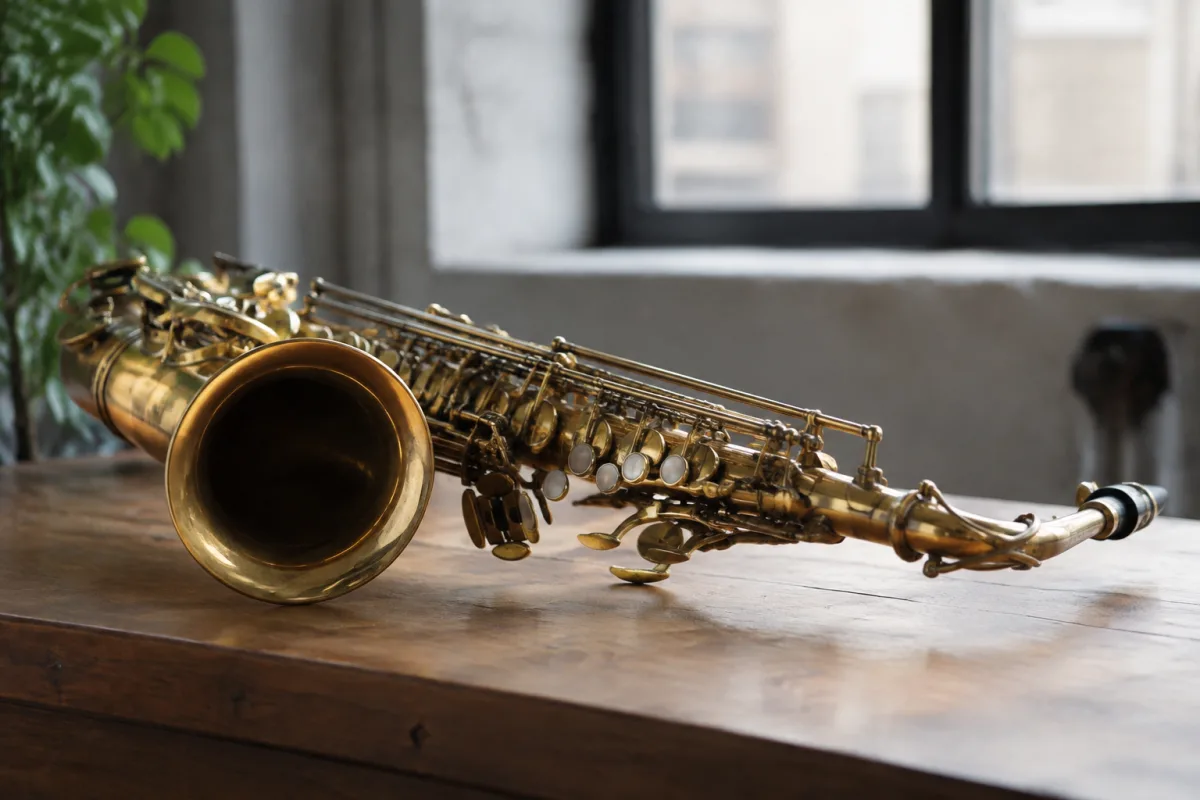
Jean Paul saxophones have established themselves as reliable, affordable instruments for students and developing musicians worldwide. These instruments combine reasonable build quality with accessible pricing, making them popular choices for school band programmes and beginning jazz learners. Understanding Jean Paul's positioning in the market, their strengths and limitations helps you determine whether they represent a suitable choice for your musical journey.
Jean Paul's Market Position and History
Jean Paul saxophones emerged as budget alternatives to premium brands like Yanagisawa, Selmer and Keilwerth. The brand prioritises affordability and durability over premium tonal character and sophisticated construction. Most Jean Paul instruments serve student musicians and school band programmes rather than professional players, though some models appeal to intermediate players seeking value.
Jean Paul Saxophone Models
Jean Paul produces saxophones across the primary sizes:
Alto Saxophone
The most popular student size, alto saxophones suit beginners through intermediate players. Jean Paul alto models offer playable, in-tune instruments at accessible prices. They respond well to developing technique and produce adequate tone for school band and early jazz contexts.
Tenor Saxophone
Larger than altos, tenor saxophones produce warmer, deeper tones. Jean Paul tenors suit intermediate players seeking larger instruments. They remain lighter and more affordable than premium tenor models whilst delivering adequate projection and presence for band and small ensemble work.
Soprano and Baritone Saxophones
Jean Paul offers soprano and baritone models for specialized applications. These sizes suit developing musicians seeking to explore saxophone's full range rather than serving as primary instruments.
Construction and Materials
Jean Paul saxophones employ brass construction with lacquered finishes. The manufacturing process prioritises cost efficiency over handcrafted precision. Pads, springs and regulation meet functional standards rather than premium specifications. The instruments are playable but lack the finesse and precision of professional-grade saxophones.
The sound, whilst adequate for learning contexts, remains thinner and less resonant than premium instruments. The difference becomes apparent when comparing Jean Paul saxophones side-by-side with quality student instruments from Yamaha or Jupiter.
Playability and Intonation
Jean Paul saxophones are generally in-tune across their range, making them suitable for band contexts and ensemble playing. The action (key height and resistance) is typically set conservatively to avoid regulation issues, though this can feel slightly stiff for developing players. A professional saxophone technician can adjust action to personal preference.
The saxophone responds adequately to developing technique, though it doesn't offer the responsiveness and control of premium instruments. This limitation doesn't hinder learning but becomes apparent as technique develops and players seek more nuanced control.
Value Proposition and Price
Jean Paul saxophones typically cost £300–£600 depending on model and condition. They occupy the budget end of the student saxophone market, below Yamaha (£400–£700), Jupiter (£500–£800) and similar quality student brands. This pricing makes Jean Paul attractive for beginners and school programmes with limited budgets.
The value calculation depends on your expectations. For discovering whether you enjoy saxophone and basic band participation, a Jean Paul offers playable instrument at accessible price. For serious students committed to jazz development or intermediate progression, investing in higher quality student instruments proves more satisfying long-term.
Maintenance and Repair
Jean Paul saxophones are straightforward to maintain and repair. Many saxophone technicians work on them regularly. Parts availability is generally good due to standard component manufacturing. Maintenance costs are no higher than other saxophones, though some specialty repairs may be more challenging due to tighter tolerances or non-standard components.
Comparative Analysis: Jean Paul Versus Other Student Saxophones
Yamaha student saxophones offer superior build quality, precise regulation and more refined tone at slightly higher prices. Jupiter saxophones provide excellent value with outstanding intonation and playability. Keilwerth and Yanagisawa offer professional-grade instruments. Jean Paul distinguishes itself through affordability, making them most suitable for budget-conscious beginners rather than serious intermediate players.
Used Market and Value Retention
Used Jean Paul saxophones are abundant, often selling for £150–£400. The large used market offers budget options for bargain hunters but also reflects the brand's positioning as consumable student instruments rather than investments. Premium brands retain value better and command higher used prices, suggesting stronger inherent quality.
Learning Progression and Instrument Upgrading
Many saxophone learners start on Jean Paul or similar budget instruments, then upgrade to intermediate or professional models after one or two years. This approach works well when budget is limited or you're uncertain about long-term commitment. However, quality student instruments like Yamaha support progression equally well whilst providing better tone and playability from day one.
Suitable Applications for Jean Paul Saxophones
Jean Paul saxophones serve well in specific contexts: school band programmes with limited budgets, absolute beginners testing their interest in saxophone, and rental replacement models. They're less suitable for jazz students, competitive concert band players or musicians committed to serious saxophone development.
Conclusion
A Jean Paul saxophone provides an affordable entry point to saxophone learning. However, musicians willing to invest slightly more in Yamaha, Jupiter or similar quality student instruments receive superior playability, tone and long-term satisfaction. The modest price difference creates substantial improvements in learning experience and motivation.




Comments