


Flute Case Buying guide
Flute Case: A Complete Buyer's Guide
Buying a flute case is essential protection for your instrument. Here's what matters—from case type and padding to moisture control and where to find genuine quality.
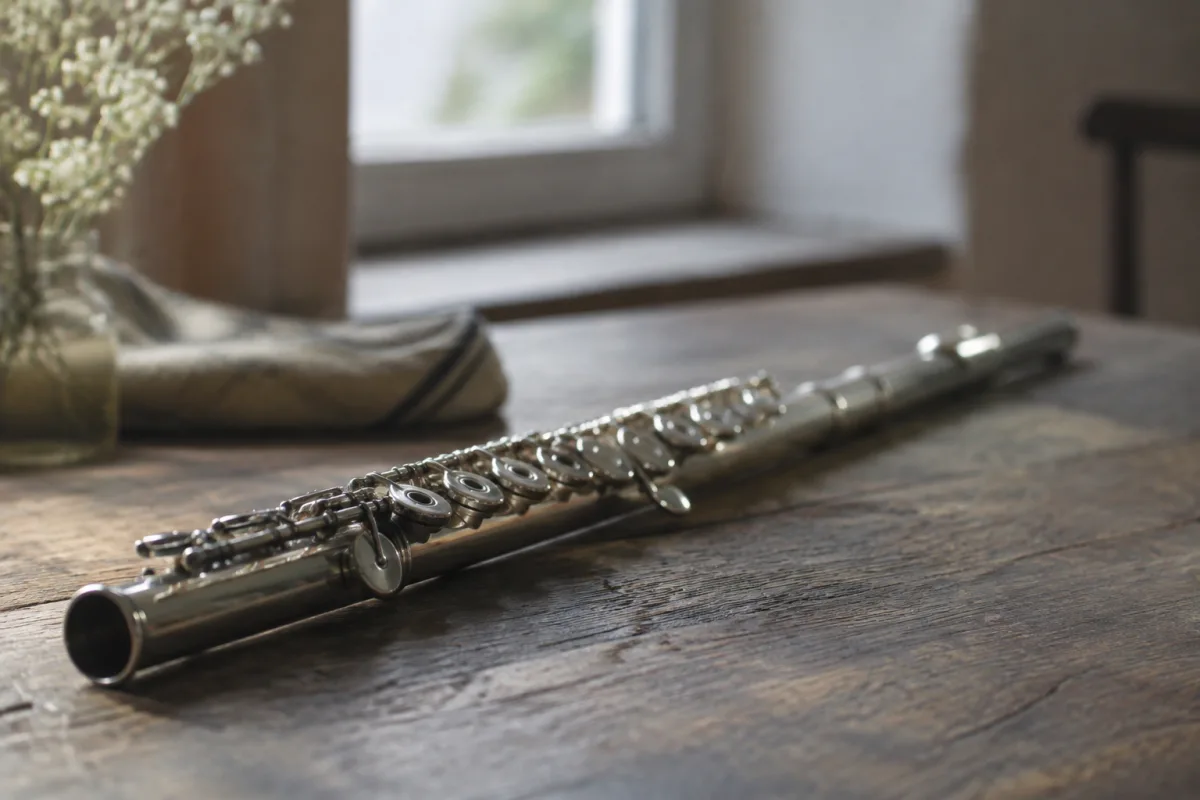
Buying a flute case is an investment in protecting an instrument that demands respect and careful handling. Your flute is delicate—moisture, temperature swings, and physical shock all threaten its structural integrity and playability. A decent case isn't luxury; it's essential. But with options ranging from basic soft cases to reinforced hard shells, choosing the right flute case can feel overwhelming. Here's what genuinely matters when you're selecting protection for your instrument.
Hard Cases vs Soft Cases: Protection vs Portability
A hard flute case offers maximum protection—typically hard plastic or aluminium construction that absorbs shocks and shields from impacts. Ideal if you transport your flute regularly, travel by air, or rehearse in multiple locations. Hard cases are heavier and bulkier, though, which can be awkward if you're walking to lessons or rehearsals frequently. A soft flute case is lighter, easier to carry, and takes up less space. It provides decent protection for normal use but won't survive hard knocks like a hard case will.
For students, a basic soft case usually suffices—rehearsal spaces and home storage rarely expose instruments to serious trauma. Professional musicians who gig regularly and travel often prefer hard cases; that extra protection is worth the added weight. Consider your actual usage. Do you move your flute between home, school, and rehearsals? A hard flute case makes sense. Practising at home and occasional local lessons? Soft is probably fine.
Padding, Lining, and Moisture Control
The real protection in any flute case comes from padding and interior lining. Quality padding absorbs shocks and holds your instrument securely. Look for foam padding that's at least 10–15 mm thick; thinner padding is token protection. A good flute case also manages moisture—the enemy of wood flutes. Flutes can crack if exposed to sudden humidity changes. Premium cases include moisture-absorbent materials or sealed compartments to help regulate humidity.
Check the interior lining when you're evaluating a flute case. Soft, smooth materials (velvet, microfibre) protect the flute's exterior. Cheap, scratchy linings can mark the flute's body or mechanism. Feel the interior padding carefully; if it compresses easily or feels thin, protection will be inadequate.
Compartments and Storage for Accessories
Your flute needs room to sit securely, but you also need space for reeds, cleaning cloth, maintenance tools, and sheet music. A well-designed flute case includes separate compartments or pockets for these items. Internal dividers keep everything organised and prevent the flute from sliding around. Exterior pockets add convenience for small items like reeds or a tuner.
Don't overlook practical details. Does the case have a handle for carrying? Is it comfortable to grip? Does it have a shoulder strap for hands-free carrying? Can you access the flute easily without removing other items first? A flute case that looks good but inconveniences you in daily use defeats the purpose.
Size and Configuration for Your Flute
Most flute cases are designed for standard concert flutes, but sizes do vary. Piccolo cases are smaller and lighter. Bass flutes need larger accommodation. Alto flutes sit in between. When shopping for a flute case, verify it's sized for your specific instrument. A concert flute in a piccolo case will rattle and risk damage; a piccolo in a concert case wastes space and leaves too much movement.
Some cases accommodate multiple instruments—a flute and piccolo together, or a flute plus backup headjoint. If you own several flutes or plan to, a multi-instrument case saves money and space. But multi-compartment cases are often bulkier and more expensive than single-instrument models.
Materials and Build Quality
Hard flute cases are typically polycarbonate plastic or reinforced aluminium. Polycarbonate is affordable, durable, and lighter than aluminium. Aluminium is premium, nearly indestructible, but pricier and heavier. Both work; polycarbonate is fine unless you fly frequently or expect rough handling.
Soft cases use nylon, canvas, or hybrid materials. Nylon is water-resistant and durable; canvas is softer and more comfortable to carry but less water-resistant. Check zippers—they're often the first thing to fail. Quality zippers glide smoothly and feel substantial. Cheap zippers stick and break easily. Look at stitching too; even stitching suggests quality construction.
Price Ranges and Finding Value
Basic soft flute cases start around £20–40, suitable for students and casual players. Quality soft cases run £50–100. Premium soft cases and entry-level hard cases cost £100–200. Professional-grade hard cases (reinforced construction, moisture control, premium lining) exceed £200. A good mid-range flute case around £80–120 offers genuine protection without breaking the budget.
Don't assume expensive automatically means better. Sometimes a flute case costs more because of branding or aesthetics rather than actual protection. Compare padding thickness, lining quality, and compartment design rather than price alone. Read reviews from actual musicians; they'll highlight practical strengths and weaknesses better than marketing language.
Common Mistakes When Choosing a Flute Case
Buying a cheap flute case to save money defeats the purpose. Your flute cost significantly more than adequate protection; skimping on the case is false economy. A £30 case won't protect a £500+ flute through even modest daily use. Invest in protection that matches your instrument's value.
Choosing an attractive-looking case without testing the padding or checking interior quality is risky. A pretty flute case that doesn't actually protect is useless. Feel the padding, check the lining, verify the compartments work as you need.
Overlooking humidity management matters more than many players realise. A flute case without any moisture protection leaves your instrument vulnerable to cracks. If you live in a very dry or very humid climate, or travel frequently, humidity control becomes essential. Premium cases address this; budget cases rarely do.
Where to Buy and What to Check
Specialist flute shops stock quality cases and can advise based on your flute type. Music retailers carry standard options. Online retailers often undercut prices but you can't inspect padding or feel the lining before purchase. Order from places with good return policies.
When evaluating a flute case in person, remove all padding and interior inserts to check what's underneath. Run your hands over the padding; it should feel substantial and uniform. Check all zippers and seams for quality. Test the handle or strap weight distribution. Ask if a replacement flute headjoint, extra reed, or cleaning tools fit comfortably in the allocated spaces.
Making Your Purchase
Start by determining your actual needs. Are you a student taking weekly lessons locally (soft case is fine)? A gigging musician travelling to performances (hard case makes sense)? Someone in an extreme climate where humidity matters (invest in premium moisture control)? Your answers point toward appropriate protection levels.
Check what comes with your flute case. Decent cases include a cleaning cloth, perhaps a swab or feather. Some include basic maintenance tools. Verify these items are present and functional. For comprehensive background on flute cases, their types, and care best practices, read our complete guide to flute cases. Once you've chosen, buy from a retailer that stands behind what they sell. Your flute case is protection first, aesthetics second—prioritise that balance and you'll have made the right choice.


Comments