


Cork Grease article
Cork Grease: A Complete Guide
Cork grease keeps woodwind instrument corks supple and smooth. This simple maintenance product prevents stuck joints, extends cork life and protects your costly instrument from preventable damage.
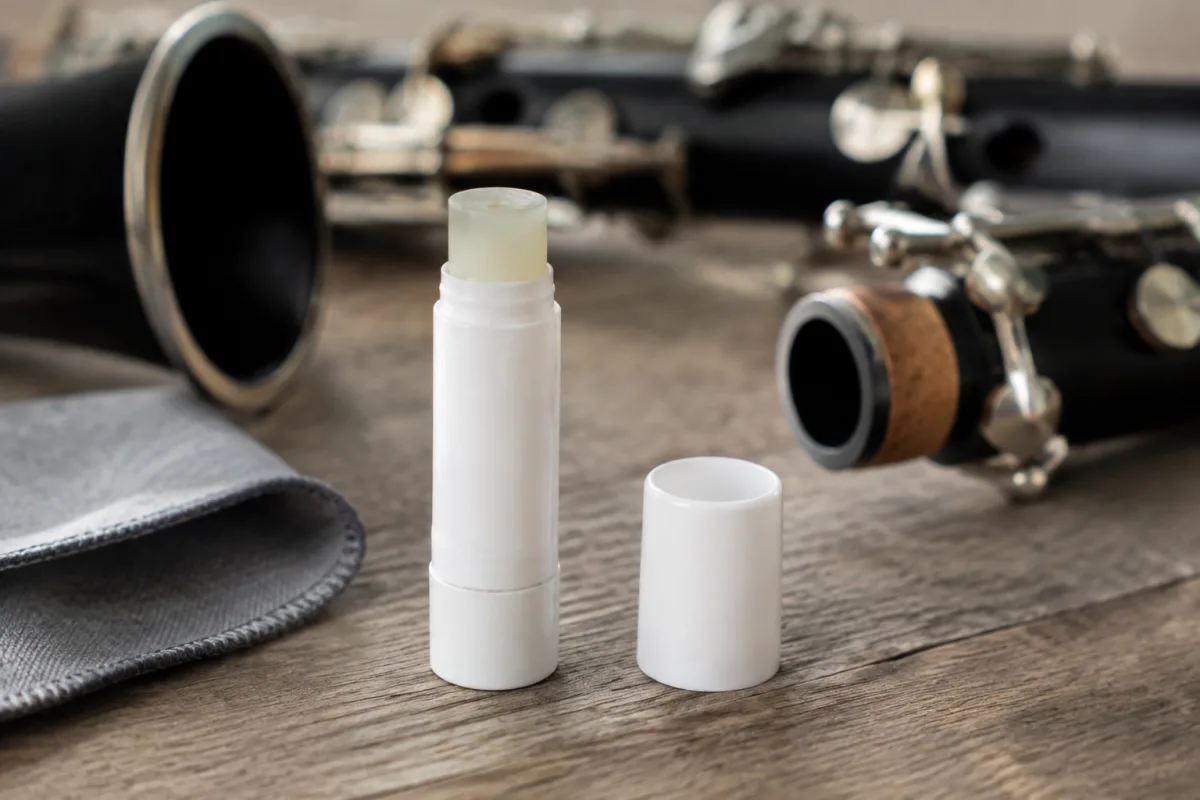
What is cork grease and why do woodwind players need it?
Cork grease is a lubricant applied to the cork sections of woodwind instruments to ensure smooth, friction-free assembly and disassembly. Woodwind instruments like oboes, clarinets, saxophones and bassoons feature cork-wrapped joints that connect body sections together. Without proper lubrication, corks stick, making assembly difficult and risking damage to delicate wooden bodies. Quality cork grease prevents damage, extends cork life and makes instrument maintenance quick and frustration-free.
Most woodwind players apply cork grease during initial setup and whenever corks become dry or sticky. It's an inexpensive maintenance item providing significant benefits—protecting expensive instruments from preventable wear and ensuring convenient daily playability.
How cork grease works on woodwind instruments
Cork grease forms a thin lubricant layer between the cork wrapper and the wooden tenons (male joints). This reduces friction, allowing smooth insertion and removal of connected sections. Quality cork grease remains stable across temperature and humidity ranges, resisting degradation and maintaining lubricating properties.
Woodwind instruments experience regular assembly and disassembly—during daily practice and performance setup. Without lubricant, cork gradually dries, becoming brittle and prone to cracking. Stuck corks force aggressive twisting during assembly, potentially cracking the cork or damaging the tenon, leading to costly repairs and frustrating leaks.
Types of cork grease available
Traditional cork greases employ petroleum-based formulations offering reliable lubrication and stability. Brands like Yamaha, Selmer and Rico provide classic petroleum greases trusted for decades. These formulations remain effective across temperature ranges and resist degradation.
Natural and synthetic cork greases have emerged as alternatives. Natural formulations (often beeswax or plant-based) appeal to environmentally-conscious players and those with sensitive skin. Synthetic greases offer consistency and predictable performance, though debates persist about their impact on cork longevity versus traditional petroleum options.
Tube-packaged greases remain the most common; some manufacturers offer stick or solid formulations. Consistency matters—too thick and application becomes messy; too thin and the lubricant transfers excessively to other surfaces.
Proper application techniques
Apply cork grease sparingly. A small amount—roughly a rice-grain size—on each cork section suffices. Most players apply grease along the cork's length, then assemble the joint once to distribute it evenly. Excess grease transfers to fingers and instrument bodies, attracting dust and creating mess.
Clean the cork first if it appears dirty or sticky. A soft, lint-free cloth removes accumulated dust and old grease. Apply fresh grease only after cleaning—reapplying over dirty cork defeats the purpose and creates sticky buildup.
Beginners often over-grease instruments. Resist temptation—less is more. Properly greased corks require minimal product, and overuse creates unnecessary mess without improving function.
Cork maintenance and longevity
Quality cork grease extends cork life significantly. Properly lubricated corks resist drying and cracking, remaining supple for years. Conversely, neglected corks gradually stiffen, eventually requiring professional replacement by a repair technician.
Environmental factors matter: extremely dry climates accelerate cork degradation, whilst humid environments slow it. Climate-controlled storage and regular, moderate grease application maintain cork condition across varying environments.
Most cork sections remain serviceable for 5–10 years of regular use if properly maintained. Worn or damaged corks require professional re-corking, an inexpensive repair (£20–£60) preventing more serious damage.
Choosing the right cork grease
Reputable brands like Yamaha, Selmer and Rico provide reliable cork greases formulated specifically for woodwind instruments. These manufacturers understand cork properties and formulate greases balancing lubrication with long-term cork preservation.
Generic grease or improvised lubricants (lip balm, petroleum jelly) work temporarily but risk damaging cork over time. Specialty woodwind cork greases cost £3–£8 per tube—small expense preventing instrument damage.
Natural or synthetic preferences remain personal choices. Test different brands if concerned about specific formulations, but any reputable woodwind cork grease from established manufacturers will serve reliably.
Common cork grease mistakes
Over-application creates sticky mess, transferring to hands and nearby surfaces. Under-application leaves corks dry and sticky. Finding balance takes practice—use a small amount and observe how the cork responds. Adjustments follow quickly.
Applying grease unevenly results in some joints remaining sticky while others become overly slippery. Assemble and disassemble the instrument once after application to distribute grease evenly across the cork surface.
Neglecting cork maintenance eventually results in stuck joints requiring force to separate—risking cork cracking and tenon damage. Establish a routine: apply grease monthly during regular practice and whenever assembly feels sticky. Prevention is far simpler than damage repair.
Conclusion
Cork grease is a simple yet essential maintenance product for any serious woodwind musician. A small investment—a few pounds per year—in quality cork grease maintains cork condition, ensures smooth assembly and prevents damage requiring costly professional repair. Establish a routine of occasional, moderate grease application and your woodwind instrument will remain in reliable condition for years. For beginners and professionals alike, quality cork grease represents the most cost-effective protection available for your instrument's cork sections.






Comments