


Yamaha a Clarinet article
The Complete Guide to Yamaha A Clarinet
The Yamaha A clarinet is the distinctive choice for orchestral clarinettists, offering bright tone and reliable intonation. Learn what makes it essential for ensemble performance.
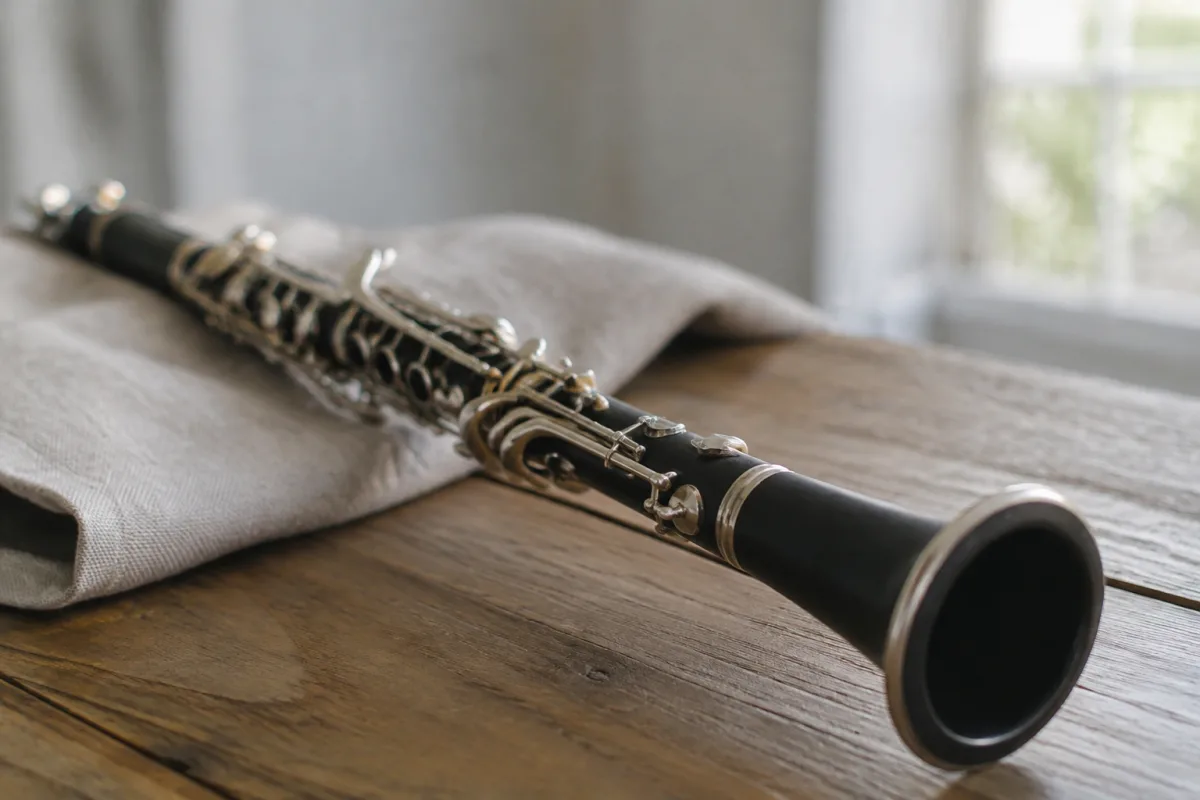
The Yamaha A clarinet is a distinguished choice amongst ensemble clarinettists, offering distinctive tone, intonation and versatility that make it particularly valuable in orchestral and chamber music settings. As an A-flat instrument (one semitone higher than the standard B-flat clarinet), the Yamaha A clarinet occupies a unique position in the clarinet family, and understanding its characteristics, capabilities and role in ensemble performance helps you decide whether it's the right instrument for your musical journey.
What Is a Yamaha A Clarinet?
The Yamaha A clarinet is a transposing instrument pitched in A-flat, meaning it sounds one semitone higher than a B-flat clarinet when both are fingered identically. Yamaha's A clarinet range includes several models, from student-grade to professional instruments, each engineered to deliver the characteristic warmth and projection that Yamaha clarinets are known for. The A clarinet is not a versatile everyday instrument like the B-flat; rather, it serves a specific purpose: playing A-clarinet parts in orchestral and ensemble contexts where composers have deliberately written for its particular tonal colour and range.
Yamaha's approach to clarinet design emphasises stability, consistency and accessibility for players at all levels. Their A clarinets reflect decades of research into bore geometry, tone-hole placement and keywork design. Even entry-level Yamaha A clarinets maintain respectable intonation and are capable of producing a pleasing tone, making them sensible choices for school and amateur orchestras introducing A clarinet parts.
The Role of the A Clarinet in Orchestral Music
The A clarinet exists primarily because of its use in orchestral music. Composers, particularly from the Romantic era onwards, have written pieces specifically for A clarinet, and in many orchestral scores, the third clarinet part is designated for an A instrument. The practical reason is straightforward: an A clarinet can reach higher notes more comfortably than a B-flat clarinet in certain key signatures. Additionally, the A clarinet's slightly smaller bore and narrower bore shape produce a brighter, more incisive sound that cuts through in ensemble, making it ideal for exposé passages where a solo line sits above the main orchestral texture.
Classical and Romantic composers like Mozart, Beethoven and Brahms frequently wrote for the A clarinet, and their works remain core to the orchestral repertoire. This historical context explains why every school orchestra and most professional ensembles maintain at least one A clarinet. Learning the A clarinet as your second or third instrument is a standard expectation for serious clarinettists pursuing ensemble performance.
Yamaha A Clarinet Models and Specifications
Yamaha offers a range of A clarinets across different price points and performance tiers. Student models like the Yamaha YCL-8310 A clarinet deliver solid fundamentals: reasonable intonation, durable keywork and accessible tone production, making them suitable for developing musicians who are adding the A to their repertoire. Intermediate and professional models feature more refined bore geometry, precision keywork and superior materials that yield better response, richer tone and enhanced expressiveness across the entire range.
All Yamaha A clarinets share common traits: a straightforward, reliable keywork that responds well to individual technical approaches, consistent intonation across registers, and a tone that, whilst brighter than a B-flat clarinet, retains warmth and clarity. Yamaha instruments rarely exhibit the buzzing or resistance that can plague lesser-quality A clarinets, contributing to their reputation amongst professional orchestras and conservatoires.
Sound Characteristics and Tone
The Yamaha A clarinet produces a noticeably different tone than the B-flat. Because of its higher pitch and slightly different bore proportions, the A clarinet sounds brighter, more focused and more penetrating. This isn't a deficiency; it's precisely why composers choose the A clarinet. In an orchestral texture where the first and second violins occupy the bright, high register, an A clarinet line can be heard distinctly without sounding thin or pinched. The Yamaha brand's design philosophy emphasises a full, resonant tone even in the higher register, avoiding the shrillness that can afflict cheaper A clarinets.
Professional-grade Yamaha A clarinets offer greater dynamic range and tonal flexibility than student models. A skilled player can coax warmth and softness or brilliant clarity from the same phrase by adjusting embouchure, air support and voicing. This responsiveness is particularly important in chamber music and solo passages, where the A clarinet takes centre stage.
Intonation and Playability
Intonation—the accuracy of pitch across the range—is critical for any orchestral instrument. Yamaha A clarinets are respected for their consistent, reliable intonation from low to high notes. The engineering of the bore and tone holes aims for evenness, reducing the sharp notes in the upper register that plague some competitors. Most players find a quality Yamaha A clarinet responds well to standard fingerings without excessive embouchure adjustments or alternative fingerings.
Playability also encompasses how the keywork responds. Yamaha's keywork is precise but forgiving; it doesn't demand the absolute technical perfection of the very finest handmade clarinets, yet it responds beautifully to good technique. This balance makes Yamaha A clarinets sensible choices for developing musicians transitioning from B-flat to the A, as well as for experienced players who value reliability in performance.
Who Should Choose a Yamaha A Clarinet?
A Yamaha A clarinet is ideal for clarinettists who participate regularly in orchestral or chamber ensembles that programme Classical and Romantic repertoire. If you're a school musician, a member of an amateur or semi-professional orchestra, or a student at a conservatoire, owning or having access to an A clarinet is essential. For solo performance, the A clarinet is rarely the primary choice, though some contemporary and chamber works do feature A clarinet solos.
If you're a B-flat player who's confident on your main instrument and ready to expand your ensemble credentials, a Yamaha A clarinet is a logical, reliable investment. It's also a sensible choice if you're building a section together: many orchestras have found that equipping third chairs with consistent, student-friendly A clarinets reduces the learning curve and ensemble intonation problems.
Maintenance and Care
A Yamaha A clarinet, like any wooden clarinet, requires proper maintenance. After each use, swab the bore with a soft cloth mop to remove moisture and prevent internal swelling or mould. Once a week, leave the clarinet disassembled for several hours to air-dry thoroughly. Avoid sudden temperature or humidity changes, which cause wood to warp and crack. Store it in a hard protective case in a climate-controlled environment, away from direct sunlight and heat sources.
Regulation (adjusting the keywork so that pads seal perfectly and keys close simultaneously) is essential for consistent performance. A qualified technician should service your clarinet annually, or more frequently if you play several hours daily. Yamaha clarinets hold their value well, and professional servicing ensures they remain reliable and playable for years.
Conclusion
The Yamaha A clarinet is a practical, reliable and musically satisfying choice for orchestral clarinettists. Its bright, focused tone cuts through ensemble texture, its intonation is consistent and forgiving, and its keywork is responsive without demanding absolute perfection. Whether you're a school musician adding the A to your ensemble duties or an experienced player seeking a second professional A clarinet, Yamaha offers options at multiple price points that deliver solid performance and durability. The A clarinet may be a specialised instrument, but for anyone seriously engaged in orchestral or chamber music, it's an indispensable part of the clarinettist's toolkit.



Comments