
Rg Series article
The Complete Guide to Rg Series
The Ibanez RG series revolutionised electric guitar design. Discover why this iconic instrument dominates professional and amateur playing worldwide.
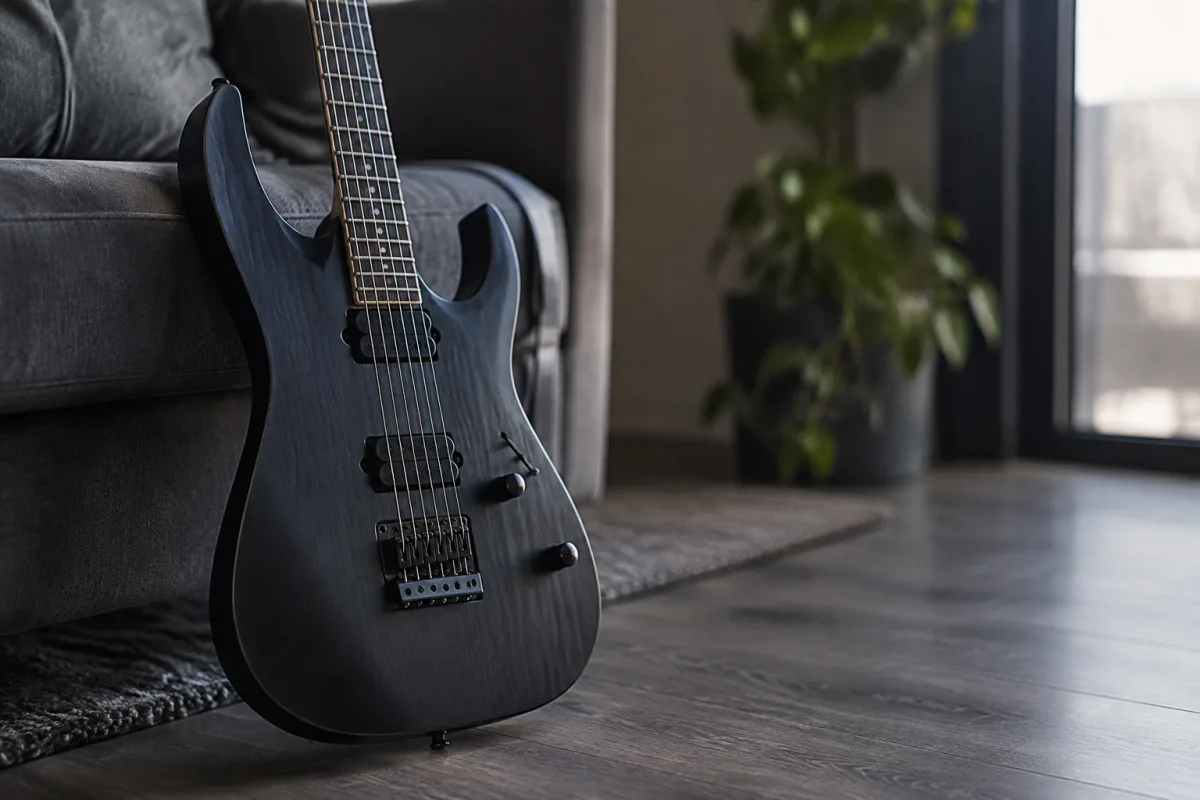
Since its introduction in 1987, the Ibanez RG series has defined modern electric guitar design. Favoured by metal, rock, and progressive musicians worldwide, these instruments represent decades of refinement and player feedback. Whether you're a shredder seeking a high-performance machine or simply curious about one of the industry's most influential guitar designs, understanding what makes this series special will help you appreciate its legacy.
Revolutionary Design and Ergonomics
When Ibanez introduced this iconic model, it fundamentally changed how electric guitars were designed. The thin, lightweight body reduced fatigue during extended playing sessions, whilst the fast, comfortable neck profile enabled rapid lead work. The sharply cutaway body horn provided exceptional access to higher frets — something increasingly important as lead playing became more virtuosic.
The innovation wasn't merely aesthetic. Ergonomic considerations informed every element: body thickness, arm contour, and neck profile all worked together to create an instrument that felt natural in the player's hands. This attention to player comfort set a new standard that competitors are still following today.
Neck and Fretboard Specifications
| Specification | Characteristics | Impact on Playing |
|---|---|---|
| Neck Width | 43mm at nut; consistent spacing between strings | Enables precise finger placement and rapid string changes |
| Neck Profile | Super thin modern C shape; varies by model | Reduces hand fatigue; enables fast traversal across fretboard |
| Fretboard Radius | Compound or modern flat radius (16 inches+) | Flat radius supports smooth bending; comfortable chord work |
| Frets | Jumbo frets; premium materials | Reduces finger pressure needed; smooth bending and vibrato |
The fretboard specifications deserve particular attention. The combination of flat radius, wide fret crown, and thin neck makes this guitar particularly responsive to nuanced playing techniques like vibrato, string bending, and tapping.
Tonal Versatility Across Model Variations
The series encompasses numerous variations, each with distinct tonal characteristics. Entry-level models feature standard hardware and pickups optimised for clean tones and moderate distortion. Mid-range versions introduce upgraded bridge systems and refined pickup designs. Premium models showcase premium components including high-end pickups, premium wood selections, and meticulous craftsmanship.
This diversity means different models suit different musical genres and budgetary requirements. Whether you need a punchy, articulate sound for rock or the extended sustain favoured in metal, there's an appropriate version within the extensive lineup.
Bridge Technology and Hardware
The bridge design is fundamental to the playing experience. Modern versions feature improved bridge systems offering enhanced tuning stability, smooth tremolo operation, and reliable intonation across the full range. The precision engineering ensures that even aggressive playing styles won't compromise tuning stability.
Hardware quality has evolved significantly since the original design. Contemporary models feature locking tuners, precision-engineered bridges, and premium components that justify their price point whilst delivering professional-grade reliability.
Pickup Options and Tonal Character
Stock pickups vary considerably across the range. Entry-level instruments feature capable pickups suitable for learning and practice. Professional models specify premium aftermarket pickups from respected manufacturers, providing versatility across gain settings and musical styles.
Many players upgrade pickups independently to achieve specific tonal goals. The thin body and efficient hardware respond well to pickup modifications, making pickups upgrades a popular customisation option.
Why This Series Dominates Professional Settings
Professional adoption across metal, rock, and progressive scenes speaks to the design's fundamental soundness. The instrument's reliability, player-friendly ergonomics, and capable tonal range make it suitable for touring, studio work, and demanding live performance. Session musicians favour the consistency and responsiveness, knowing the instrument will perform reliably night after night.
Tournament-grade precision in manufacturing ensures that even entry-level models maintain quality standards expected of premium instruments. This consistency builds player confidence and contributes to the series' enduring popularity.
Investment Value and Longevity
These instruments hold their value remarkably well in the secondary market. Players recognise quality construction and timeless design, making used models sought-after purchases. With proper care and maintenance, these guitars remain playable and tonally vibrant for decades.
Whether you choose an entry-level model for learning or invest in a premium version for professional work, these instruments deliver exceptional value. The combination of ergonomic excellence, tonal versatility, and lasting durability make this series a worthwhile addition to any guitarist's collection, whether you're beginning your musical journey or commanding a stage as a professional performer.


Comments