


Rackmount Audio Mixer article
The Complete Guide to Rackmount Audio Mixer
Rackmount audio mixers provide professional signal routing in compact 19-inch rack format. Essential for live venues, studios and broadcast facilities.
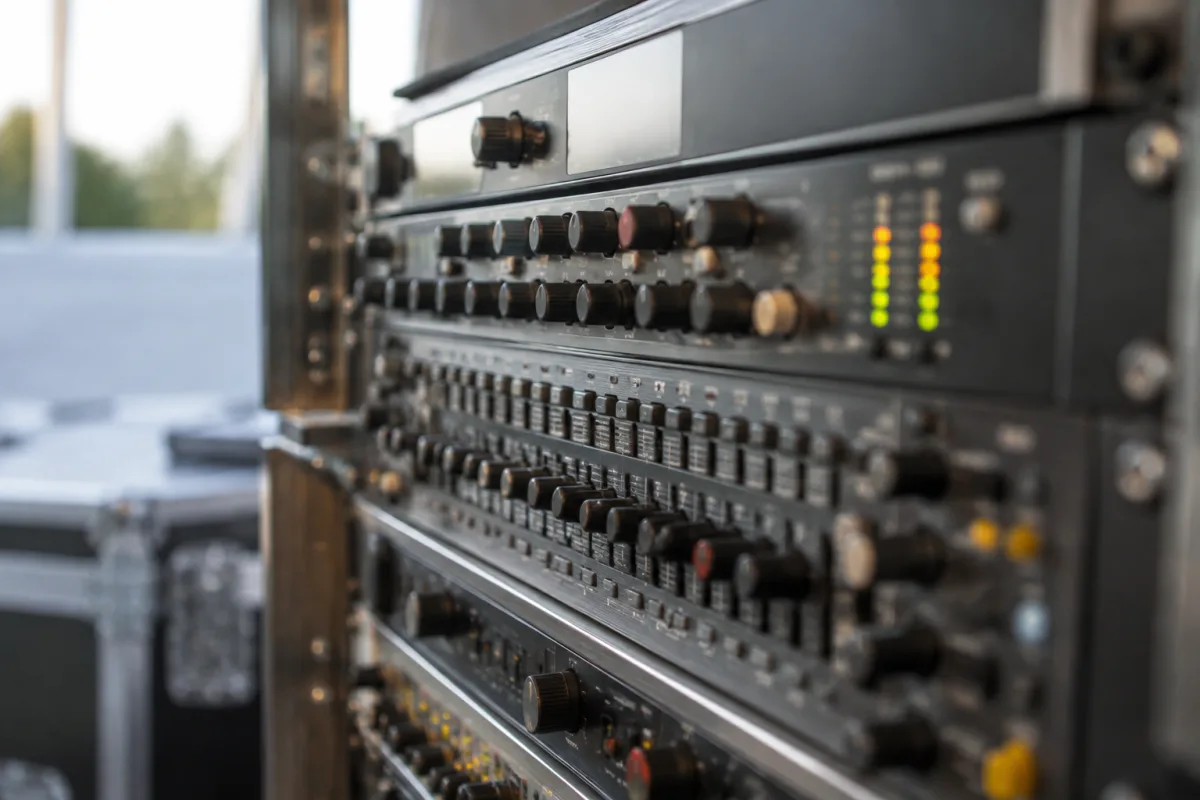
A rackmount audio mixer provides professional signal routing and mixing capabilities in a compact, industry-standard format. Whether you’re setting up a live sound system, recording studio or broadcast facility, understanding these professional devices is essential for building reliable audio infrastructure. This guide explores the features, applications and considerations for rackmount audio mixer selection.
Understanding the Design
Rackmount audio mixer systems follow the 19-inch standard established by the broadcasting and professional audio industries. This universal format allows seamless integration with other equipment whilst maintaining consistent power delivery and cooling. These units typically occupy one to four rack units of vertical space, depending on channel count and feature complexity.
The compact form factor makes rackmount audio mixers ideal for permanent installations, touring rigs and space-constrained facilities. Professional venues, recording studios and broadcast centres rely on this design for durability, reliability and professional capabilities.
Core Features
Essential functions in any rackmount audio mixer include:
- Input channels – typically 4 to 32+ channels with individual gain control
- Mixing bus architecture – stereo master bus with optional subgroup routing
- Equalization – usually 3-band EQ per channel for tonal shaping
- Fader control – precise level control and muting capabilities
- Built-in effects – reverb, delay and dynamic processing on many modern units
- Balanced I/O – XLR and quarter-inch connections for professional standards
Understanding these components helps determine whether a rackmount audio mixer suits your specific application and workflow requirements.
Professional Applications
Professional venues and touring bands rely on these devices for consistent, reliable performance. Live sound engineers appreciate the tactile interface and real-time control that rackmount systems provide. Recording studios often integrate these units into their signal chains for summing, mixing and monitoring purposes.
Broadcast facilities depend heavily on rackmount audio mixer technology for managing complex audio signals from multiple sources. The professional build quality and redundant connectivity options ensure uninterrupted service in mission-critical environments.
Comparing Rackmount Audio Mixer Types
Powered units include integrated amplification, eliminating the need for separate power amplifiers. Passive models require external amplifiers but offer flexibility and potentially superior sound quality in certain applications. Digital rackmount systems provide advanced routing, recall capabilities and remote control via network connectivity.
Fixed-format designs typically include 8 to 24 channels, whilst modular systems allow customising configurations. Selecting the right rackmount audio mixer type depends on your specific mixing tasks, budget constraints and integration requirements.
Installation and Integration Considerations
Proper installation requires adequate space, cooling and power distribution. Most professional facilities house these devices in equipment racks with dedicated AC power and ventilation. Cable management becomes critical; professional setups often employ comprehensive labelling and organisation systems.
Quality units should integrate seamlessly with existing equipment via standard professional connectors. Ensure proper impedance matching, signal flow and grounding practices to minimise noise and maximise audio quality throughout your rackmount audio mixer installation.
Maintenance and Reliability
Professional equipment typically features robust construction suitable for heavy use in demanding environments. Regular maintenance including cleaning, connector inspection and firmware updates ensures reliable operation. Most manufacturers provide technical support and replacement parts for long-term viability.
Investing in quality rackmount audio mixers pays dividends through improved durability and reduced downtime. Professional-grade construction standards ensure consistent performance year after year.
Selecting Your System
Choosing the right equipment requires evaluating channel requirements, I/O format needs, processing capabilities and budget constraints. Whether you need a simple stereo summing device or a complex mixing hub, selecting an appropriate rackmount audio mixer ensures your system scales with your needs.
These professional devices represent a significant investment in audio infrastructure. Whether for live sound, recording, broadcast or installation work, a quality rackmount audio mixer merits careful evaluation and consideration of your specific mixing requirements and operational context.


Comments