
Mic for Music Studio article
The Complete Guide to Mic For Music Studio
A quality mic for music studio recording captures vocal and instrument nuance that defines professional productions. This guide covers types and how to choose.
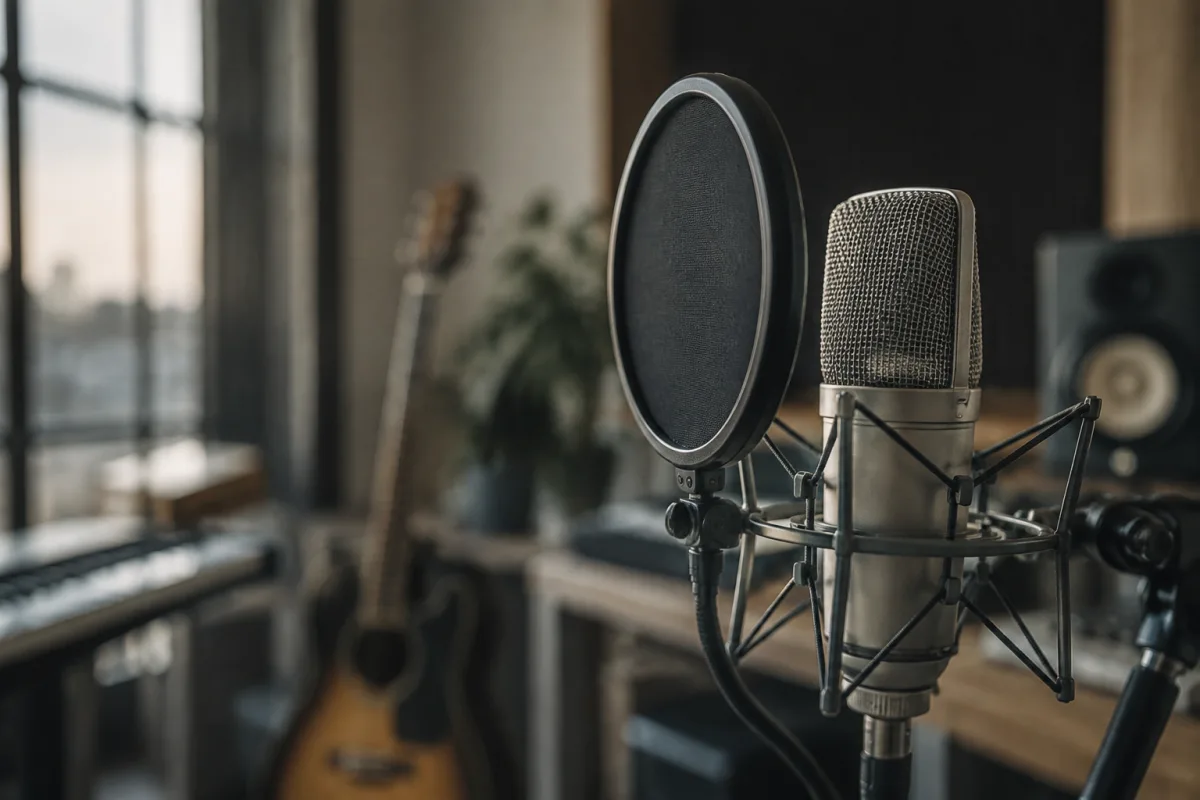
A quality mic for music studio recording is fundamental to professional-sounding recordings. The microphone you choose directly determines vocal quality, instrument capture and overall production value. Whether you're recording vocals, acoustic instruments or podcasts, selecting the right mic for music studio work affects every subsequent production step. This guide explores microphone types, key specifications and how to choose the perfect mic for your studio needs.
Why Microphone Choice Matters in Music Studio Recording
The best recording chain begins with quality capture. A poor mic for music studio recording produces thin, noisy or unnatural audio that no amount of mixing can salvage. Conversely, a quality mic for music studio work captures nuance, tone and character that makes recordings sound professional and engaging.
Microphones vary dramatically. Different designs suit different sound sources and recording situations. Understanding mic types, pickup patterns and frequency responses helps you match the right mic for music studio projects to your recording goals.
Types of Microphones for Music Studio Recording
Large Diaphragm Condensers
Large diaphragm condenser mics dominate vocal recording in music studios. The expansive 1-inch+ diaphragm captures detailed vocal nuance and presence. These mics are sensitive, requiring phantom power and careful handling. A quality large diaphragm condenser remains the go-to mic for music studio vocal recording worldwide. Expect to invest £200–£3000 for professional models.
Small Diaphragm Condensers
Small diaphragm mics mount overhead for drum recording or instrument capture. These durable, portable mics suit location recording and challenging environments. Small diaphragm condensers work excellently as mic for music studio acoustic guitar and drum overhead recording. Price ranges from £100–£1500.
Dynamic Microphones
Dynamic mics excel at loud sources: drums, bass amplifiers and screamed vocals. These rugged instruments withstand abuse and work well in noisy environments. As mic for music studio kick drum and snare recording, dynamics are industry standard. Quality dynamic mics cost £50–£800.
Ribbon Microphones
Ribbon mics offer warm, vintage character prized for vocals and instruments. These delicate instruments require careful handling and protective shockmounts. As a mic for music studio strings and jazz vocals, ribbon mics deliver unmistakable colour. Expect £300–£5000.
USB Microphones
USB mics connect directly to computers without audio interfaces. Budget-friendly and convenient, USB mics serve bedroom producers and podcasters. However, quality limitations make them unsuitable as primary mic for music studio professional projects. Price range: £30–£300.
Choosing the Right Mic for Music Studio Applications
Your choice of mic for music studio recording depends on several factors. Consider what you're recording: vocals demand large diaphragm condensers; drums need dynamics; strings sound beautiful through ribbons. Budget determines quality ceiling; professional studios justify £1000+ mics, while beginners benefit from £200–£500 investments.
Recording environment affects mic selection. Untreated rooms favour tight-pattern mics; treated spaces allow omnidirectional capture. Your audio interface determines connectivity options. Most professional studios use XLR connections; USB offers convenience for mobile setups.
Essential Microphone Specifications
| Specification | What It Means | Music Studio Importance |
|---|---|---|
| Polar Pattern | Directional sensitivity; cardioid, omnidirectional, etc. | Cardioid rejects room sound; omnidirectional captures ambience |
| Sensitivity (dBV/Pa) | Output level for given input sound pressure | Higher sensitivity demands less preamp gain; lower noise floor |
| Frequency Response | Range of frequencies the mic captures | 20Hz–20kHz standard; mics emphasise presence peaks |
| Signal-to-Noise Ratio | Difference between signal and electronic noise | Higher ratios produce cleaner recordings |
| Maximum SPL | Loudest sound the mic handles | Drum mics need 130dB+ SPL handling |
Setting Up Your Mic for Music Studio Recording
Proper setup maximises mic performance. Mount your mic for music studio recording on a robust mic stand with a shockmount isolation system. Position the mic 6–12 inches from your mouth for vocal recording, adjusting distance to control proximity effect (bass boost from close-range placement).
Use a pop filter to prevent plosive sounds damaging vocal recordings. Connect your mic for music studio work to an audio interface via balanced XLR cables. Apply phantom power if using condenser microphones. Test levels, positioning and room acoustics before recording takes.
Popular Mic for Music Studio Choices
Entry-level studios often start with a Neumann U87, Audio Technica AT4040 or Rode Procaster. These proven mics for music studio work offer excellent value and professional results. As budgets grow, Shure KSM9, Telefunken ELA M 251 or Neumann U47 deliver exceptional quality. Each mic for music studio recording suits different recording styles and budgets.
Maintenance for Your Studio Mic
Protect your investment by cleaning your mic for music studio work regularly with a soft cloth. Store in a case away from dust and humidity. Inspect cables monthly for damage. Replace pop filter elements as they accumulate saliva and debris.
Conclusion
Selecting the right mic for music studio recording is one of your most important equipment decisions. Whether recording vocals, instruments or spoken word, a quality microphone captures nuance and character. Start with a versatile large diaphragm condenser as your primary mic for music studio vocal recording, then expand your collection as needs grow. Quality mics pay dividends throughout your production career through cleaner recordings and reduced editing requirements.


Comments