


80s Pop Bands List article
The Complete Guide to 80S Pop Bands List
The 1980s produced pop music's most enduring acts, creating a diverse landscape from electronic innovation to new wave sophistication to arena rock excellence.
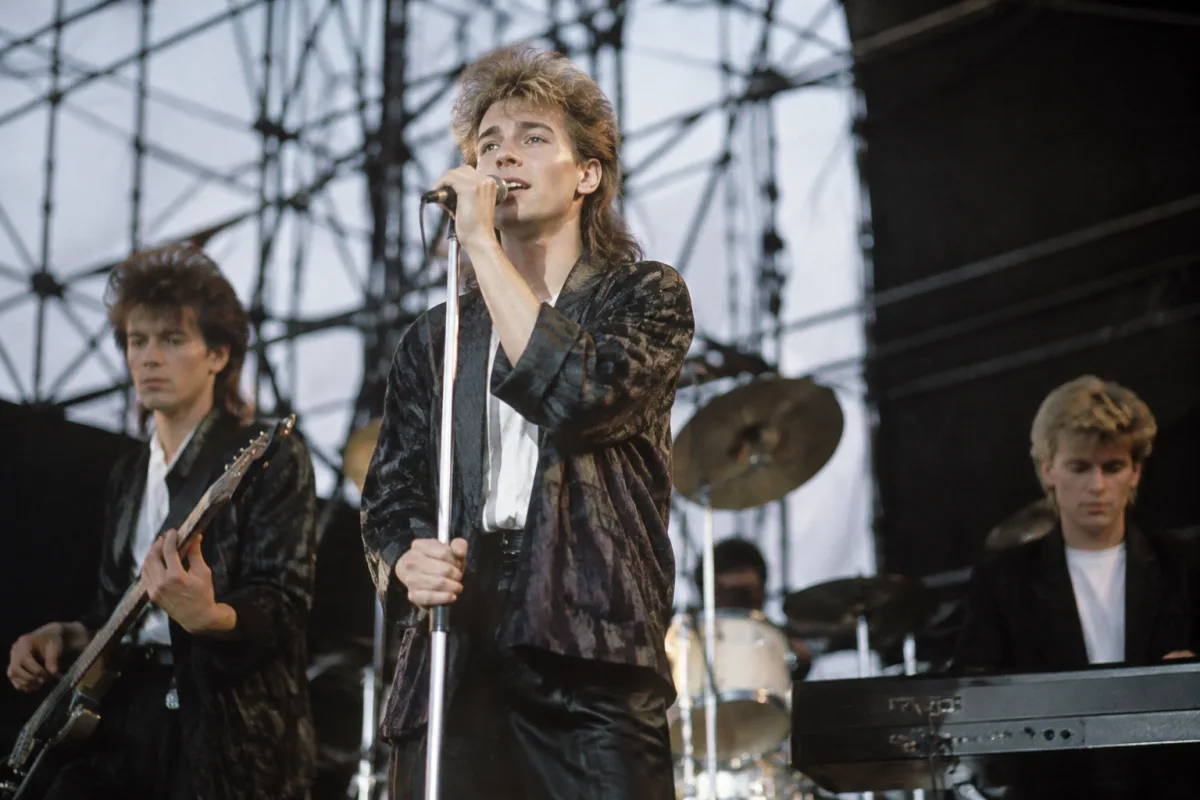
80s Pop Bands: The Decade That Defined Popular Music
The 1980s produced some of popular music's most enduring acts, creating a pantheon of bands whose influence extends across subsequent decades. This era witnessed pop music's transformation into a vast, varied landscape—from new wave experimentation to synthesiser-driven pop perfection to arena rock spectacle. Whether exploring infectious melodies, innovative production techniques or dynamic performances, the greatest 80s pop bands continue captivating audiences, influencing contemporary musicians and defining an entire generation's musical identity. Understanding these acts means understanding modern popular music's foundation.
The Rise of Synthesiser-Driven Pop
The 1980s witnessed electronic instruments revolutionising popular music. Depeche Mode emerged as masters of dark, brooding electronic pop, crafting atmospheric soundscapes enhanced by Dave Gahan's distinctive vocals. Duran Duran synthesised new wave sophistication with pop accessibility, creating some of the decade's most memorable melodies alongside innovative music videos. Eurythmics, the iconic duo of Annie Lennox and Dave Stewart, blended electronic production with soul-influenced vocals, producing timeless classics that transcended genre boundaries.
Human League represented electronic experimentation at its most commercially successful, with "Don't You Want Me" becoming one of the decade's defining moments. Kraftwerk's influence permeated the decade, with their synthetic sound aesthetic becoming almost ubiquitous in electronic pop. The synthesiser transformed from experimental novelty to essential pop instrument during these years, enabling producers to craft complex arrangements previously requiring full orchestras.
New Wave Innovation and Accessibility
New wave bands brought punk's rebellious energy together with pop's melodic sensibilities, creating a unique sound that dominated 1980s radio. Talking Heads, led by David Byrne's eccentric artistry, created intellectually challenging yet deeply groovy music that appealed to both critics and radio audiences. Blondie, fronted by Debbie Harry's commanding presence, delivered infectious pop hooks whilst maintaining artistic credibility.
The Cars combined 1950s-inspired melodies with synthesiser sophistication, crafting pristine pop productions that emphasised compositional excellence. Sting, both as Police frontman and solo artist, brought jazz-influenced sophistication to pop contexts, elevating the genre's harmonic complexity. These artists demonstrated that pop music could be intelligent, experimental and commercially successful simultaneously.
Arena Rock Crossover Appeal
Queen achieved remarkable crossover success, blending rock theatricality with pop accessibility. Freddie Mercury's incomparable vocals and the band's compositional brilliance created iconic anthems—"Another One Bites the Dust," "Radio Ga Ga," "Under Pressure"—that defined the decade. Their willingness to experiment across musical styles whilst maintaining pop sensibility set them apart from pure rock acts.
Michael Jackson, though often considered a solo artist, built his 1980s dominance through collaborations and pop-oriented approach. "Thriller" remains popular music's best-selling album, representing the decade's production pinnacle and visual sophistication. Jackson's influence on pop, dance music and music video aesthetics remains profound, with his innovations still referenced today.
British Invasion II: The New Generation
British bands dominated 1980s pop charts with remarkable consistency. The Cure created atmospheric gothic pop that attracted both mainstream audiences and underground devotees. Culture Club, fronted by Boy George's androgynous charisma, brought reggae influences to pop contexts, demonstrating pop's willingness to absorb diverse musical traditions. Thompson Twins produced some of the decade's most innovative electronic pop, with their visual presentation and sonic experimentation influencing the entire electronic pop landscape.
Wham!, despite their brief lifespan, created unforgettable pop moments through George Michael's distinctive vocals and pop sensibility. Tears for Fears combined synthesiser-based production with deeply emotional lyrical content, creating albums like "Songs from the Big Chair" that balanced commercial accessibility with artistic integrity.
Diverse Genre Representation
Prince stood apart as a genre-defying artist whose music incorporated funk, rock, soul and pop elements. His instrumental proficiency and prolific output made him one of the decade's most influential artists, with albums like "Purple Rain" demonstrating that pop music could contain genuine rock credentials. David Bowie continued reinvention throughout the decade, proving that artistry and commercial success need not be mutually exclusive.
Madonna emerged as the decade's defining pop icon, combining dance production with pop songwriting and provocative visual presentation. Her willingness to evolve aesthetically whilst maintaining commercial appeal established the template for pop superstardom. Peter Frampton represented another strand of pop sensibility—sophisticated adult contemporary pop featuring polished production and accessible songwriting.
MTV and Music Video Revolution
The 1980s witnessed music video's transformation into essential pop currency. Bands like Duran Duran and Culture Club understood that visual presentation matched musical innovation's importance. MTV, launching in 1981, fundamentally changed how pop music succeeded commercially. Acts thriving during this period often possessed strong visual aesthetics alongside musical talent. This convergence of music and visual media shaped the decade's pop landscape permanently.
Lasting Legacy and Contemporary Influence
80s pop bands established templates that contemporary artists continue employing. The era's emphasis on production quality, synthesiser instrumentation and visual presentation influenced subsequent pop movements. Many contemporary artists cite 1980s influences—both sonically and aesthetically—demonstrating the decade's enduring impact on popular music.
The 1980s also established pop's current emphasis on individual star personas. Artists like Madonna and Prince demonstrated that successful pop acts combined musical excellence with distinctive personal brands. This model persists in contemporary pop, where artists' visual presentation and personal mythology matter alongside musical output.
Exploring 80s Pop: Essential Starting Points
Discovering 80s pop bands can occur through numerous entry points. Chronological exploration reveals how the decade evolved sonically from early-1980s new wave experimentation through the synthesiser-dominated mid-decade to late-1980s refinement. Thematic exploration—following synthesiser-pop, new wave or arena rock strands—offers focused listening journeys. Artist-focused deep dives reveal individual acts' evolution and influence across the decade.
The 1980s produced popular music of remarkable variety and quality. Whether seeking infectious melodies, innovative production, visual spectacle or artistic integrity, exploring the era's bands offers genuine rewards. The decade's influence on contemporary music ensures that discovering 80s pop acts feels contemporary and relevant, not merely historical.


Comments