


Wireless Mic Converter Buying guide
Wireless Mic Converter: A Complete Buyer's Guide
Comprehensive buyer's guide to wireless mic converters, covering transmission technology, frequency bands, audio quality evaluation, and purchasing considerations.
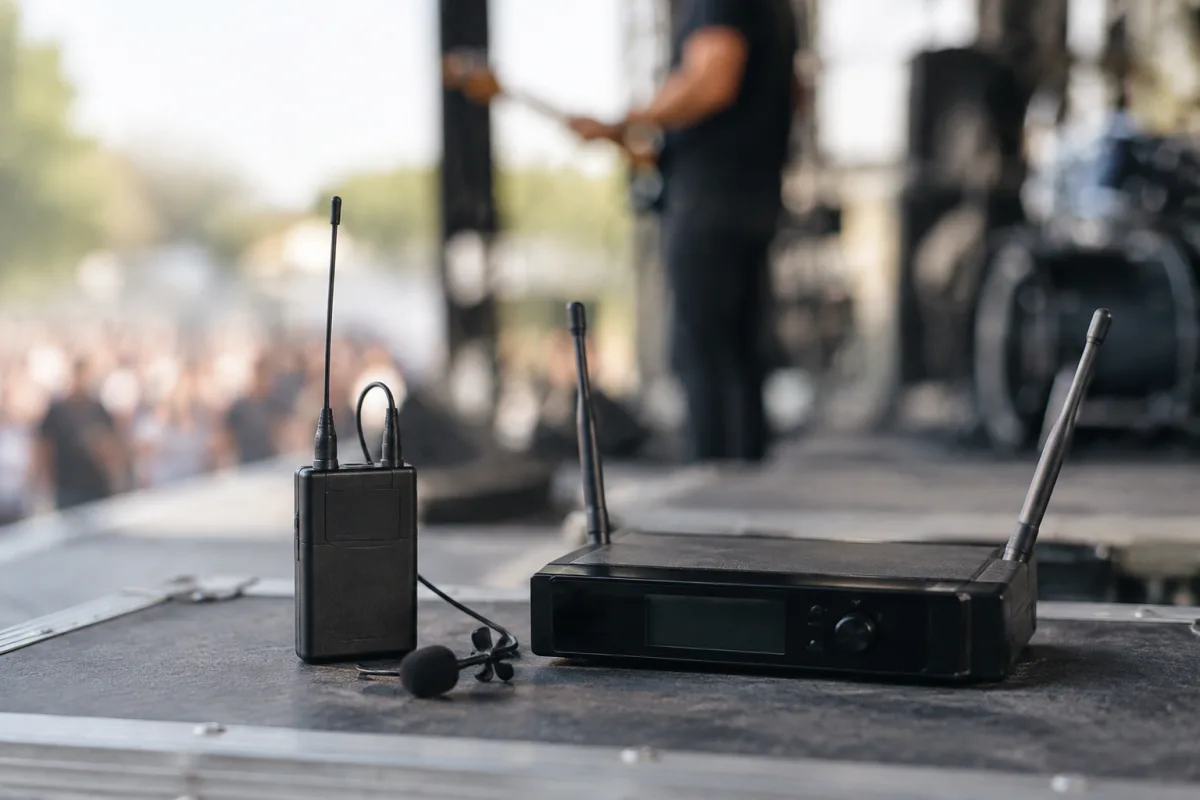
Selecting the right wireless mic converter is essential for live performers, recording engineers, and venue operators seeking to eliminate microphone cable constraints without sacrificing audio quality. A wireless mic converter transforms wired microphones into wireless systems, enabling performers freedom of movement whilst maintaining professional signal integrity. Understanding frequency bands, connectivity standards, interference rejection capabilities, and compatibility ensures you purchase a converter meeting your specific performance requirements.
Understanding Wireless Mic Converters and Their Purpose
A wireless mic converter is an electronic device accepting microphone-level audio signals (typically via XLR or 3.5mm inputs) and transmitting those signals wirelessly to a receiver. Unlike integrated wireless microphone systems (where transmitter and microphone are unified), converters allow pairing any quality wired microphone with wireless capability. This flexibility appeals to professionals already owning quality microphones who prefer using proven equipment without purchasing entirely new wireless systems.
Wireless mic converters vary significantly in price and capability. Budget-friendly models (£50-£200) suit casual performers and small venues. Professional-grade converters (£300-£800) deliver touring-quality reliability and extensive features. High-end systems (£1,000+) offer enterprise-level security, extended range, and exceptional interference rejection. Selecting your price tier based on intended usage and quality requirements proves essential.
Key Specifications to Evaluate
Frequency Bands and Interference Potential
Wireless mic converters operate across various frequency bands: UHF (ultra high frequency), digital 2.4GHz, or licensed frequencies. UHF systems offer proven reliability and extensive frequency options minimising interference. Digital 2.4GHz systems require simpler setup and often cost less but face interference from WiFi and Bluetooth devices. Licensed frequency systems provide exclusive access but require regulatory approval and recurring fees. Evaluate your venue environment—studios with minimal RF interference may operate effectively on 2.4GHz, whilst live venues benefit from dedicated UHF bands.
Receiver Type and Display
Receivers vary from simple plug-and-play units with minimal controls to sophisticated models featuring multifrequency switching, antenna diversity, and detailed signal monitoring. Entry-level receivers sacrifice features for affordability and simplicity. Professional models provide extensive diagnostics ensuring optimal signal strength throughout performances. Assess whether simple operation suits your needs or whether advanced monitoring and control capabilities justify premium pricing.
Audio Input and Output Specifications
Verify the converter accepts your microphone's output impedance and signal level. XLR inputs are industry standard; some models include 3.5mm inputs for consumer microphones. Output connections (typically XLR) should integrate cleanly with your mixing console. Gain adjustment capabilities allow optimising levels for various microphone types. Check impedance matching specifications ensuring transparent audio transmission without level losses.
Transmission Range and Battery Considerations
Advertised wireless range (typically 30-100 metres) depends heavily on environmental factors. Concrete walls, metal structures, and electronic devices reduce effective range significantly. Real-world testing in your specific venue proves essential—don't rely solely on manufacturer specifications. Battery life varies from 4-12 hours depending on model and usage patterns. Verify whether you need multiple battery sets supporting extended performances or recording sessions. Rechargeable batteries provide convenience; disposable batteries offer reliability through extended use without charging requirements.
Evaluating Audio Quality and Signal Fidelity
Before purchasing a wireless mic converter, audition extensively:
- Frequency response: Play voice and instrument through the wireless system comparing to direct wired connection. Frequency response should closely match wired audio without noticeable colouration or presence peaks.
- Dynamic range: Test from very soft to loud passages assessing whether the system handles dynamic range accurately. Compression artifacts or low-level noise floor indicate quality concerns.
- Latency: Monitor latency (time delay between transmission and reception). Some systems introduce noticeable delay problematic for live performance monitoring or recording punch-in timing.
- Dropout immunity: Test in typical performance spaces verifying signal dropouts don't occur during extended performances. Walk around typical venue dimensions assessing consistency.
- Interference rejection: Evaluate system performance in RF-heavy environments (near WiFi routers, cellular towers, other wireless systems). Better systems maintain consistent performance; budget systems may experience dropouts.
Common Purchasing Mistakes to Avoid
Buyers frequently overlook critical considerations when selecting wireless mic converters:
Prioritising price over interference rejection: Budget converters often lack sophisticated rejection circuits experiencing frequent dropouts in RF-rich environments. Professional-grade systems cost more but prevent costly performance failures.
Ignoring frequency coordination: Multiple wireless systems operating in the same frequency band interfere with each other. Verify your converter supports adequate frequency agility allowing channel switching or frequency diversity preventing collisions with venue wireless systems.
Neglecting battery management: Unexpected battery failures interrupt performances catastrophically. Maintain spare batteries and establish battery replacement routines before depleted batteries cause failures.
Assuming all microphones work identically: Microphone impedance and sensitivity vary significantly. A converter optimised for dynamic microphones may deliver poor results with high-impedance ribbon microphones. Verify compatibility with your specific microphone before purchasing.
Overlooking return latency issues: Some converters introduce latency affecting live monitoring, recording timing, and performer confidence. Test latency in production scenarios matching your intended usage.
Wired vs. Wireless Considerations
Wireless mic converters introduce complexity and potential failure points compared to direct wired connections. Evaluate whether wireless capability genuinely serves your performance needs or represents unnecessary complication. Some applications (studio recording, stationary venue monitoring) benefit minimally from wireless freedom. Live performances with active stage movement justify wireless investment. Make this fundamental assessment before purchasing.
Making Your Wireless Mic Converter Decision
Create a budget matching your quality requirements and intended usage frequency. Research specific models and read user reviews emphasising real-world performance in environments matching your own. Visit retailers offering hands-on demonstrations or purchase from companies providing return policies enabling real-world testing. Verify frequency coordination with your venue's existing wireless systems. For comprehensive information about wireless mic converter capabilities, model comparisons, and technical specifications, explore the complete guide to wireless mic converter.
Your wireless mic converter should enhance performances through freedom of movement without introducing reliability concerns. Trust your ears and real-world testing over specifications.


Comments