
Headset Jack Converter article
The Complete Guide to Headset Jack Converter
Mismatched connectors are common in studios and live rigs. A quality jack converter solves compatibility issues instantly. Discover passive adapters, active converters and how to choose one for your equipment.
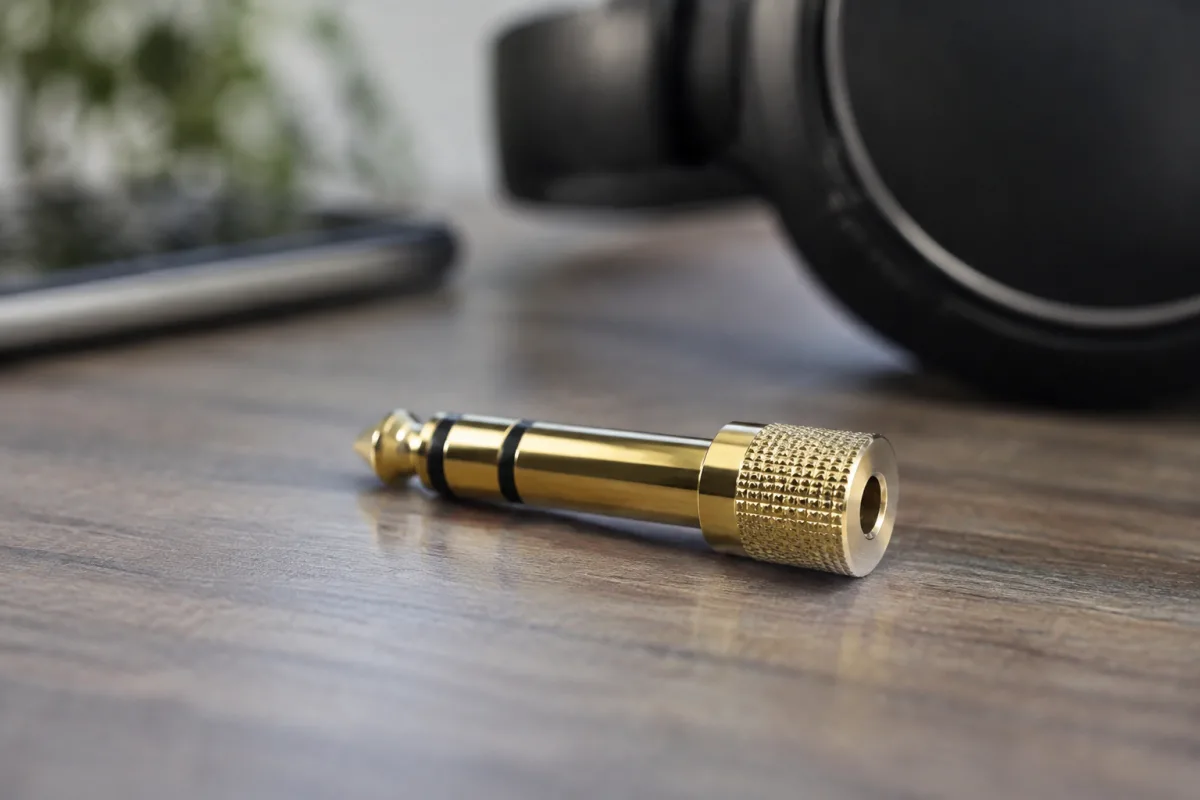
A headset jack converter solves a common studio and performance problem: mismatched connectors between your headphones and equipment. Modern equipment uses various jack types—1/4 inch, 3.5mm and USB-C—but your headphones might have a different connector. A quality headset jack converter ensures seamless compatibility without sacrificing sound quality. This guide explores jack types, converter options, and how to choose the right adapter for your setup.
Common Jack Types in Audio
Audio equipment uses several standard connector types. A 3.5mm jack (also called mini-jack) is found on most consumer headphones and portable devices. A 1/4 inch jack is standard in professional studios, stage equipment and guitar amplifiers. A 2.5mm jack appears on some legacy or portable equipment. USB-C audio connectors are emerging on modern devices. A 6.35mm jack is sometimes used in pro audio. When your headset's jack doesn't match your equipment, a headset jack converter bridges the gap.
Types of Headset Jack Converters
Passive Adapters
A passive headset jack converter is a simple mechanical adapter with no electronics. A 3.5mm-to-1/4 inch adapter costs £3–£10 and is reliable and compact. Passive converters introduce minimal signal loss in analogue audio. They're ideal for quick, occasional connections and last indefinitely if not damaged.
Active Converters and Amplifiers
Some headset jack converters include built-in amplification or signal conditioning. Active converters compensate for impedance mismatches that can cause sound degradation. They cost more (£20–£60) but deliver cleaner audio when the passive adapter's impedance mismatch would degrade sound. Active converters need power (battery or USB).
Multi-connector Hubs
A headset jack converter hub offers multiple adapters in one device—3.5mm, 1/4 inch, 2.5mm and more—letting you switch connectors without carrying separate adapters. These range from £15–£50 depending on build quality. They're convenient for studios with mixed equipment.
Impedance and Audio Quality
| Factor | Impact on Headset Jack Converter Performance |
|---|---|
| Impedance matching | Mismatched impedance causes treble loss and colour shift. Quality passive converters minimise this; active converters eliminate it. |
| Contact quality | Gold-plated connectors resist corrosion and deliver cleaner contact than bare metal or silver-plated alternatives. |
| Cable shielding | Poor shielding introduces hum and noise. Premium converters use shielded cables to reject interference. |
| Mechanical durability | Loose connectors degrade sound and fail with repeated use. Tight, precision connectors ensure reliable contact. |
Choosing a Headset Jack Converter for Your Needs
For casual use, a basic passive headset jack converter (3.5mm to 1/4 inch) is inexpensive and sufficient. For critical recording or performance, invest in a quality passive converter with gold-plated connectors, or an active converter if impedance matching is causing audible issues. If you switch between multiple jack types regularly, a converter hub is more convenient than carrying separate adapters.
Test your converter before relying on it in a gig or session. If a passive adapter causes treble loss or colour shift, an active converter may be necessary. Most issues stem from impedance mismatch and poor contact, both addressable with better hardware.
Common Studio Setups Requiring a Headset Jack Converter
Many studios need a headset jack converter to interface consumer headphones with professional outboard gear. A mixing engineer monitoring on headphones might use a 1/4 inch output from a mixer or audio interface with 3.5mm-input headphones. A guitarist recording vocals might need to connect 1/4 inch studio monitor headphones to a portable audio recorder's 3.5mm output. Session musicians often carry a universal converter to adapt quickly to unfamiliar equipment.
Maintenance and Longevity
Keep your headset jack converter clean—dust and oxidation on connectors degrade contact. Store adapters in a protective case to avoid bent pins or casing damage. Gold-plated converters resist corrosion better than bare metal. Replace a converter if connectors become loose, intermittent or noisy—a failing adapter is unreliable in critical situations.
Conclusion
A quality headset jack converter is an essential studio and performance accessory. Whether you need a basic passive adapter for occasional use or an active converter for critical monitoring, having the right converter on hand ensures seamless compatibility and reliable audio regardless of equipment combinations you encounter.


Comments