


XLR Splitter Buying guide
Xlr Splitter: A Complete Buyer's Guide
If you're expanding your studio or live sound setup, an XLR splitter is an essential investment. This buying guide walks you through key factors—specs, build quality, price tiers—to pick the right one for your needs.
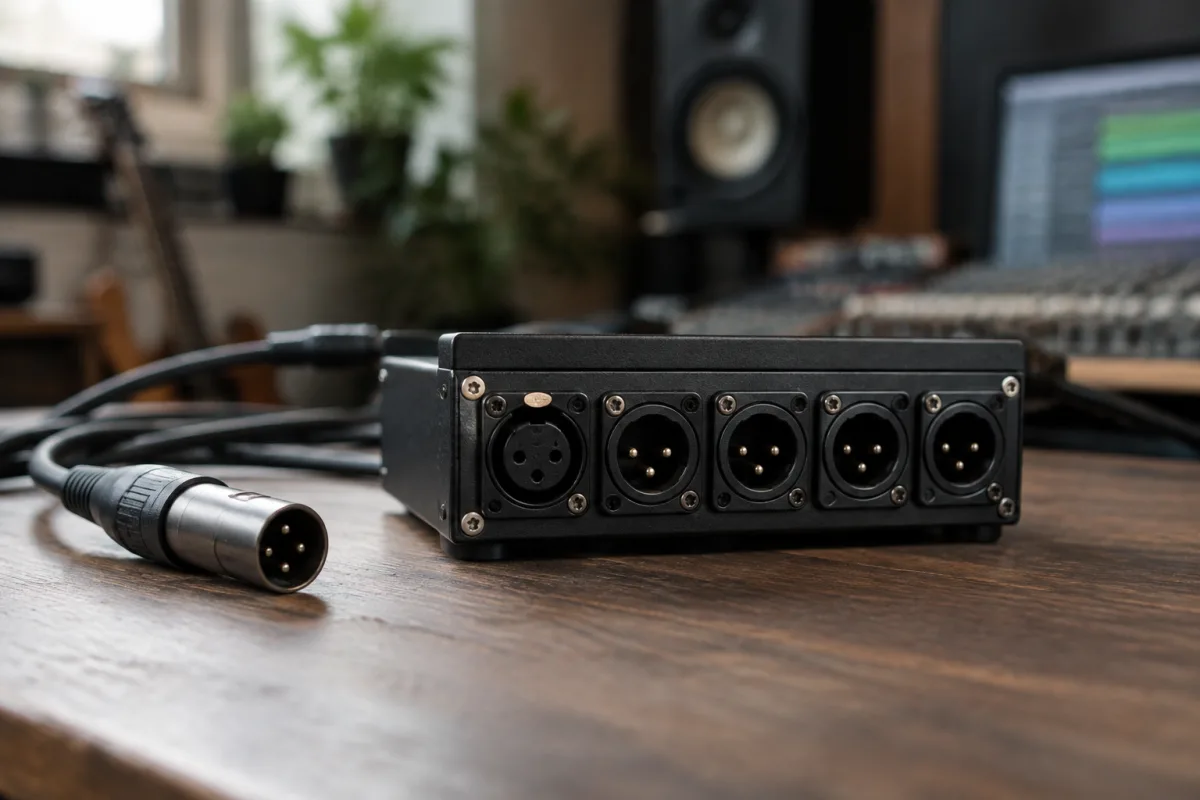
If you're expanding your studio or live sound setup, an XLR splitter is an essential investment that'll save you from cable chaos and give you flexibility when routing audio signals. But with so many options at different price points, knowing what specs actually matter can be tricky. This buying guide walks you through the key factors that'll help you pick the right XLR splitter for your specific needs—without overspending on features you don't need or compromising on build quality.
Understanding XLR Splitter Types and Configurations
An XLR splitter takes one balanced audio signal and distributes it to multiple outputs, or vice versa. When shopping for an XLR splitter, you'll encounter them in a few common configurations: 1:2 (one input to two outputs), 1:3, 1:4, and so on. The first number tells you how many inputs; the second tells you outputs. For beginners, a simple 1:2 or 1:3 splitter usually does the job, but if you're running a complex setup with multiple monitors or recording devices, you might need something with more outputs. Brand-name splitters like those from Behringer or Switchcraft tend to offer standard configurations, so plan your setup first and count exactly how many splits you actually need.
Specs That Actually Matter: Impedance and Wiring
Passive versus active is the first split you'll notice when browsing XLR splitters. Passive models are cheaper and require no power, making them portable and reliable for live gigs. However, they can introduce signal loss—typically 6dB—so if you're splitting a weak signal or running long cable runs, that matters. Active XLR splitters use built-in amplification to keep signal strength consistent, but they require phantom power or a separate power supply. For studio work with short cable runs, passive is usually fine and costs half as much. For live sound or broadcast, an active splitter is worth the extra money.
Impedance specs are where many buyers get confused. Look for models rated at 45–75 ohms if they're designed for microphone-level signals (like splitting a mic to two mixing consoles). Line-level splitters run higher impedance—sometimes 600 ohms. Mixing them up won't destroy equipment, but you'll get poor audio quality. Check your source device's output impedance, then match your splitter. Most studio XLR splitters default to microphone specs, which is the safe bet for audio gear.
Build Quality Red Flags and Longevity
Cheap XLR splitters often use basic plastic housings and low-grade connectors. If you're buying an XLR splitter for heavy touring or daily studio use, don't cut corners here. Look for metal housings or at minimum, reinforced plastic. The XLR connectors themselves should feel snug when you plug in cables—loose connectors are a common failure point. Pro-grade brands typically use gold-plated pins, which resist corrosion and improve conductivity. It's tempting to grab a budget model from a generic electronics supplier, but you'll regret it when connectors fail mid-session.
Wiring inside matters too. Cross-talk—where one channel's signal bleeds into another—happens when shielding is poor. Professional XLR splitters use properly shielded internal wiring to prevent this. If you're recording or mixing, cross-talk becomes audible. Budget brands sometimes skimp here, and you won't know until you plug it in. Reading user reviews on studio sites will often highlight these issues before you buy.
XLR Splitter Price Tiers: What You're Actually Paying For
| Price Tier | Typical Range | Passive/Active | Best For | Trade-offs |
|---|---|---|---|---|
| Budget | £15–30 | Passive | Occasional use, home studio | Plastic connectors, potential noise, limited durability |
| Mid-range | £30–70 | Passive or Active | Regular studio or live use | Solid build, good specs, limited warranty |
| Professional | £70–150+ | Active with power supply | Daily broadcast, touring, critical recording | Premium build, excellent shielding, often limited flexibility |
In the budget tier, you're getting basic functionality. Expect plastic housings and occasional signal issues, especially over long cable runs. Mid-range XLR splitters—typically from trusted brands—offer the best value for most people. They have solid metal connectors, decent internal shielding, and last for years. Professional models charge more for redundancy features, upgraded shielding, and premium internal components. Unless you're running a broadcast studio or touring band, mid-range is where your money goes furthest.
Key Features to Check Before Buying
- Phantom Power Compatibility: If buying an active splitter, confirm it can run off standard 48V phantom power from your mixer, or check whether it needs a separate PSU.
- Polarity Switching: Some models include phase reversal switches. Useful for correcting phase issues between split signals, but not essential for most setups.
- LED Indicators: On active models, signal LEDs help you troubleshoot problems quickly. A nice-to-have, not a must-have.
- Connector Type: Standard 3-pin XLR is universal. Avoid any model using proprietary connectors or adapters.
- Balanced vs. Unbalanced: Stick with balanced XLR throughout. Unbalanced conversions introduce noise over distance.
- Grounding Lift Switch: This prevents ground hum in sensitive setups. Professional models often include it; budget ones rarely do.
Common Buying Mistakes to Avoid
The biggest mistake is buying the wrong configuration. Always count your exact splits needed—don't assume you'll grow into extra outputs. A second common error is confusing microphone-level and line-level specs. Check your source before shopping. Many buyers also ignore cable quality; using cheap or worn XLR cables with a quality splitter defeats the purpose. Invest in decent cables that match your splitter's quality level.
Another pitfall is assuming all passive splitters perform identically. A £25 passive model and a £50 one from a trusted brand may differ noticeably in signal loss and cross-talk. Budget splitters sometimes use inadequate shielding, leading to hum or interference. Read reviews from other studio owners to spot these issues. Finally, don't overlook warranty. Reputable brands back their gear; if a manufacturer offers no warranty or a suspiciously short one, that's a red flag.
Where to Buy and What to Compare
Music retailers and pro audio shops like Thomann or Sweetwater offer extensive selection and reliable return policies—valuable if your first choice doesn't work in your setup. Online marketplaces are cheaper but offer less support. When you've narrowed down your choice, compare warranty terms, return periods, and customer support. Brands with established UK distribution (Switchcraft, Behringer, Neutrik) typically honour their warranties more reliably than obscure imports.
Check the product manual before buying—sometimes available online. A detailed manual suggests the manufacturer actually tested their product. Vague or missing specs are a warning sign. Also, read user reviews on studio forums and pro audio sites. Other engineers will mention issues that standard specs won't reveal.
When You Might Need a Different Solution
If you need to split a signal to more than four or five destinations, consider a mixing console with built-in splitting, or a small audio interface instead. If your splits need active amplification across very long cable runs (50+ metres), a dedicated line driver might be better than a basic active splitter. For broadcast or touring applications where redundancy matters, some setups use dual splitters for backup. Think about your actual workflow before settling on a splitter purchase.
An XLR splitter is a straightforward purchase if you know what specs matter. Focus on build quality, the right impedance for your source, and honest user feedback from professional users. A mid-range passive model serves most studios well; active splitters earn their cost in live sound and broadcast work. Avoid the cheapest options and you'll avoid the headache of failing connectors or signal loss mid-session. With the right choice, a quality XLR splitter will give you years of reliable, quiet operation. For more detailed guidance on XLR cables and signal routing, see our complete guide to XLR splitters.


Comments