


Reflection Filter Buying guide
Reflection Filter: A Complete Buyer's Guide
Shopping for a reflection filter? Learn the key specs that matter, how price tiers compare, what to check before buying, and how to avoid common pitfalls.
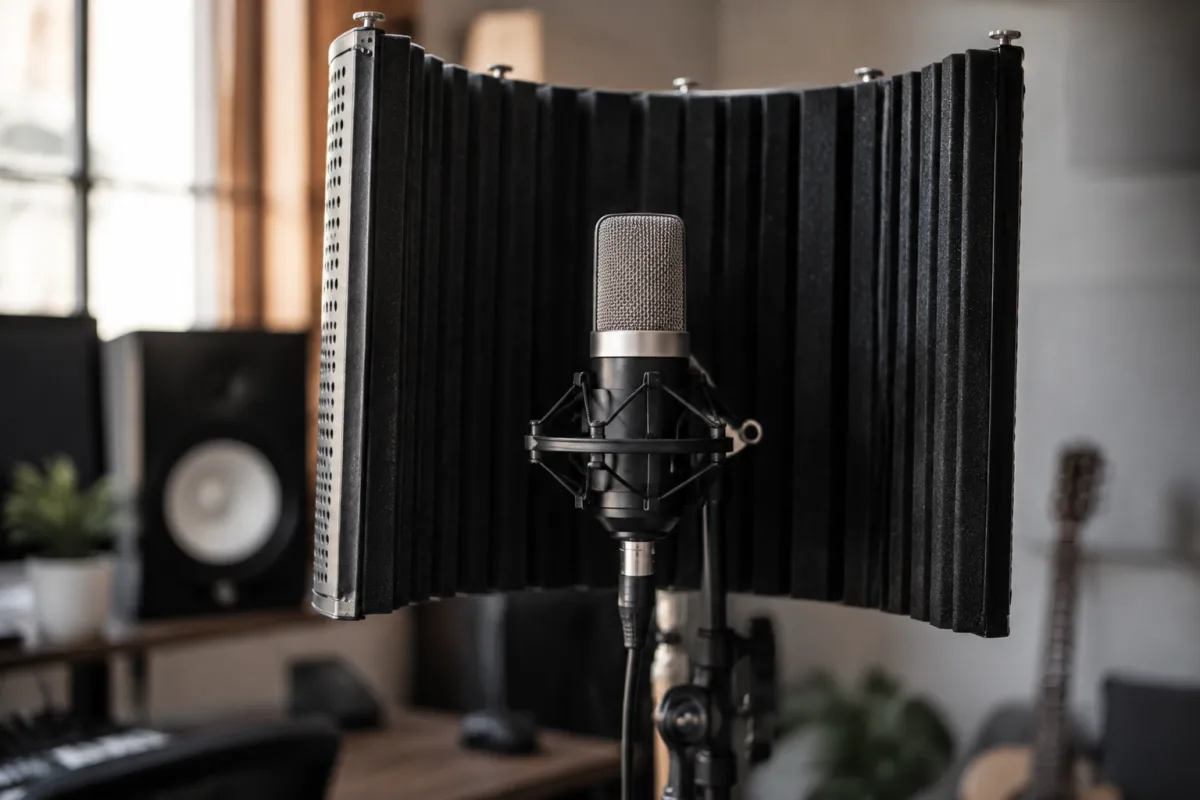
A reflection filter isolates your microphone from the room, killing unwanted reflections and room noise in one clever package. But which one should you buy? The options range from budget models under £30 to professional units costing hundreds. This guide walks you through the specs that matter, what to look for, common mistakes to avoid, and how to find the reflection filter that suits your needs and budget.
The Key Specs: What Actually Matters When Buying
When you're shopping for a reflection filter, you'll see manufacturers listing materials, dimensions, and absorption ratings. Here's what actually affects your choice:
- Size and microphone compatibility: A reflection filter must clamp securely to your mic stand and fit your microphone diameter (most are 23–25 mm). Check before buying—a mismatch means it won't work. Standard sizes range from 8–12 inches (20–30 cm) in radius.
- Material quality: The best reflection filters use dense, multi-layered acoustic foam with a hard backing. Cheap foam absorbs poorly and degrades quickly. Mid-range and pro filters hold their shape and performance for years.
- Absorption frequency range: Good reflection filters absorb mid and high frequencies (roughly 500 Hz–8 kHz), where most room noise and vocal harshness live. If a spec sheet doesn't mention frequency range, that's a red flag.
- Ease of adjustment: Look for a mount that swivels and tilts smoothly. A clunky, hard-to-adjust reflection filter gets shoved into a corner and forgotten. Smooth adjustment matters for comfort during long sessions.
- Isolation design: The best reflection filters angle the absorbing material to face the mic and wall, leaving the sides semi-open. This reduces reflections while keeping your voice natural. Fully enclosed designs can sound muffled.
Price Tiers: What You Get at Each Level
Reflection filters fall into three camps:
- Budget tier (£20–50): Thin foam, basic mounting, limited absorption. These work for casual recording and YouTube content, but the foam degrades, and isolation is modest. Use if: you're experimenting or on a tight budget. Skip if: you record frequently or demand professional quality.
- Mid-range (£50–150): Thicker, denser foam with better mounts and a more refined design. Mid-range reflection filters deliver noticeable isolation and sound improvement. They're the sweet spot for home studios and semi-pro work. Most recording enthusiasts buy here.
- Pro tier (£150–400+): Premium materials, precision engineering, robust construction, and excellent isolation across a wide frequency range. Pro reflection filters excel in demanding environments and justify their cost only if you record full-time or in untreated rooms.
What to Check Before You Buy
Follow this checklist to avoid buyer's remorse:
- Verify mic stand compatibility: Will it fit your mic and clamp securely to your stand? Many reflection filters are designed for standard mounts—check the specs.
- Look at user reviews for real-world feedback: Comments about foam durability, clamp reliability, and actual isolation are gold. If reviewers say the clamp loosens over time or the foam goes flat quickly, that's a signal to avoid.
- Test the angle and adjustability: If buying in person, position it like you would use it. Does it move smoothly? Does it stay put once set? Poor adjustment mechanics become annoying fast.
- Don't get seduced by eye-catching designs: A flashy-looking reflection filter means nothing if the acoustic performance is weak. Choose function over form—your recordings will thank you.
- Check the return policy: A good reflection filter should come with a trial period. If the seller won't allow returns, that's a yellow flag.
- Consider your room noise: A reflection filter works best when your room already has some basic treatment. If you record in a highly reflective, echoey space, a reflection filter alone may not be enough.
Common Pitfalls When Buying
Avoid these mistakes:
- Buying too cheap: Ultra-budget reflection filters (under £25) are often thin, flimsy, and ineffective. You'll feel disappointed. Spend at least £40–50 to get meaningful performance.
- Assuming size = effectiveness: A massive reflection filter doesn't automatically absorb more. Absorption depends on material density and frequency response, not just size. Bigger isn't always better.
- Neglecting the mounting system: A reflection filter that keeps slipping or requires constant readjustment ruins your workflow. Solid, smooth mounts are worth paying for.
- Forgetting to measure your microphone: If your mic diameter differs from the reflection filter's clamp size, you're stuck. Measure before ordering.
- Expecting it to replace acoustic treatment: A reflection filter isolates your microphone from the room—it doesn't treat the whole space. If your room is very reflective or noisy, combine a reflection filter with basic acoustic panels or a rug.
- Not testing with your actual microphone and voice: Different mics and voices interact differently with isolation. If possible, try the reflection filter before buying or ensure the seller allows returns.
Comparing Popular Reflection Filter Options
The market offers many choices. Here's what to expect from common categories:
| Category | Typical Price | Best For | Key Trade-off |
|---|---|---|---|
| No-name budget foam discs | £20–35 | Casual recording, testing | Poor durability, weak isolation |
| Reputable mid-range brands | £60–120 | Home studios, semi-pro work | Good balance of price and performance |
| Professional isolation shields | £150–300 | Demanding studios, full-time recording | Higher cost, often larger |
| Custom or premium options | £300+ | High-end studios, luxury setups | Overkill for most users |
Where to Buy and What to Expect
You'll find reflection filters online, in music shops, and from specialist audio retailers. Online shopping offers the widest range and often the best prices, but buying in person lets you handle and test the product. Music shops often have trial periods or return policies—ask before you buy.
Shipping time matters too. If you need a reflection filter quickly, factor in delivery times. Budget models often arrive faster; pro units may be made to order.
Making Your Decision
Here's the framework: if you record vocals, podcast audio, or acoustic instruments and your room is reflective or noisy, a mid-range reflection filter (£60–120) will transform your recordings. Spend less, and you'll get marginal gains; spend more, and you're paying for features most home studios don't need. Test if you can, read real reviews, and don't hesitate to return it if it doesn't deliver.
For more detailed technical information about how reflection filters work, their materials and design variations, and how they compare to other acoustic solutions, see our complete reflection filter guide.
Bottom Line
A good reflection filter isolates your microphone and improves recording quality without breaking the bank. Focus on material quality, clamp reliability, and real-world reviews. Spend £60–120 for dependable performance; skip the ultra-cheap options and resist premium over-spending unless you have specific pro requirements. Choose wisely, test thoroughly, and you'll have a reflection filter that serves you reliably for years.



Comments