
Studio Recording Microphone article
The Complete Guide to Studio Recording Microphone
A quality studio recording microphone is the foundation of professional audio capture. Understand microphone types, frequency response and proper setup to transform your home recordings.
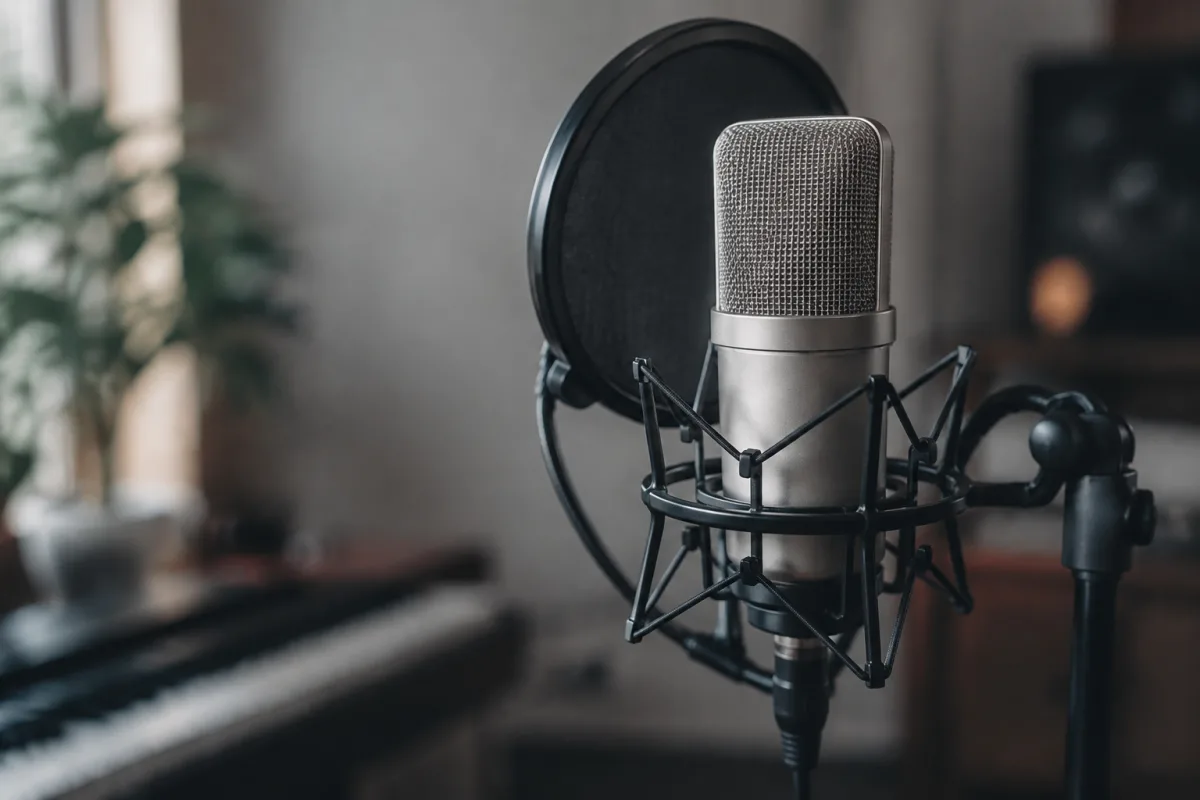
A studio recording microphone is the foundation of professional audio capture. Whether you're recording vocals, acoustic guitars, drums, or instrument amplifiers, the microphone you choose directly determines the clarity, character, and detail of what you capture. Investing in a quality studio recording microphone pays dividends across decades of recordings—it's the one piece of gear that justifies a high price tag.
Why a Studio Recording Microphone Transforms Your Sound
A studio recording microphone doesn't just amplify sound; it imparts character and detail. A £3,000 Neumann U87 sounds distinctly different from a £150 budget condenser in ways no EQ can replicate—more transparency, richer midrange, smoother top end, less noise. Professional studios invest in premium studio recording microphone options because the difference justifies the expense across hundreds of sessions.
That said, a £200–£400 studio recording microphone far exceeds amateur home studio needs. A talented engineer with a modest microphone outperforms a novice with a legendary one. Focus first on microphone choice, room treatment, and technique—gear quality comes later.
Condenser Microphones for Studio Recording
Condensers dominate studio recording microphone applications. They're sensitive, detailed, and responsive, capturing fine nuances that dynamics miss. Condensers require phantom power (supplied by an audio interface), and handle sound across a wide frequency range. Most vocals, acoustic guitars, and ambient recording rely on condenser studio recording microphone options.
Large-diaphragm condensers (Neumann U87, Audio-Technica AT4040) are the standard for vocals. The large diaphragm (typically 1 inch) is responsive to low and midrange frequencies, producing warm, forgiving tone that suits singing. Large-diaphragm studio recording microphone models typically cost £300–£3,000+.
Small-diaphragm condensers (Shure SM81, AKG C451) excel at miking drums, acoustic guitars, and other instruments. The smaller diaphragm (1/2 inch or less) is brighter, more detailed, and captures transients sharply. Small-diaphragm studio recording microphone options span £150–£1,000.
Dynamic Microphones in Studio Recording
Dynamics aren't just for live work. Many studio recording microphone applications use dynamics for their warm, forgiving character:
Kick drum: A Shure Beta 52 or Audix D6 captures punch and low-end definition that condensers muddy.
Snare drum: A Shure SM57 is the studio recording microphone standard. Bright, proximity-friendly, tough.
Toms: Small-diaphragm condensers or dynamics work equally well.
Bass amp and guitar amp: A Shure SM57 or Sennheiser e906 captures aggression and detail without overemphasising harshness a condenser might.
Room mics: Large-diaphragm condensers (Neumann TLM, Telefunken ELA M) capture ambience and space.
Frequency Response and Studio Recording Microphone Character
A studio recording microphone's frequency response graph reveals its character:
Flat response: No boosts or cuts, capturing sound neutrally. Ideal for accurate recording and mixing flexibility.
Presence peak: A boost in the 2–5 kHz region brightens and adds punch. Useful for vocals that need to cut through a mix, less suitable for delicate instruments.
Bass rolloff: A high-pass filter reduces rumble and proximity effect. Standard on most studio recording microphone options.
Top-end rise: A boost above 10 kHz adds air and detail. Great for transparent sources; can sound sibilant on bright instruments.
Choose based on your source. A studio recording microphone with presence peak suits aggressive vocals; one with flat response suits jazz and classical recording.
Top Studio Recording Microphone Options by Source
| Source | Ideal Studio Recording Microphone | Character | Price Range |
|---|---|---|---|
| Lead vocals | Neumann U87, AT4040, AKG C414 | Smooth, warm, forgiving | £300–£3,500 |
| Acoustic guitar | Small-diaphragm condenser or ribbon (Shure KSM137, Royer R-121) | Bright, transparent, detailed | £150–£2,000 |
| Kick drum | Audix D6, Shure Beta 52A | Punchy, focused, low-end detail | £150–£300 |
| Snare drum | Shure SM57 | Bright, crisp, proximity-friendly | £100–£150 |
| Room/ambience | Large-diaphragm condenser (Neumann TLM, Telefunken ELA M) | Warm, spacious, musical | £300–£2,000 |
| Electric guitar amp | Shure SM57, Sennheiser e906 | Aggressive, detailed, controlled | £100–£200 |
Studio Recording Microphone Setup and Technique
The studio recording microphone is only half the equation. Proper technique matters hugely:
- Use a shock mount — Isolates vibration from the stand, eliminating rumble.
- Add a pop filter — Reduces plosives (vocals) or wind noise (acoustic sources).
- Position carefully — Microphone placement dramatically affects tone. Move it slightly to find the sweet spot.
- Set proper level — Aim for peaks around -6dB to -3dB to leave headroom and prevent clipping.
- Use XLR cables — Balanced XLR connections minimize interference and loss.
- Check phantom power — Condensers require 48V phantom power. Verify it's enabled before recording.
Budget Strategies for a Studio Recording Microphone
You don't need a £3,000 studio recording microphone to sound professional:
£200–£300: A Rode NT1 or Audio-Technica AT2020 delivers professional vocal clarity and versatility. Great first studio recording microphone.
£300–£600: An AKG C414 or Audio-Technica AT4040 adds richness and character. Suitable for vocals, instruments, and versatile recording.
£600–£1,500: Neumann TLM series, Telefunken ELA M—professional studio recording microphone standards. Worth the investment for serious recording.
£1,500+: Neumann U87, vintage ribbon mics—tone legends. Necessary only for professional work or recording work you'll do for decades.
Conclusion
A quality studio recording microphone is an investment in your sound for decades. Start with a reliable condenser in the £200–£400 range, master proper miking technique, and upgrade when you genuinely outgrow your microphone's capabilities. The right studio recording microphone transforms home recordings into professional work and forms the foundation of a recording career.


Comments