
Pop Filter and Microphone article
The Complete Guide to Pop Filter And Microphone
A pop filter and microphone combination ensures professional vocal recording quality. This simple setup prevents plosives whilst maintaining transparent sound reproduction.
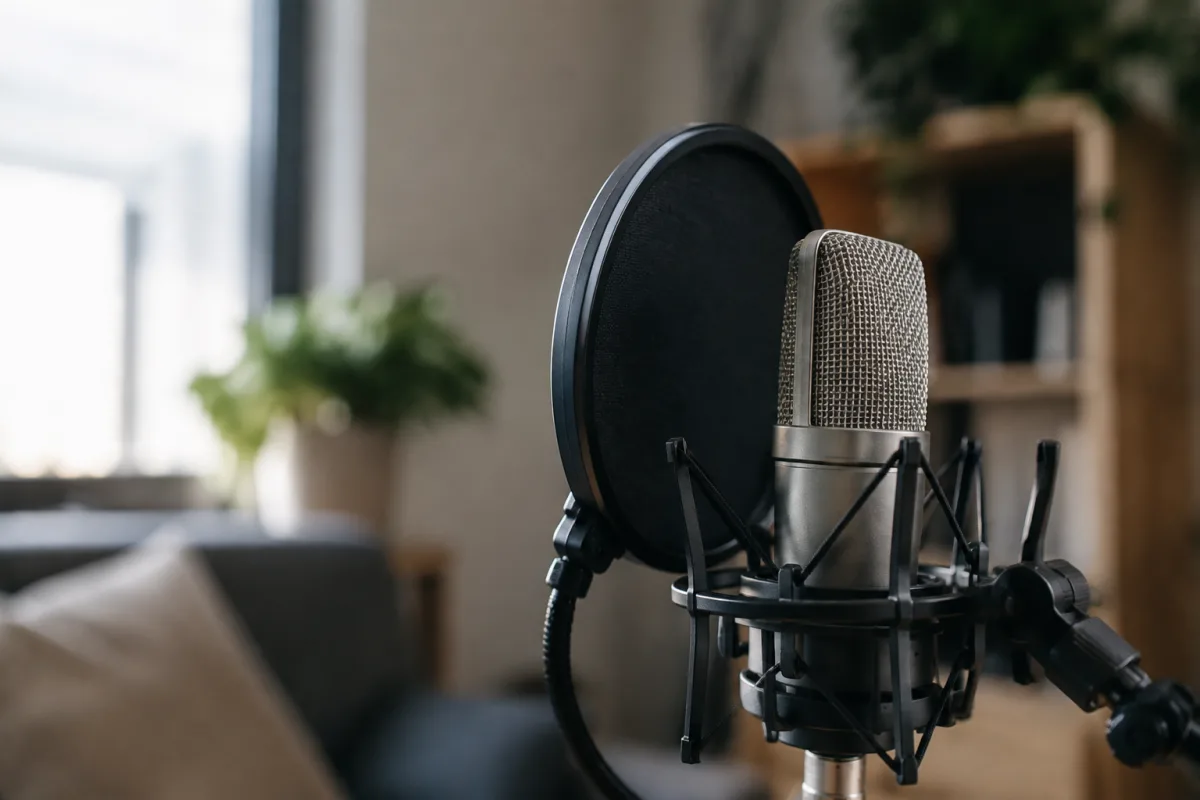
Professional recording quality depends on careful attention to microphone setup, and a pop filter and microphone combination forms the foundation of effective vocal recording. A pop filter protects microphones from proximity-induced plosives whilst maintaining transparent sound reproduction. Combined with a quality microphone, this simple yet essential setup improves recording clarity dramatically, distinguishing professional recordings from amateur efforts.
Understanding Pop Filters
A pop filter is a screen positioned between vocalist and microphone, designed to prevent explosive consonant sounds from overloading recording equipment. These 'plosives'—particularly 'P' and 'B' sounds—create sudden pressure changes that degrade audio quality. A pop filter disperses air from these sounds, protecting microphone diaphragms from damage whilst maintaining microphone position and acoustic properties.
Microphone and Pop Filter Integration
The relationship between pop filter and microphone proves critical. Optimal placement sits 2-4 inches from the microphone, close enough to effectively reduce plosives yet far enough to avoid acoustic interaction. Quality microphones paired with properly-positioned pop filters yield professional vocal recordings suitable for broadcast and commercial release.
Materials and Design
Pop filter materials include nylon mesh and metal screens. Mesh construction balances airflow interruption with transparency, whilst metal screens offer durability and varying acoustic characteristics. The pop filter mounting system must ensure stability during recording, preventing drift that would compromise sound quality. Well-designed pop filters remain invisible to recordings, functioning transparently without colouring vocal tones.
Professional Studio Practice
Professional recording studios universally employ pop filters during vocal sessions. The combination of pop filter and microphone represents standard practice rather than optional accessory. Sound engineers recognise that pop filters protect expensive microphone equipment from accidental damage whilst improving recording quality immediately and measurably.
Application Beyond Vocals
Whilst vocal recording represents the primary pop filter application, these tools benefit spoken word recording, podcast production, and interviews. Any application where proximity recording introduces plosive risk benefits from pop filter protection. Even acoustic instruments benefit from pop filter positioning when recorded at close distances.
Acoustic Considerations
Transparent pop filters interact minimally with microphone frequency response. Quality designs maintain the microphone's intended tonal character. Poor pop filter design can colour recordings, introducing unwanted presence peaks or muffling high frequencies—problems that alert engineers to inferior pop filter choices.
Cost-Effectiveness
Pop filters represent remarkably cost-effective protective equipment. Budget versions cost under £15, whilst professional models range up to £50. This modest investment protects microphones costing hundreds or thousands of pounds, making pop filter use financially obvious to professional engineers.
Maintenance and Durability
Quality pop filters withstand years of studio use with minimal maintenance. Periodic cleaning removes dust and debris, restoring transparency. Unlike microphones requiring professional servicing, pop filters demand no specialised care, making them reliably available for daily studio work.
Conclusion
A pop filter and microphone combination forms the professional foundation for quality vocal recording. These complementary tools work together to deliver clear, plosive-free vocal tracks suitable for commercial release. Whether operating professional recording studios, producing podcasts, or creating content, a pop filter and quality microphone represent essential investments in recording quality and microphone protection that every serious recording setup requires.


Comments