


Podcast Equipment article
Podcast Equipment for Beginners: A Complete Guide
A reassuring guide to your first podcast equipment — what you genuinely need today, and what can wait until you feel a real gap.

If you've been putting off starting a podcast because podcast equipment feels complicated, I'd like to gently talk you out of that worry. You need far less than most shopping guides suggest, and every single piece can be added later once you actually know you need it. Let's start right at the beginning, with no assumptions at all.
What You Genuinely Need on Day One
Here is the complete list for a first episode, and it's shorter than you might think:
- A microphone — a simple USB one connects straight to your computer, nothing else required
- Wired headphones — so you can hear yourself while you record
- A computer or smartphone
- Free or low-cost recording software
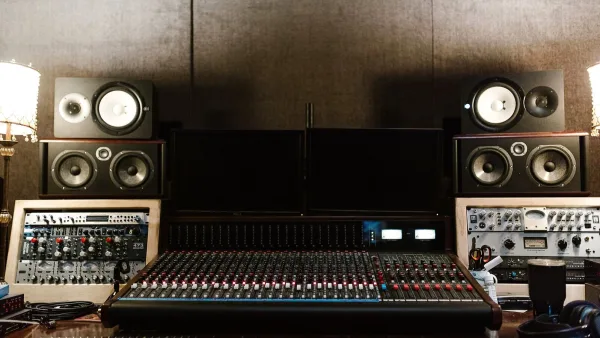
That's genuinely it. Everything else — mixers, boom arms, acoustic panels — is worth knowing about, but none of it stops you starting today.
Choosing Your First Microphone Without Overthinking It
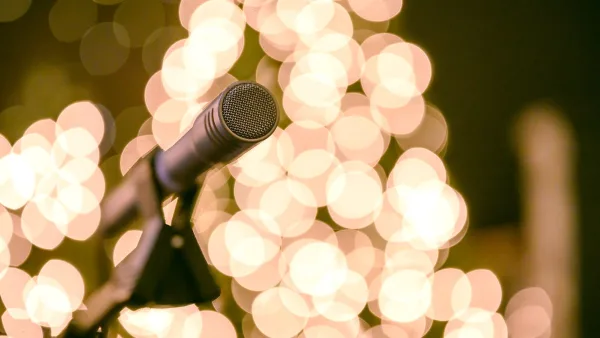
A USB microphone is the kindest option for a first purchase. It plugs straight into your computer, needs no separate box to convert the signal, and gets you recording in minutes rather than hours. Don't worry yet about dynamic versus condenser, or USB versus XLR — those are decisions for later, once you know what your own voice and room actually need. For now, a straightforward, well-reviewed USB microphone will serve you well.
Your First Recording, Step by Step
- Find the quietest room available to you, and close the door
- Turn off anything humming or buzzing nearby, like a fan or an air conditioner, if you can
- Put your headphones on before you press record, so you can hear yourself the whole time
- Sit about a hand's width — roughly 6 to 12 inches — from the microphone
- Record thirty seconds of yourself talking normally, then stop and listen back
That test recording tells you almost everything you need to know before committing to a full episode: is it too quiet, too loud, or full of background noise you hadn't noticed while talking?
Gentle Answers to Common Worries
- "I don't have a treated recording room." Almost nobody does at the start. A softer room — one with curtains, carpet or a sofa — will already sound better than a bare one, and that's a completely reasonable place to begin.
- "What if my equipment doesn't sound as good as the podcasts I listen to?" Many established shows started on very modest kit. Technique and a quiet room matter more than you'd expect, especially early on.
- "Do I need to spend a lot of money to sound professional?" No. A sensible, inexpensive USB microphone and a bit of care with your recording space will get you further than an expensive microphone used carelessly.
- "What if I make a mistake while recording?" That's what editing is for. Keep talking, and cut it out afterwards — nobody records a perfect take first.
You Don't Need Matching Podcast Equipment to Everyone Else
It's easy to compare your setup to a well-known show's and feel behind before you've even started. Try not to. Most of what makes a podcast enjoyable is the conversation and the editing, not the specific podcast equipment behind it. Plenty of listeners couldn't tell you what microphone their favourite host uses, and they've never once thought to ask.
Small Things That Help Early On
A pop filter — even a cheap foam windscreen over the microphone — softens the little bursts of air on words starting with "p" or "b", and it costs very little. Sitting slightly off to the side of the microphone rather than speaking directly into it does something similar for free. Neither is essential on day one, but both are easy, low-cost improvements once you're comfortable with the basics.
A Word on Patience
Your first few episodes will probably sound a little rough around the edges, and that's completely normal — it happens to everyone, regardless of what podcast equipment they started with. You'll notice yourself getting more comfortable in front of the microphone, judging distance and volume more naturally, and hearing small problems before they become big ones. That improvement matters far more than any single piece of gear.
When to Add More Equipment
You'll know it's time to add something when you feel a genuine gap, not before. A second microphone when a co-host joins you. An interface or mixer when you outgrow a single USB connection. Acoustic panels if echo becomes a real, noticeable problem rather than a theoretical one. Let your actual episodes tell you what podcast equipment to buy next, rather than a shopping list written for someone else's show.
Where to Go Next
Once you've recorded a few episodes and want to understand the bigger picture, our full explainer covers how all the pieces fit together, and the buyer's guide is there for when you're ready to expand. It's also worth reading common mistakes to avoid so you can sidestep a few of them early. But truly — don't let any of it stop you pressing record today.


Comments