


Wireless Studio Headphones article
The Ultimate Guide to Jlab Studio Wireless Headphones
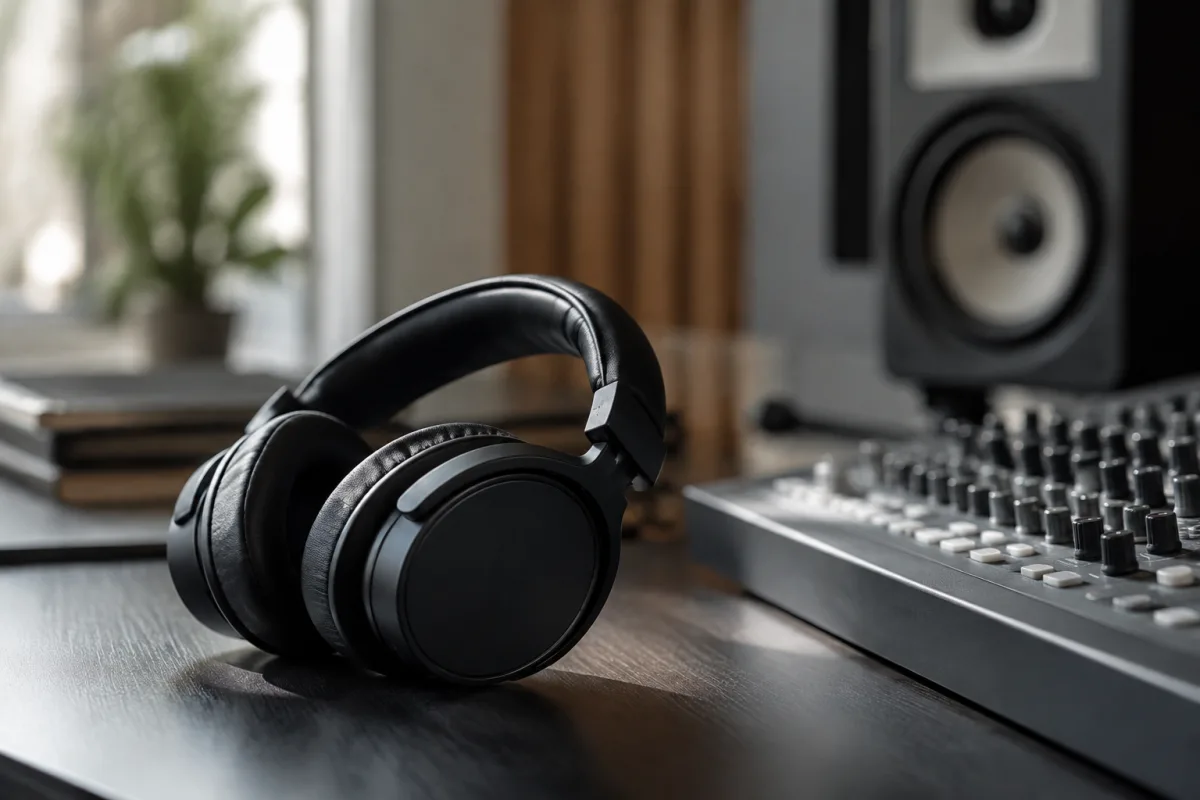
Professional recording and mixing have traditionally demanded wired monitoring solutions, but advances in Bluetooth and wireless transmission have shifted what's possible in modern studios. Wireless studio headphones now offer genuine low-latency performance, extended frequency response, and comfort features that make them practical for serious recording work. Whether you're checking mixes whilst away from your desk or building a flexible monitoring setup, understanding the capabilities and limitations of wireless options helps you make an informed purchase decision.
Why Wireless Monitoring Matters in Modern Studios
The appeal of wireless headphones in recording contexts goes beyond convenience. Remote monitoring during overdubs allows performers to track comfortably whilst hearing themselves without feeling tethered to a control room. Mixing engineers can move around the room to evaluate how mixes translate to different listening positions. Content creators recording podcasts or voice-over can maintain eye contact with collaborators instead of managing cable tangles.
Latency—the delay between the audio being transmitted and reaching your ears—was historically the primary barrier to professional wireless use. Modern systems now achieve latency under 10 milliseconds, which is imperceptible to humans and acceptable for recording applications.
Key Technical Specifications for Studio Headphones
Choosing wireless options requires understanding several technical parameters that distinguish consumer models from professional-grade equipment:
| Specification | What It Means | Professional Standard |
|---|---|---|
| Latency | Delay between transmission and sound reaching your ears | Under 10 ms (imperceptible) |
| Frequency Response | Range of frequencies the headphones reproduce | 20 Hz to 20 kHz minimum |
| Codec | Audio compression method used for transmission | aptX, LDAC, or lossless proprietary |
| Battery Life | Hours of continuous use before recharging | 20+ hours preferred |
| Connection Stability | Range and reliability of wireless link | 10+ metres without dropouts |
Types of Wireless Studio Headphones
Closed-back wireless models provide isolation and tight bass response, ideal for tracking and overdubs where isolation from room sound matters. They excel during vocal recordings and instrumental overdubs where performers need to focus on their own part without distraction.
Open-back designs offer a more spacious, less fatiguing listening experience suited to mixing tasks. Sound leaks from open-back headphones make them less practical for recording environments with microphones running simultaneously.
Semi-open configurations attempt to balance isolation with spatial openness, offering compromise solutions for engineers working across multiple tasks.
Popular Wireless Studio Headphone Brands
Several manufacturers have invested in professional-grade wireless solutions. Audio-Technica, Sennheiser, Shure, and Sony have developed models specifically targeting recording studios, offering genuine low-latency performance and monitoring-grade accuracy rather than consumer-focused features like noise cancelling or mobile app integration.
Certain consumer brands like JBL and Beats have improved their technical specifications in recent years, though they remain primarily designed for music listening rather than accurate monitoring. For critical recording and mixing work, professional-grade options remain the safer investment.
Setting Up Wireless Systems in a Studio
Proper implementation matters significantly. Position your wireless receiver (or base station) away from metal objects and physical obstructions that degrade signal. Maintain clear line-of-sight to the headphones whenever possible, especially if using 2.4 GHz Bluetooth systems that compete with Wi-Fi routers and other wireless devices in your studio space.
Consider electromagnetic interference from other studio equipment. Some synthesizers, amplifiers, and older studio gear emit RF noise that can compromise wireless performance. Testing your setup before committing to wireless monitoring for important tracking sessions is prudent.
Advantages and Realistic Limitations
Wireless headphones genuinely simplify studio workflows and enable comfortable monitoring for performers. However, acknowledge their limitations honestly. Wired professional monitors still offer superior reliability for mission-critical applications like final mixing for commercial release. Battery failure during important sessions, occasional connectivity hiccups, and the need to remember charging routines add operational considerations that wired systems eliminate.
For tracking, overdubbing, and rough mixing, wireless options have matured sufficiently to be trustworthy. For mastering-grade critical listening, wired professional monitors remain the standard.
Budget and Investment Considerations
Professional-grade wireless headphones cost £200–£400, roughly equivalent to quality wired studio headphones at comparable performance levels. The wireless premium has largely disappeared as the technology has matured. This pricing makes wireless options accessible to small studios and serious home recordists without prohibitive cost.
Conclusion
Wireless studio headphones have evolved from gimmick to genuinely practical tool for recording professionals. Modern systems deliver acceptable latency, accurate frequency response, and comfort features that make them suitable for tracking, overdubbing, and preliminary mixing work. If your studio workflow includes mobile monitoring, performer comfort, or flexible workspace arrangements, investing in quality wireless options enhances productivity and creative flexibility. Start with a single pair from a reputable professional brand, establish your comfort level with the technology, and expand your monitoring setup as your needs and budget allow.



Comments