


Sennheiser Open Back Headphones Buying guide
Sennheiser Open Back Headphones: A Complete Buyer's Guide
Sennheiser open back headphones deliver transparent, natural sound for professionals and audiophiles. This buyer's guide covers model selection, key specifications, amplification requirements, and factors to consider when purchasing.
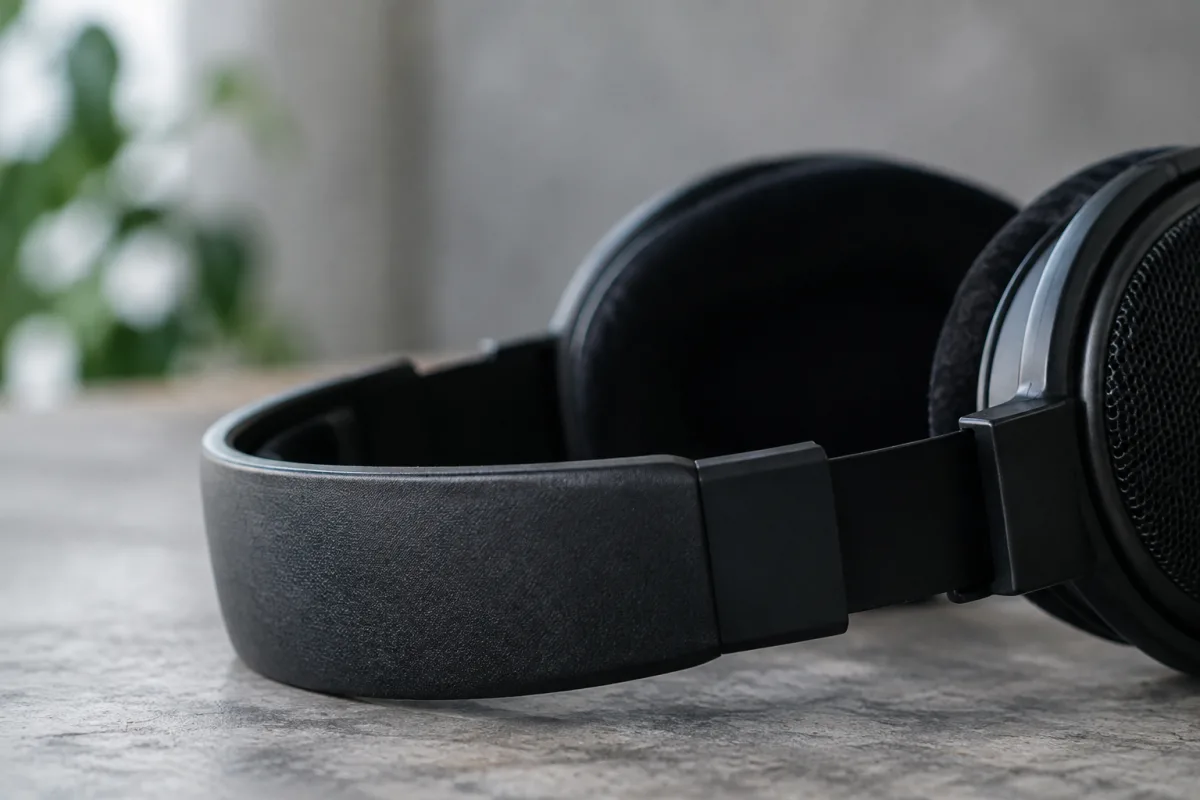
Sennheiser open back headphones represent the German manufacturer's commitment to delivering transparent, natural sound reproduction favoured by professionals and audiophiles worldwide. If you're considering investing in Sennheiser open back headphones for studio work, critical listening, or high-fidelity music enjoyment, understanding the range available and key features will help you select the perfect model for your needs. This buyer's guide covers what distinguishes Sennheiser open back headphones, essential specifications to evaluate, and practical considerations for making an informed purchase decision.
Why Choose Sennheiser Open Back Headphones
Sennheiser open back headphones have earned their reputation through decades of innovation in professional audio. The open-back design allows air to move freely around the driver, creating a wider soundstage and more natural acoustic characteristics than sealed headphones. Sennheiser engineers tune open back headphones with precise frequency response curves optimised for accurate monitoring and critical listening. Unlike closed-back models, Sennheiser open back headphones deliver minimal ear fatigue during extended wearing sessions, crucial for studio professionals and music enthusiasts. The brand's commitment to quality materials and construction ensures Sennheiser open back headphones endure years of daily use.
Sennheiser Open Back Headphones Price Tiers
| Model Category | Price Range | Best For | Key Characteristics |
|---|---|---|---|
| Professional Studio | £150-300 | Recording engineers, mixing professionals | Flat response, excellent isolation, modular design, replaceable parts |
| High-End Consumer | £250-500 | Audiophiles, serious listeners | Premium drivers, natural tonality, extended bass, refined treble |
| Reference Monitor | £400-800 | Critical monitoring, mastering engineers | Extremely flat response, precise imaging, professional construction |
| Flagship Audiophile | £800+ | Ultra-premium sound seekers, high-end enthusiasts | Handcrafted components, signature Sennheiser character, exceptional detail |
Key Sennheiser Open Back Headphones Models to Consider
The HD 600 remains Sennheiser's most iconic open back headphones model, beloved by professionals and home listeners for over two decades. Its neutral frequency response and exceptional build quality justify its premium positioning. The HD 650 builds upon the HD 600 heritage with refined driver design and subtle mid-range emphasis, appealing to listeners prioritising musicality. For budget-conscious buyers, the HD 560S offers excellent value with Sennheiser open back headphones characteristics at accessible pricing. The HD 660S represents a modern evolution, combining traditional Sennheiser open back headphones character with improved manufacturing techniques. Professional users favour the HE 1 as the absolute pinnacle of Sennheiser open back headphones technology, though at premium pricing.
Critical Specifications for Sennheiser Open Back Headphones
Frequency response indicates how accurately Sennheiser open back headphones reproduce the full audio spectrum; professional models feature 15Hz-25kHz response curves nearly ruler-flat across critical midrange frequencies. Impedance ratings for Sennheiser open back headphones typically range 300-600 ohms, requiring adequate amplification to perform optimally. Sensitivity measurements (how loud Sennheiser open back headphones play at specified input levels) influence amplifier requirements—lower sensitivity models like the HD 650 demand more powerful amplification. Transient response measures how quickly Sennheiser open back headphones drivers react to musical passages; superior transient handling distinguishes premium from entry-level Sennheiser open back headphones.
Amplification Requirements for Sennheiser Open Back Headphones
A critical factor often overlooked when purchasing Sennheiser open back headphones is adequate amplification. High-impedance Sennheiser open back headphones—particularly vintage and reference models—demand dedicated headphone amplifiers or quality tube amps to perform optimally. Plugging 300-ohm Sennheiser open back headphones directly into consumer audio interfaces or smartphone outputs inevitably produces inadequate volume and compromised sound quality. Invest in a capable headphone amplifier rated for Sennheiser open back headphones impedance specifications. Quality amplifiers specifically designed for Sennheiser open back headphones unlock their true potential, dramatically improving bass definition, dynamic range, and overall musicality.
Durability and Replaceable Components
Sennheiser open back headphones distinguish themselves through thoughtful construction enabling long-term ownership. The modular design means ear pads, cables, and sometimes even drivers are replaceable, preventing complete equipment replacement after normal wear. Genuine Sennheiser open back headphones replacement parts remain widely available and reasonably priced. The build quality—with aluminium headbands, reinforced cable connections, and robust construction—withstands years of professional use. This repairability and durability aspect makes Sennheiser open back headphones excellent long-term investments despite higher initial costs.
Comfort Considerations for Extended Wearing
Extended listening sessions during studio work require comfortable Sennheiser open back headphones. Quality ear pads—soft velour or leather materials—prevent ear fatigue during eight-hour studio shifts. Weight distribution across the headband ensures comfortable fit without pressure points. Sennheiser open back headphones excel in comfort design, with well-engineered headband mechanisms distributing pressure evenly. Cable quality matters; Sennheiser uses robust, tangle-resistant materials in professional-grade open back headphones. If purchasing vintage Sennheiser open back headphones, budget for new ear pads if originals show wear—a modest investment dramatically improves comfort and sound quality.
Sound Signature: Neutrality vs. Musicality
Sennheiser open back headphones divide into two philosophical camps. Professional reference Sennheiser open back headphones prioritise absolute neutrality and flat response for accurate monitoring and mixing. Consumer-oriented Sennheiser open back headphones embrace subtle sonic characteristics—slight bass warmth, refined midrange presence, or extended treble shimmer—enhancing musical enjoyment. Neither approach proves universally superior; your choice depends on intended use. Studio monitors and mastering engineers prefer absolutely neutral Sennheiser open back headphones, whilst music enthusiasts often gravitate toward Sennheiser open back headphones with character-laden tuning.
Comparing Sennheiser Open Back Headphones to Competitors
Sennheiser open back headphones compete primarily against Beyerdynamic, Audio-Technica, and AKG in professional markets. Beyerdynamic offers slightly forward treble presentation, whereas Sennheiser open back headphones tend toward neutral balance. Audio-Technica models often feature more aggressive bass emphasis than comparable Sennheiser open back headphones. AKG designs sometimes prioritise ultra-extended treble response compared to Sennheiser's more controlled approach. Sennheiser open back headphones excel in midrange transparency and overall musical balance—strengths particularly valued by professional mixers preferring Sennheiser for critical work.
Common Mistakes When Buying Sennheiser Open Back Headphones
Don't underestimate amplification requirements; underpowered electronics compromise even flagship Sennheiser open back headphones. Avoid purchasing vintage Sennheiser open back headphones without checking parts availability and repair capabilities. Don't assume higher price always equals better match for your needs—mid-range Sennheiser open back headphones often provide superior value for specific applications. Resist impulse purchases without testing; even professional reviewers sometimes prefer unexpected models. Finally, never overlook the importance of comfortable ear pad materials; poor comfort ruins expensive Sennheiser open back headphones despite superior audio quality.
Making Your Final Selection
Begin by clearly defining your intended use—studio monitoring, mixing, mastering, or casual listening fundamentally shapes which Sennheiser open back headphones model makes most sense. Consider your existing amplification equipment; underpowered systems argue for more sensitive Sennheiser open back headphones models. Establish realistic budgets, recognising that quality Sennheiser open back headphones represent long-term investments justifying premium pricing through durability and timeless sound. Read professional reviews from users in your exact application space. If possible, audition Sennheiser open back headphones through rental services or borrow from friends before committing to purchase. Finally, factor in headphone amplification and potential future replacement part costs when calculating true ownership expenses.
For detailed technical information and comprehensive model comparisons, consult our complete guide to Sennheiser open back headphones. Once you've selected your Sennheiser open back headphones and paired them with appropriate amplification, proper break-in period and cable quality will further optimise their performance.


Comments