


Mixing Headphones article
Mixing Headphones for Beginners: A Complete Guide
Mixing on the right headphones produces genuinely professional results. This beginner's guide covers choosing accurate headphones and mixing techniques that translate.
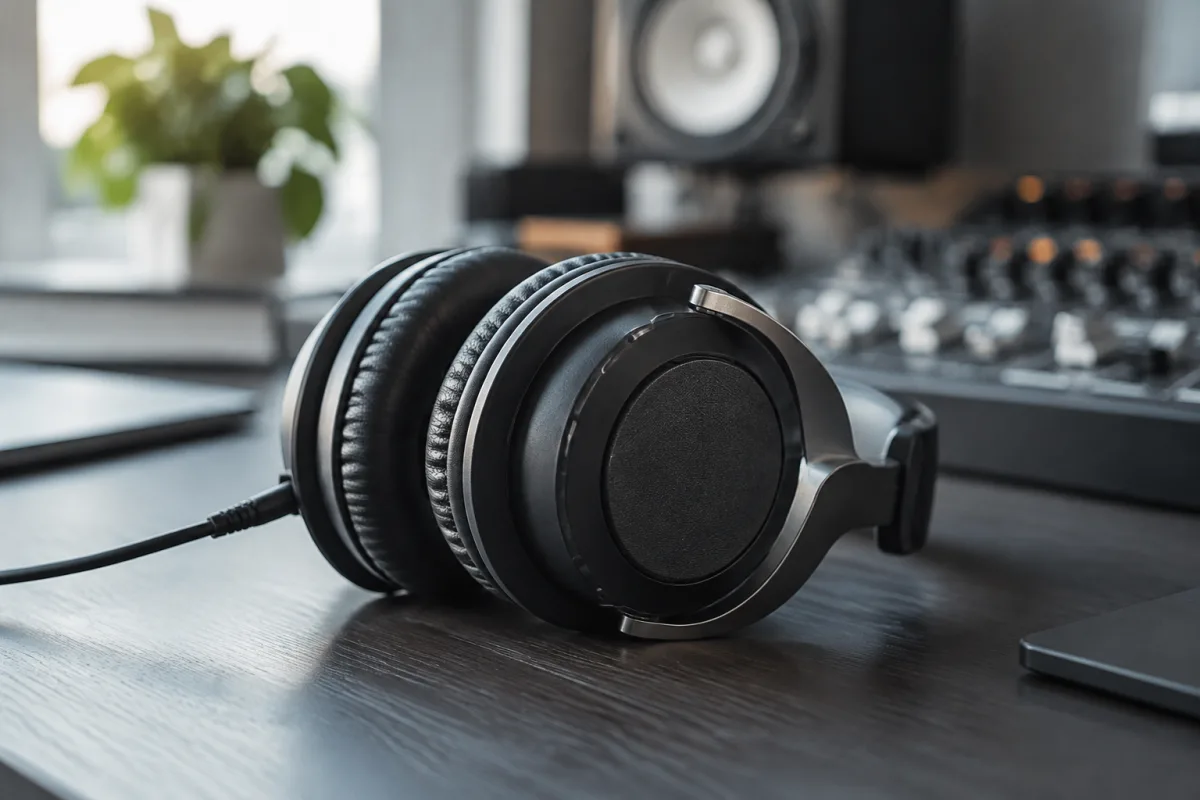
Mixing on headphones feels like a shortcut—you skip the expense of studio monitors, treat your bedroom desk as a professional mixing space, and hope the results translate to other systems. But here's the honest part: you can actually create genuinely professional mixes on headphones if you choose the right pair and understand their limitations. The problem isn't mixing headphones themselves; it's mixing on the wrong headphones whilst pretending they're studio monitors. This guide is for someone new to home recording who's realised monitors aren't viable right now and wants to understand whether mixing headphones can work, which models actually suit the job, and how to compensate for what headphones inherently can't do.
Why Mixing Headphones Aren't Just Headphones
Consumer headphones colour the sound deliberately—they boost bass to make pop music catchy, emphasise midrange to make dialogue clear on video calls, or add a presence peak to make games feel spacious. Mixing headphones are designed to do the opposite: they aim for flat, honest response so you hear what's actually there, not what sounds exciting.
That neutrality is crucial. A boost in the 100 Hz region (common in casual headphones) makes a bass line sound bigger and more satisfying. But when you mix to that boost, your bass sits too loud in the final mix on proper speakers. You've been deceived by the headphones themselves. Mixing headphones won't deceive you that way—they'll tell you exactly what you have, which is what mixing demands.
Mixing Headphones Versus Studio Monitors: The Honest Comparison
Studio monitors sit in your room and bounce sound off walls, furniture, and your ears simultaneously. They create a spatial mix environment that headphones can never replicate. Your brain perceives width, depth, and distance differently through speakers than through headphones. That's a massive advantage for monitors.
But here's what headphones offer: complete isolation from room acoustics. Your bedroom's terrible echo and reflective walls don't matter. You hear only what the headphones reproduce, with no room interference. For detecting detail—a vocal layer hiding behind the main lead, a guitar tone issue, a hi-hat that's clipping—headphones often outperform casual monitor setups. A pair of proper mixing headphones will reveal problems that cheap monitors might soften or hide behind room colouration.
The practical truth: monitors are superior for mixing, but mixing headphones are genuinely viable if you understand their specific strengths and limitations. Plenty of professional mixes have been created on headphones, particularly electronic music and spoken-word content where spatial width matters less than tonal accuracy and detail.
What to Look For in Mixing Headphones
Picking mixing headphones isn't straightforward because the feature list that sounds professional doesn't always translate to actual usefulness. Here's what actually matters:
- Flat frequency response: Look for headphones specifically described as "flat" or "neutral," not "warm" or "bright." Reputable manufacturers publish frequency response charts; if the published graph looks genuinely flat between 20 Hz and 20 kHz, that's the right starting point.
- Closed-back design: Closed-back headphones isolate sound and prevent your mix leaking into your microphone during vocal recording. Open-back designs sound airier but are impractical for home recording. Closed-back it is.
- Comfort for long sessions: You'll wear these for hours whilst editing or mixing. Headphones that feel comfortable for 30 minutes of YouTube but painful after 90 minutes are useless for actual work. Weight, headband pressure, and ear cup padding matter genuinely.
- Accurate midrange: This is where mix-critical information lives. If the midrange sounds muddy, unclear, or boosted, mixing headphones fail their job. Trust your ears here: put on a vocal recording you know well and listen whether the presence feels natural or pushed.
- Replaceable parts: Cables that fail, ear cup foam that degrades—these aren't if, they're when. Buy headphones where cables, pads, and drivers can be replaced without replacing the entire unit.
Price tells a partial story. £400 headphones aren't automatically better than £150 ones, but sub-£80 headphones rarely have the tonal accuracy mixing demands. Your target range is £120–300; anything less is a compromise, anything more is paying for features that don't improve mixing accuracy.
Popular Mixing Headphones Beginner-Friendly Options
Rather than recommending specific current models (which change yearly), here are the categories of headphones that consistently work for beginners:
- Professional monitoring headphones from established brands: Companies like Audio-Technica, Sony, and Sennheiser make models specifically designed for mixing and critical listening. These tend to be reliable, flat-sounding, and well-documented online (so troubleshooting is easier).
- Gaming headphones marketed as "studio accurate": Some gaming manufacturers now make "audiophile" or "studio" lines with genuinely neutral tuning. These often offer excellent value because gaming headphones need to be comfortable for long sessions anyway.
- Headphones used in professional audio work: If a model is used in broadcast, podcast production, or mastering, it's undergone real-world testing. Look at what actual engineers buy for critical listening, not what marketing claims.
Start by reading reviews from actual mixing engineers, not casual consumers. Audio magazines and professional audio forums are more reliable than general tech sites.
Getting Mixing Right on Headphones: The Practical Path
Flat headphones alone don't guarantee good mixes. You need technique to compensate for what headphones can't do:
- Mix quietly. Loud headphones fatigue your ears and trick your brain into adding more low end and compression than actually exists. Mix at conversation volume, not at the comfortable-but-loud level your headphones encourage.
- Reference on other systems regularly. Mix a section on your headphones, then play it on your laptop speakers, a car stereo, or casual earbuds. Listen for surprises. The bass you thought was balanced might be nearly inaudible on small speakers. The high-end brightness you didn't notice on headphones might pierce on a bright system. This cross-referencing teaches you what your mixing headphones actually do.
- Take regular breaks. Ear fatigue makes you stop hearing accurately. After an hour, remove the headphones for 15 minutes. Your ears reset and you return to mixing with fresh perspective.
- Don't chase width. Mixing headphones exaggerate stereo width because of how they deliver sound directly to each ear. A vocal panned 30% left sounds enormous on headphones, then sounds oddly narrow on speakers. Mix slightly narrower than feels right on headphones—bring the image closer to centre than you think it should be.
- Listen in mono occasionally. Switch your mix to mono to hear what's happening in the centre. This catches phase problems, unexpected cancellations, and bass imbalances that stereo can hide. Mono is the absolute truth; stereo is where creative width lives, but it masks problems that mono reveals.
The Real Limitation: What Headphones Can't Do
Mixing headphones can't replicate how a mix feels in space. A orchestral recording that sounds intimate on headphones might feel thin and enclosed when played through room-filling speakers. Punch and weight that headphones deliver clearly might disappear in a room with poor speaker placement. Stereo width that feels balanced on headphones might feel excessive in a living room with wide speaker separation.
This is why professional mixes involve multiple listening environments—not just for quality checking, but for understanding how the mix translates. If you're mixing solely on headphones, accept that your mixes will need a translation step. Make a rough mix on headphones, then listen on speakers, earbuds, car stereo, and phone speakers to understand how your headphone mix actually translates. Adjust based on what you find. This isn't failure; this is professional practice.
Building Confidence in Your Mixing Headphones Setup
Your first month on mixing headphones will feel uncertain. You won't know whether problems you're hearing are real mixing issues or headphone quirks. Here's how to build confidence: take a professional mix (a song you genuinely love and know well), load it into your DAW, and listen to it on your headphones. Listen to how the vocals sit, how wide the stereo image is, how the bass translates. Use that as your reference. When you're mixing your own work, compare against that reference. "Does my vocal sit forward like this reference vocal?" rather than trusting your instinct alone.
Over months, you'll learn the personality of your mixing headphones. You'll develop an instinct for what adjustments translate and what adjustments are headphone artefacts. That learning curve is gradual but inevitable. Every engineer mixing on headphones has gone through it.
For a comprehensive overview of mixing headphones and how to select the right model for your specific needs, see our complete guide to mixing headphones.


Comments