
Wireless Marshall Headphones article
The Complete Guide to Wireless Marshall Headphones
Wireless Marshall headphones bring Marshall's iconic sound and heritage to the freedom of Bluetooth. This guide covers Bluetooth technology, battery life, comfort, features and how to pick the right model for your listening.
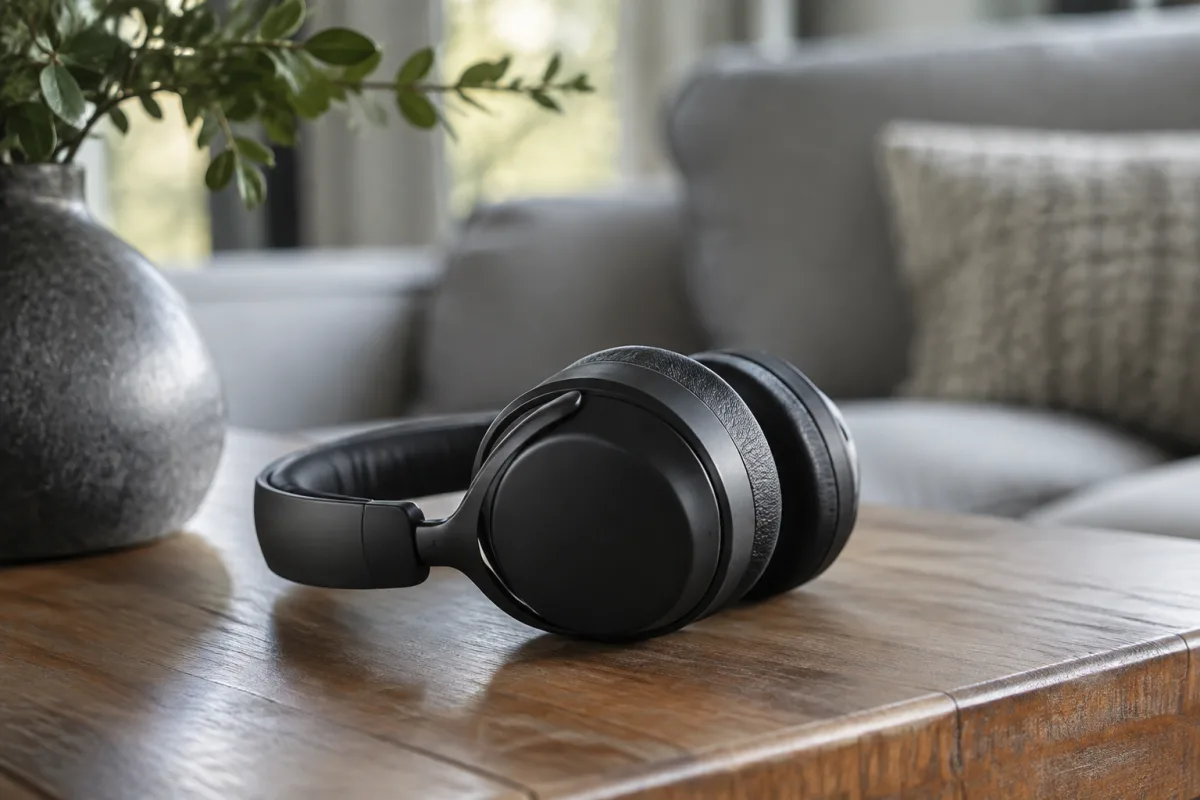
Wireless Marshall headphones deliver the brand's iconic sound signature through the freedom and convenience of Bluetooth connectivity. Whether you're a touring musician needing reliable wireless monitoring, a producer working in a studio that values mobility, or simply someone who loves Marshall's acoustic heritage, understanding what wireless Marshall headphones can do helps you choose the right model for your needs and budget. This guide walks you through what matters when evaluating wireless Marshall headphones.
The Marshall Sound in Wireless Headphones
Marshall built its reputation on amplifiers and speakers that deliver warm, full-bodied tone with pronounced bass and midrange character. When Marshall entered the headphone market, they brought that same tonal philosophy to their designs. Wireless Marshall headphones aim to reproduce that characteristic sound—rich, warm, and authoritative—whilst cutting the cable.
The challenge of wireless audio is maintaining quality whilst dealing with Bluetooth compression and battery power constraints. Marshall engineers have tuned their headphones to prioritise the tonal character that defines the brand, even within those limitations. The result is a listening experience that feels authentically Marshall.
Bluetooth Technology and Connectivity
All modern wireless Marshall headphones use Bluetooth technology, but not all Bluetooth is equal. Newer models use Bluetooth 5.0 or later, which offers improved range, faster pairing and more stable connections than older versions.
Codec matters too. Standard Bluetooth uses the SBC codec, which sounds acceptable but applies moderate compression. Some Marshall models support aptX or LDAC codecs, which transmit audio data more efficiently and preserve higher quality over wireless. If your source device supports a better codec, wireless Marshall headphones that match that codec will sound noticeably better.
Practical considerations matter as much as specifications. Can the headphones pair quickly with multiple devices? Do they reliably reconnect when you pick them up after a pause? Can you control volume and playback from the headphones themselves? Testing the headphones with your actual devices before buying is worthwhile—wireless performance can vary depending on your phone, laptop or audio interface.
Battery Life and Charging
Battery life typically ranges from 12 to 30 hours depending on the model and volume level. Wireless Marshall headphones with good battery life minimise the interruption of needing to charge. Most modern models use USB-C charging, which is convenient since USB-C cables are universal and widely available.
Pay attention to whether the model offers quick charging. If you can get an hour of listening time from a fifteen-minute charge, the headphones are far more practical for touring or travel. Some models ship with charging cases that extend battery life, which is particularly useful if you're on the road frequently.
Sound Quality for Different Uses
Wireless Marshall headphones excel at different tasks depending on the specific model. Some are tuned for mixing and critical listening, with a relatively balanced frequency response that lets you hear details clearly. Others prioritise the warm, bass-forward Marshall house sound, which is excellent for casual listening and enjoying music but less ideal for precise studio work.
If you're a producer or engineer using wireless Marshall headphones in the studio, choose a model specifically designed for monitoring. If you're a musician using them as personal monitors on stage or in rehearsal, the more coloured, bass-heavy sound is often preferable—it feels more engaging and musical.
Consider the intended use and the headphone's stated purpose. A "wireless Marshall studio headphones" model will behave very differently from "wireless Marshall DJ headphones," even though both carry the Marshall name.
Comfort and Build Quality
You'll be wearing these headphones for hours at a time. Comfort matters enormously—uncomfortable headphones, no matter how good they sound, become miserable to use. Try on any wireless Marshall headphones before buying. Do the ear cups fit your ears? Do the cups seal well without feeling too tight? Does the headband rest comfortably on your head without pressure points?
Build quality affects longevity. Wireless Marshall headphones are built tough, with metal hinges and robust plastics that survive the wear and tear of professional use. Check the cable connection (if there is one for wired fallback), the folding mechanism and the overall feel of the construction. Reputable brands back their products with warranty support—Marshall does, and that matters if something breaks.
Features and Controls
Modern wireless Marshall headphones typically include touch controls or physical buttons for volume, playback and call functions. Some offer active noise cancellation (ANC), which uses microphones to detect ambient sound and emit opposing sound waves to cancel it out. ANC is useful in loud environments but adds cost and can sometimes slightly colour the sound.
Transparency modes or ambient features let you hear the outside world without removing the headphones—useful if you're monitoring on stage or need to stay aware of your surroundings in the studio. Some models include microphones for calls and voice control.
Decide which features actually matter for your use case. Calling features aren't necessary for studio monitoring. ANC isn't essential for a bedroom listener. Focus on features that genuinely improve your experience rather than paying for capabilities you won't use.
Price and Value
Wireless Marshall headphones typically cost between £150 and £400 depending on the model and features. Entry-level wireless Marshall headphones around £150 deliver the Marshall sound and wireless convenience for casual listeners. Mid-range models at £200—£300 often include better build quality, longer battery life and more refined sound. Premium models over £300 may add ANC, higher-quality codecs, or ultra-long battery life.
Consider what you're actually paying for. A £150 pair of wireless Marshall headphones offers excellent value if you use them daily for casual listening. A £300 pair makes sense if you're a professional touring musician who relies on them multiple hours per day. Buy based on your actual use case, not just the price point.
Wired Fallback and Cables
Many wireless Marshall headphones include a 3.5mm jack that lets you use them with a cable when the battery dies or when you need guaranteed wired connection for live performance. This fallback is practical insurance—if Bluetooth fails mid-gig, you can plug in the cable and keep playing.
Check whether the cable is included or sold separately. Some models ship with a quality 3.5mm cable; others force you to buy one. A good cable is cheap, but it's worth verifying before purchase.
Trying Before You Buy
Headphone choice is deeply personal—what sounds brilliant to one person sounds off to another. Try wireless Marshall headphones before committing if possible. Visit a music shop, electronics retailer or demo event. Listen to music you know well. Pay attention to whether the bass character feels right to you, whether the treble is clear without harshness, and whether you feel comfortable wearing them for an hour.
Read reviews from users with similar listening tastes and use cases to yours. Professional reviewers offer useful technical context, but peer reviews from musicians or producers often reveal practical insights that matter more than specs.
Conclusion
Wireless Marshall headphones bring Marshall's tonal character and build quality to the freedom of Bluetooth audio. Whether you choose an entry-level model for casual listening or a professional-grade pair for touring and studio work, the Marshall name represents sonic heritage and engineering integrity. Pick the model that matches your actual needs, try them before buying when possible, and you'll own headphones that deliver iconic Marshall tone wherever you go. The right wireless headphones become an essential part of your music setup, so choose with care and enjoy them for years.


Comments