
Jack in Headphone article
The Complete Guide to Jack In Headphone
Studio headphone jacks come in several types, each with different impedance and balance characteristics. Choosing the right connector standard and maintaining proper cables ensures clean monitoring and equipment longevity.
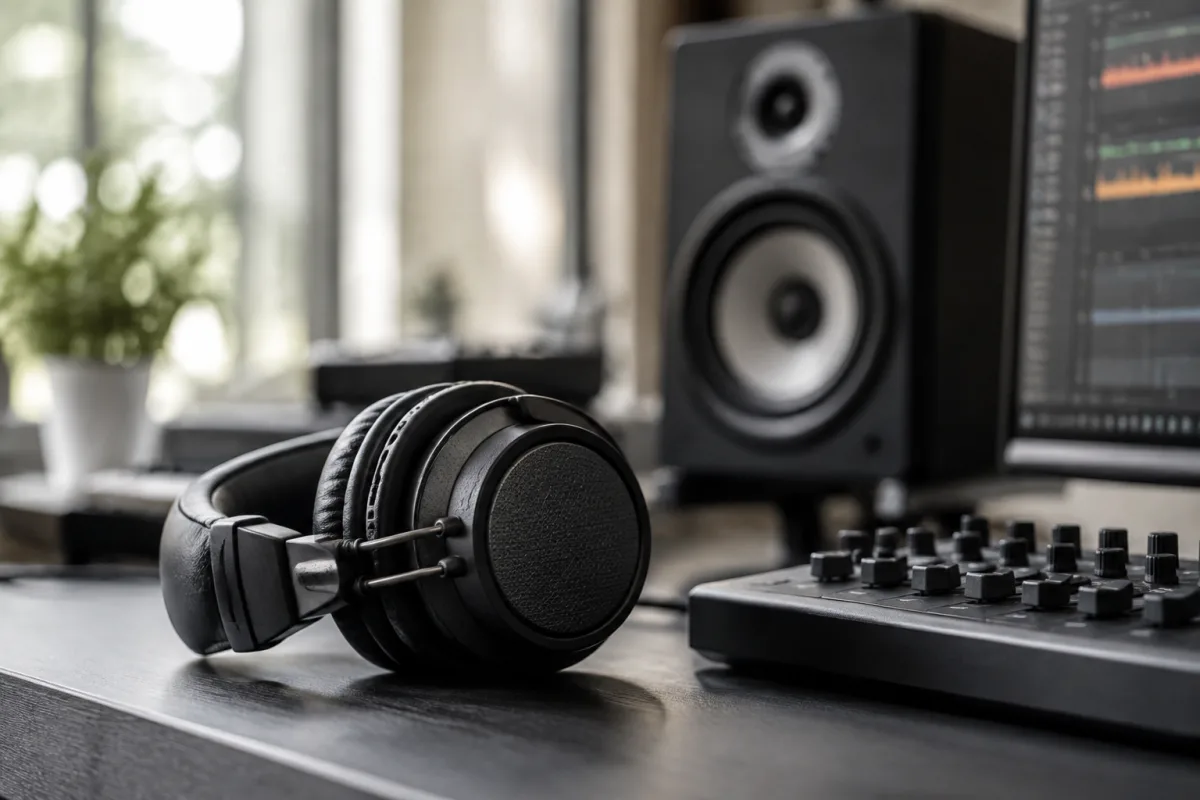
The humble headphone jack remains one of the most important connectors in any recording studio or portable music setup. Whether you're tracking vocals in a professional facility or monitoring a live performance, understanding the different types of headphone jacks and their characteristics can improve your workflow and protect your equipment. Modern studios still rely heavily on traditional connectors, even as wireless technology advances.
Types of Headphone Jacks
Several connector standards serve the music production industry. Each has distinct advantages and is optimised for different applications.
| Connector Type | Impedance | Common Use | Notes |
|---|---|---|---|
| 3.5mm (1/8") | 32 ohms | Portable, consumer | Standard for mobile devices and consumer headphones |
| 1/4" (6.35mm) TS | 250 ohms | Professional studios | Mono unbalanced; legacy standard for guitar and keyboard amps |
| 1/4" TRS | 250 ohms | Studio monitoring | Balanced stereo; professional headphone standard with better noise rejection |
| XLR | Variable | Premium headphones | Fully balanced; used on high-end studio monitoring headphones |
| USB-C/Lightning | Digital | Modern devices | Digital connection; increasingly replacing analogue jacks on portable gear |
Most recording studios favour 1/4" balanced connections on their headphone amplifiers and monitoring systems because balanced cables reject electromagnetic interference far more effectively than unbalanced alternatives. A standard headphone jack in 1/4" format uses three connection points: tip, ring, and sleeve (TRS), which carry the left channel, right channel, and ground respectively.
Why Impedance Matters
When selecting studio monitors or headphones for critical work, impedance is a key specification often overlooked by beginners. A headphone jack with higher impedance (such as the 250-ohm standard in professional 1/4" connectors) is designed to work with dedicated headphone amplifiers. The lower impedance of consumer 3.5mm jacks suits portable devices with built-in amplifiers.
Plugging high-impedance headphones into a low-impedance source (or vice versa) results in either inadequate volume, distortion, or both. Professional studios use proper impedance matching to ensure accurate monitoring and longevity of equipment. This is why a simple headphone jack connection requires more thought in a professional environment than it might seem.
Balanced vs. Unbalanced Jacks
The distinction between balanced and unbalanced connectivity is fundamental to professional audio. An unbalanced headphone jack carries the audio signal on a single conductor (aside from ground), making it susceptible to hum and noise picked up from nearby electrical equipment. A balanced jack uses two conductors carrying the same signal in opposite polarity; any interference is cancelled when the receiver interprets the difference.
In a studio setting, balanced connections reduce audible hum and maintain cleaner sound during monitoring, especially when running long cable runs or in electrically noisy environments. Most professional headphone amplifiers feature balanced 1/4" TRS jacks specifically because they're designed for noise-critical applications where every dB of signal purity counts.
Choosing the Right Headphone Jack for Your Setup
Your choice depends on your specific workflow and environment. Home studio hobbyists often work with 3.5mm connections because consumer headphones and audio interfaces default to this smaller, lighter standard. Professional tracking and mixing studios typically invest in dedicated headphone amplifiers with 1/4" balanced jacks to minimise interference and support multiple musicians monitoring simultaneously.
For live performance applications, consider durability and connectivity options. Stage monitors and in-ear monitoring systems often use 1/4" TS or TRS jacks because they're more robust and less likely to bend or break compared to fragile 3.5mm connectors. Cable length also plays a role: longer cable runs benefit more from balanced connections, whilst short runs in a quiet studio environment may be less affected by unbalanced jacks.
Adapting Between Jack Types
Professional musicians and engineers frequently need to bridge different connector standards. Passive adapters allow a device with a 3.5mm output to connect to equipment requiring a 1/4" jack input, and vice versa. However, these adapters introduce some audio quality loss and can introduce noise, particularly over long cable runs.
Active adapters and conversion solutions exist for more demanding applications, but they add cost and complexity. Whenever possible, using native connectors—matching your headphone jack to the output jack on your amplifier or interface—yields superior sound quality and reliability.
Cable Quality and Maintenance
The cable attached to any headphone jack is as important as the connector itself. Professional-grade cables use shielding to reject interference and quality connectors rated for repeated insertions. A headphone jack connection is only as good as its weakest link, so investing in proper cables pays dividends over time.
Regularly inspect your cables for fraying, bent connectors, or loose connections. A worn headphone jack or cable introducing intermittent contact can cause dropouts and frustration during critical recording sessions. Proper storage—coiling cables gently rather than wrapping them tightly—extends their lifespan considerably.
Digital Alternatives and the Future
Modern technology increasingly replaces traditional analogue jacks with digital connections: USB-C audio, Thunderbolt, and wireless protocols like aptX HD offer new possibilities. However, professional studios continue relying on traditional jacks because they require no power, offer latency-free monitoring, and have been refined over decades.
Wireless headphones present an attractive convenience factor but introduce latency unsuitable for real-time tracking and monitoring. Many engineers maintain a hybrid setup: wireless headphones for casual listening and traditional wired monitors with proper jacks for critical work.
The Bottom Line
Understanding headphone jacks—their impedance, balance characteristics, and proper application—is essential knowledge for anyone serious about studio work or live sound. Whilst the technology may seem simple on the surface, the difference between appropriate and inappropriate connector choices can measurably impact your monitoring accuracy and overall audio quality. Invest in proper equipment with the right jacks, maintain your cables carefully, and your monitoring chain will serve you reliably for years to come.


Comments