


Hifiman Headphones article
Hifiman Headphones for Beginners: A Complete Guide
Starting your recording journey with HIFIMAN headphones? This beginner-friendly guide covers getting started, ear training, common pitfalls, and how to maximize your investment from day one.
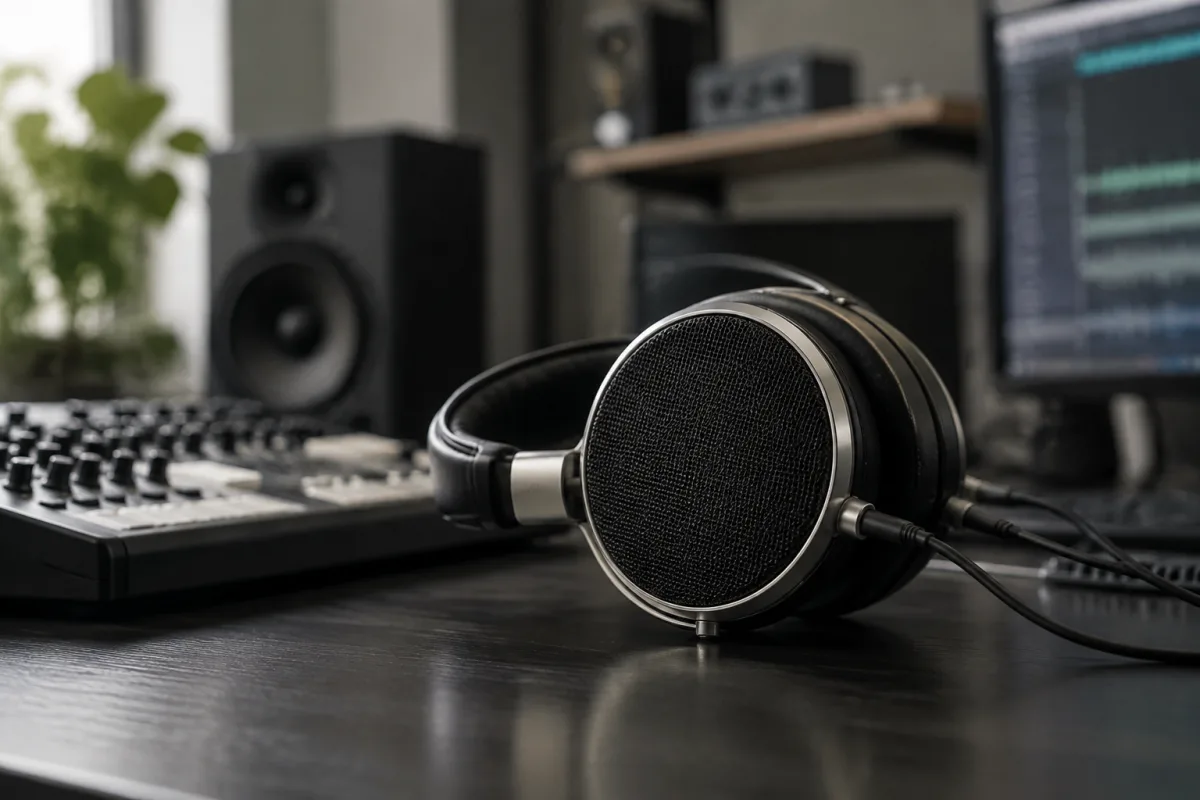
If you're beginning your journey in music production or audio engineering, investing in quality monitoring headphones is one of the first decisions you'll face. HIFIMAN headphones have earned a strong reputation among serious enthusiasts and professionals, but for a beginner, the brand's range and technology can feel intimidating. This guide removes that anxiety and shows you exactly how to get started with HIFIMAN headphones, what to realistically expect, and how to avoid common pitfalls that catch first-time buyers.
Why HIFIMAN Is Worth Considering as a Beginner
HIFIMAN's philosophy centers on delivering detailed, accurate sound reproduction. They're not primarily focused on consumer lifestyle headphones—they build gear for people who care deeply about audio quality. This mindset translates into products that perform exceptionally well for professional monitoring, mixing, and mastering at prices that don't demand professional-level budgets.
For beginners specifically, HIFIMAN offers several advantages. Their headphones reveal details in your recordings that cheaper alternatives might mask, which accelerates your learning curve. You'll hear mixing mistakes earlier and develop better ears faster. Additionally, HIFIMAN's customer support is genuinely helpful, and their community forums are active and welcoming to newcomers asking basic questions.
The build quality is another consideration. HIFIMAN headphones aren't disposable consumer electronics—they're built to endure years of daily studio use. If you're making a genuine investment in your recording setup, HIFIMAN models offer excellent longevity.
Understanding HIFIMAN's Technology and Design Philosophy
HIFIMAN is known for several proprietary technologies that define their approach to headphone design. Understanding these concepts helps you appreciate what you're buying and set realistic expectations.
- Planar Magnetic Drivers: Many HIFIMAN models use planar magnetic transducers rather than conventional dynamic drivers. This technology offers a wide soundstage and excellent detail retrieval, though some beginners initially find the sound signature unfamiliar compared to consumer headphones.
- Open-Back Design: Most HIFIMAN headphones are open-back, meaning sound escapes from the rear of the headphones. This creates a wider, more spacious soundstage but also means others nearby will hear what you're listening to, and external noise will intrude during recording sessions.
- Impedance and Sensitivity: Many HIFIMAN models have higher impedance than consumer headphones, meaning they need more amplification to reach comfortable listening levels. This is deliberate and ensures they work well with quality audio equipment, but it also means plugging them directly into your laptop might result in lower volume.
- Modular Cable System: HIFIMAN uses a proprietary connector system, making replacement cables or adapters necessary if you want to use your headphones with different sources. Budget accordingly.
Getting Started: Your First Session with HIFIMAN Headphones
When you unbox your new HIFIMAN headphones, resist the temptation to dive straight into critical listening. Give them time to settle—planar magnetic drivers, in particular, benefit from a break-in period where the drivers loosen and the sound character matures. Run them at moderate volume for 10-20 hours before forming opinions about their sonic qualities.
Position the headphones carefully on your head. HIFIMAN's headband design distributes weight across your skull differently than consumer headphones, and proper positioning ensures comfortable, long-term wear. The ear cups should sit around your ears, not pressed directly against them.
Start mixing or monitoring at moderate volume levels—around 85dB is a professional standard that prevents ear fatigue and protects your hearing. Beginners often monitor too loudly, which leads to mixing decisions you'll regret when your mix translates to other playback systems.
Common Beginner Mistakes with HIFIMAN Headphones
Expecting them to sound like consumer headphones. HIFIMAN headphones are monitoring tools, not entertainment headphones. They prioritise accuracy over flattery. If your mixes sound thin or weak through HIFIMAN headphones, that's valuable information about your mixing, not a flaw in the headphones. Trust them.
Plugging them directly into a laptop or smartphone. Most HIFIMAN models need more amplification than these devices provide. Invest in a small headphone amplifier (£50-150) to unlock their full potential. This single purchase will transform your experience.
Comparing them back-to-back with consumer headphones. Consumer headphones colour the sound with bass boost and presence peaks designed to impress during casual listening. HIFIMAN's flat, accurate response will sound thin by comparison—that doesn't mean they're failing; it means they're doing their job correctly.
Ignoring the cable connection system. HIFIMAN's proprietary connectors are durable but different from industry standards. Keep your original cables and carefully insert replacements, or you'll damage the connections. This isn't a weakness, just a detail to respect.
Skipping the comfort break-in period. Open-back headphones take time to feel natural. Wear them during casual listening for a week before using them for critical mixing. Your ears need to adjust to the soundstage and how it differs from studio monitors.
Choosing Your First HIFIMAN Model
| Category | Best For Beginners | Key Characteristics |
|---|---|---|
| Entry-Level (£200-500) | First-time HIFIMAN buyers, limited budgets, bedroom producers | Solid accuracy, comfortable for extended wear, good value, may need amplification |
| Mid-Range (£500-1,200) | Serious hobbyists, small professional studios, dedicated monitoring | Superior detail, excellent soundstage, professional-grade performance, benefits from dedicated amplification |
| Premium (£1,200+) | Professional mastering, reference-quality monitoring, long-term investment | Exceptional sonic character, legendary model heritage, approaching professional studio standard |
Setting Up Your Complete Monitoring Chain
HIFIMAN headphones perform best as part of a complete signal chain. Don't skimp on the supporting equipment—that defeats the purpose of investing in quality headphones.
- Audio Interface: Use a decent audio interface with quality headphone output. Many budget interfaces have noisy or underpowered headphone stages that undermine excellent headphones.
- Headphone Amplifier: Consider a dedicated headphone amp for £50-200. This single addition often improves HIFIMAN headphone performance more dramatically than upgrading headphone models.
- Quality Cables: Use the cables that shipped with your headphones. Replacement cables from reputable manufacturers are fine, but avoid generic substitutes.
- Headphone Stand or Hanger: Store your HIFIMAN headphones on a stand or hanger, not coiled up in a bag. This preserves the headband shape and extends lifespan.
Building Your Ear Training with HIFIMAN Headphones
Your first month with HIFIMAN headphones is primarily about ear training. Listen to professionally mixed references—songs you admire, commercial releases, properly engineered productions. Spend time just listening to how professional mixes balance instruments, how they place effects in the stereo field, and how they handle dynamics.
This reference listening is more valuable than any manual or course. Your HIFIMAN headphones will let you hear professional production decisions with unusual clarity. Learn from them.
Keep detailed notes on your first mixes. Months later, when you've improved significantly, you'll look back and understand exactly how your ears have developed. HIFIMAN headphones are the tool that made that improvement possible.
Maintenance and Long-Term Care
HIFIMAN headphones are built to last, but they benefit from basic maintenance. Clean the headband and ear cups regularly with a soft, damp cloth. Check cable connections periodically and gently wiggle them to ensure a solid fit. Store them in a cool, dry place away from direct sunlight.
Most HIFIMAN models have replaceable ear pads and cables available from the manufacturer. When ear pads eventually degrade (typically after 2-3 years of heavy use), replacing them is straightforward and costs £20-50. This modularity extends the life of your investment significantly.
Taking Your Next Step
Choose a HIFIMAN model matched to your budget and primary application. If you're solely doing casual home recording, an entry-level model is genuinely adequate. If you're serious about learning mixing and mastering, investing in mid-range equipment is worthwhile. Start with quality reference listening, invest in a modest headphone amplifier, and trust the accuracy these headphones provide.
For deeper technical exploration and detailed model comparisons, see the complete guide to HIFIMAN headphones.


Comments