
Headphones Wireless Noise Cancelling article
The Complete Guide to Headphones Wireless Noise Cancelling
Explore wireless noise-cancelling headphones for music production and listening. Understand ANC technology, codec options, comfort factors and which models suit musicians best.
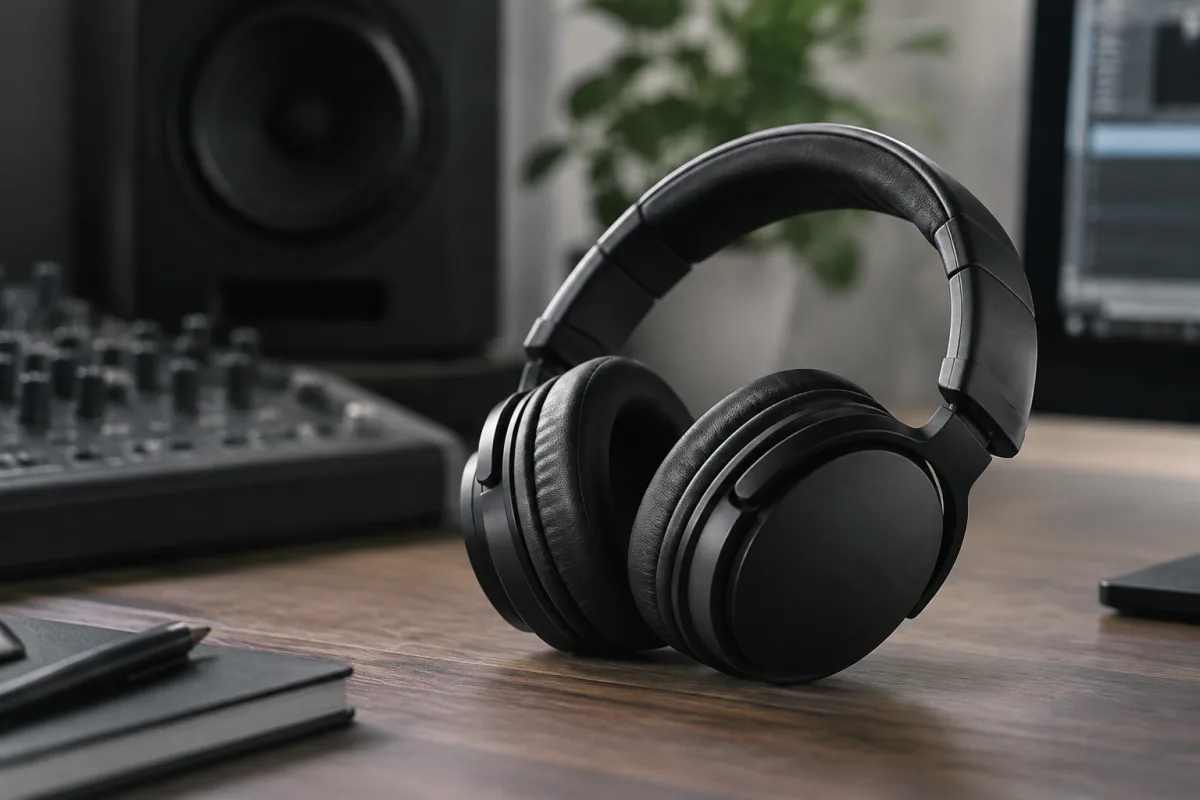
Wireless Noise-Cancelling Headphones for Music: A Complete Guide
Modern wireless noise-cancelling headphones have transformed how musicians, producers and music lovers experience audio. They let you focus on music without the distraction of environmental noise, whether you're working in a noisy studio, commuting with a portable player, or simply wanting to enjoy albums without interruption. This guide explains how noise cancellation works, what to look for, and whether these headphones suit your needs.
How Noise-Cancelling Technology Works
Noise-cancelling headphones use active noise cancellation (ANC)—a clever technology that fights unwanted sound with opposite sound waves. The headphones have built-in microphones that listen to ambient noise, analyse it, and emit inverse sound waves that cancel it out. This happens continuously in real time.
The result is silence, or at least profound quiet that allows the music through clearly. Lower frequencies (traffic rumble, aircraft noise) are easiest to cancel. Higher frequencies (conversation, keyboard clicks) are harder to completely eliminate, though good headphones still reduce them significantly.
Active vs. Passive Noise Cancellation
It's worth understanding the difference. Passive noise cancellation relies entirely on the physical seal of the headphones around your ears—the padding and design simply block sound. Every pair of headphones has some passive isolation.
Active noise cancellation (ANC) adds electronics—microphones, processors and speakers—to cancel noise electronically. The best wireless noise-cancelling headphones combine both techniques for maximum isolation. The passive seal prevents some noise reaching the microphones, making the ANC system's job easier and more effective.
Benefits for Musicians and Producers
Wireless noise-cancelling headphones offer specific advantages in music contexts:
- Reference mixing: Producers can hear music in detail without being distracted by studio noise or external traffic.
- Instrument recording: When overdubbing vocals or instruments, these headphones help you hear the backing track clearly without bleed into your microphone.
- Portable listening: Your compressed file or streaming audio sounds better when noise is minimised.
- Commute comfort: Travel to gigs or sessions without draining focus on conversations or vehicle noise.
- Tinnitus relief: For some musicians, ANC creates a safe, quiet space for focused listening and practice.
Wireless Connectivity Options
Most modern wireless noise-cancelling headphones use Bluetooth, typically the latest standards like Bluetooth 5.0 or 5.1. This offers wireless freedom and easy pairing with phones, tablets and computers.
Bluetooth latency—the delay between audio leaving your device and reaching your ears—is usually 100–400 milliseconds. For casual listening, this is imperceptible. For live monitoring during recording, it can be problematic if the delay is too high. Look for headphones advertised as having low-latency gaming profiles, which often use faster codecs like aptX LL (low-latency) or LDAC.
Some headphones also include a 3.5mm wired connection or USB-C cable for lower-latency scenarios. This hybrid approach gives you the best of both worlds—wireless convenience and wired precision when needed.
Battery Life and Charging
Wireless noise-cancelling headphones are powered by rechargeable batteries, usually lithium-ion. Typical battery life ranges from 20 to 40 hours with noise cancellation on. Most are USB-C rechargeable, taking 2–3 hours for a full charge.
For musicians on the road or working long sessions, longer battery life is essential. Check the manufacturer's claims and read reviews to confirm real-world performance—battery life varies with volume level and whether ANC is actively running.
Sound Quality and Audio Codecs
The best wireless noise-cancelling headphones prioritise clean, flat audio for critical listening. Avoid models with excessive bass boost or consumer-oriented tuning that colours the music.
Audio codec matters too. Standard SBC (Sub-band Coding) Bluetooth is adequate but lower quality. Better options include AAC, aptX, or Sony's LDAC, which transmits more audio data over Bluetooth and supports high-resolution audio up to 32-bit/96kHz. For precise mixing, these higher-fidelity codecs make a real difference.
Comfort for Extended Wear
Musicians and producers often wear headphones for hours during sessions. Comfort is non-negotiable. Look for:
- Lightweight design (under 300 grams is ideal)
- Soft, breathable ear pad materials that don't trap heat
- Adjustable headband with even weight distribution
- Replaceable ear pads for long-term durability
- A secure fit that stays in place during movement
Reading user reviews specifically about comfort during long sessions gives you reliable feedback on this crucial factor.
Common Drawbacks of Wireless Noise-Cancelling Headphones
These headphones aren't perfect for every situation. The microphones can pick up wind noise when outdoors, creating a distracting whooshing sound. Some people experience ear pressure or mild discomfort from the ANC effect itself. The battery drains faster with ANC on, and you're dependent on charging. Finally, wireless interference from other Bluetooth devices can occasionally cause dropouts or audio quality loss.
Budget Considerations
Wireless noise-cancelling headphones range from under GBP100 to over GBP400. Budget models offer basic ANC and Bluetooth but may sacrifice sound quality and comfort. Mid-range options (GBP150–250) hit a sweet spot with good ANC, decent audio and comfortable construction. Premium models add refinements like superior sound quality, longer battery life and premium build materials.
For professional music work, investing in mid-range or premium headphones pays dividends. Cheap ANC headphones often make audio sound unnatural, defeating the purpose of critical listening.
Top Use Cases for Musicians
Wireless noise-cancelling headphones excel in specific scenarios: mixing and mastering in less-than-ideal acoustic environments, monitoring during recording sessions, practising instruments without disturbing others, commuting to rehearsals, and casual listening to finished mixes. They're less critical for measuring mic placement during live tracking or for reference listening in an already-silent studio where passive isolation and flat speaker monitoring are preferred.
Choose wireless noise-cancelling headphones based on your specific needs. For focused listening and portable comfort, they're excellent. For mission-critical studio work, pair them with proper studio monitors and acoustic treatment for best results.



Comments