
Headphone Amplifier for Guitar article
The Complete Guide to Headphone Amplifier For Guitar
A headphone amplifier for guitar lets you practice silently with authentic amp tones and effects, any time, anywhere. Perfect for apartments, late-night sessions, and professional recording.
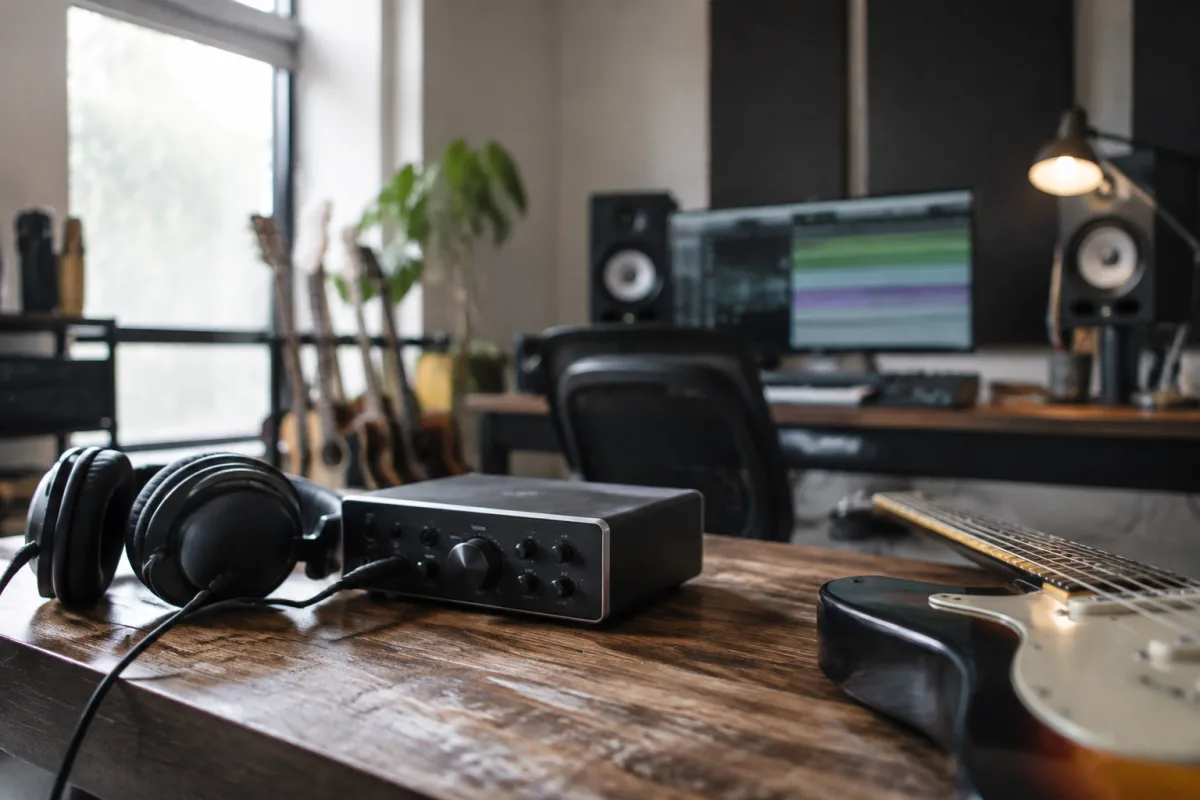
A headphone amplifier for guitar opens entirely new possibilities for silent practice, late-night creativity, and portable performance monitoring. These compact, intelligent devices connect between your electric guitar and headphones, providing amp simulation, tone shaping, and effects processing that transform direct guitar signals into expressive, lifelike amplified tones—all delivered privately through your ears. Whether you're sharing cramped apartment quarters, practising during ungodly hours, or simply seeking maximum convenience and portability, a quality headphone amplifier for guitar eliminates the need for bulky amplifiers whilst delivering genuine, rewarding tone and creative flexibility.
Understanding Headphone Amplifiers for Guitar
A headphone amplifier for guitar serves a straightforward but revolutionary purpose: it takes your guitar's raw signal and processes it into amplified, shaped tones that feel and sound genuinely musical when delivered through headphones. Unlike simple headphone outputs on practice amplifiers, a dedicated headphone amplifier for guitar typically employs advanced audio processing—often including digital amp modelling, speaker simulation, effects processing, and sophisticated tone controls—to deliver results rivalling actual guitar amplifiers. Modern designs combine portability with sophisticated features, making the headphone amplifier for guitar genuinely indispensable for today's guitarist's toolkit.
The appeal is immediate: absolute silence to your neighbours and housemates, unlimited practice freedom at three in the morning, portability for travelling musicians, and a direct, intimate connection to your instrument that some players actually prefer to traditional amplifiers. A quality headphone amplifier for guitar doesn't merely muffle your playing—it elevates practice sessions into genuinely creative, expressive experiences.
Key Technologies in Headphone Amplifiers for Guitar
Amp Modelling
Modern headphone amplifier for guitar units employ sophisticated digital models of classic and contemporary amplifiers, allowing endless sonic exploration through a single compact device. You can switch between tube amp warmth, solid-state crunch, and boutique amp characters instantly, discovering new tones and creative directions without investment in multiple physical amplifiers. This flexibility makes a headphone amplifier for guitar exceptionally educational, allowing experimentation with tone concepts before committing to purchases.
Speaker Simulation and Impulse Response
A headphone amplifier for guitar typically includes speaker cabinet simulation—digital models of various speaker types and cabinet configurations—combined with impulse response technology that captures real amplifier speaker characteristics. This ensures that tones reaching your headphones closely approximate how your signal would sound through an actual amplifier, preventing the hyped or artificial quality that simple headphone outputs sometimes deliver. Speaker simulation is genuinely crucial for a headphone amplifier for guitar to sound authentic and musically satisfying.
Effects Processing
Built-in effects—reverb, delay, chorus, modulation, and distortion—transform a headphone amplifier for guitar from a mere monitoring device into a complete creative tool. These effects allow genuine musical expression, enabling players to explore textural and atmospheric possibilities that inspire creativity and make practice sessions genuinely enjoyable rather than merely utilitarian.
Common Types and Configurations
| Type | Characteristics |
|---|---|
| USB Headphone Amp for Guitar | Connects via USB to computer; excellent for recording and DAW integration |
| Portable Battery Headphone Amplifier | Compact, wireless or hardwired; perfect for practice anywhere, including travel |
| Pedal-Format Headphone Amplifier | Fits into pedalboard setups; integrates seamlessly with existing gear |
| Digital Multi-Effects Headphone Amp | Combines comprehensive effects suite with amp modelling; extremely versatile |
| Compact Solid-State Headphone Amp | Lightweight, affordable option with simple tone controls; straightforward operation |
Essential Features to Consider
Quality headphone amplifier for guitar models share several important characteristics. Excellent low-latency performance is crucial—audio delay between playing and hearing your signal creates frustrating disconnection that undermines musical responsiveness. A good headphone amplifier for guitar ensures imperceptible latency, maintaining the immediate cause-and-effect relationship that makes playing satisfying.
Intuitive control layouts matter significantly. A well-designed headphone amplifier for guitar presents essential controls logically, allowing quick adjustments without overwhelming menus and complexity. Whether you prefer knobs or digital interfaces depends partly on personal taste and partly on your use case—live pedal deployment favours analogue simplicity, while studio work may benefit from digital precision.
Impedance compatibility ensures your headphones work properly with your chosen headphone amplifier for guitar. Most modern units handle standard headphone impedances well, but checking specifications prevents disappointing sonic results. Additionally, headphone amplifier for guitar units with adjustable output level prevent dangerously loud signals that could damage hearing or distort headphone drivers.
Advantages for Different Musicians
Bedroom practitioners benefit enormously from a headphone amplifier for guitar, transforming midnight inspiration sessions into reality without waking the household. Jazz improvisers appreciate the nuanced tonal control and immediate responsiveness that quality models deliver. Recording musicians value USB connectivity that routes guitar signals directly into digital audio workstations for layering and production. Gigging musicians employ pedal-format headphone amplifiers for guitar to monitor their own playing during performances in band contexts, ensuring confidence in pitch and timing regardless of floor monitors.
Beginners find a headphone amplifier for guitar incredibly encouraging—practising with genuine, satisfying tones is far more motivating than silent, feedbackless practise. Experienced players use them for focused listening sessions where distractions and ambient noise are eliminated, allowing deep concentration on technique and musicality.
Recording and Integration
Many headphone amplifier for guitar models include USB output or digital interfaces, allowing direct computer integration for recording and production work. This dual-purpose capability transforms your headphone amplifier for guitar into a genuine recording interface, eliminating separate purchases and simplifying signal routing. Artists can layer guitar parts, experiment with effects chains, and create polished recordings without bulky studio gear, making a headphone amplifier for guitar genuinely indispensable for home recording enthusiasts.
Maintenance and Durability
Quality headphone amplifier for guitar units prove remarkably durable, with solid-state construction requiring minimal maintenance beyond occasional cleaning. Battery-powered models need periodic charging, whilst mains-powered units need only proper ventilation and protection from moisture. Most reputable manufacturers offer reasonable warranty coverage, and the straightforward electronics in modern headphone amplifier for guitar models rarely fail prematurely with proper care.
Conclusion
A headphone amplifier for guitar represents intelligent investment for any guitarist serious about improving and enjoying their practice sessions. Whether you prioritise silent practice, portable versatility, home recording capability, or simply access to expressive, authentic tones through headphones, a quality headphone amplifier for guitar delivers genuine musical satisfaction and creative freedom. The technology has matured sufficiently that even affordable models deliver impressive tone and reliability, making this investment accessible to guitarists across all budgets. Transform your practice from frustrating limitation into creative liberation with a headphone amplifier for guitar that inspires confident, expressive playing any time, anywhere.


Comments