


Headphone Amp Behringer Buying guide
Headphone Amp Behringer: A Complete Buyer's Guide
Selecting a headphone amp Behringer solution improves your studio monitoring experience. This guide covers power output, connectivity options, build quality, and value across different models.
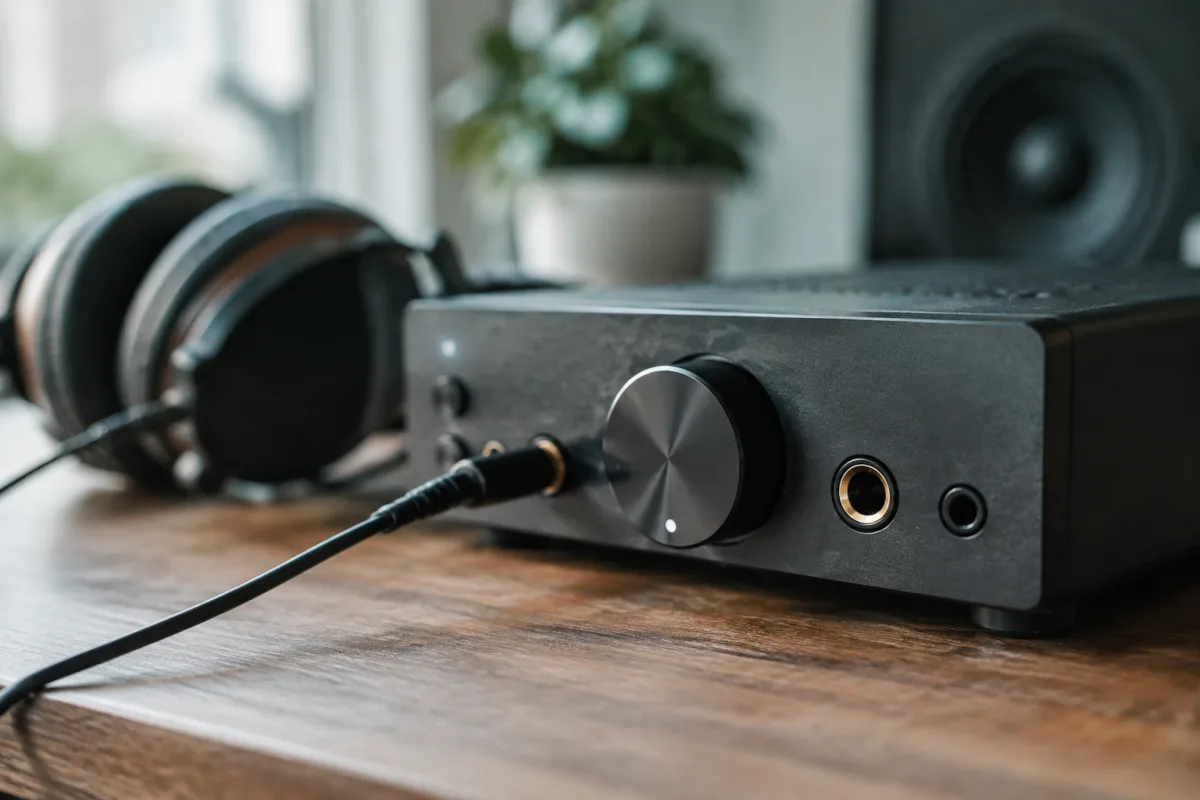
For musicians and producers working in home studios or on-the-go, a quality headphone amplifier is often an overlooked but essential piece of equipment. A headphone amp behringer solution provides clean amplification specifically designed for headphone listening, dramatically improving audio quality during mixing, recording, and personal monitoring. Behringer has established itself as a reliable manufacturer of affordable studio equipment, making headphone amp behringer products a compelling option for budget-conscious musicians and producers. This buying guide walks you through the practical considerations—power output, connectivity options, headphone quality, and price points—that distinguish a useful headphone amp from a purchasing regret.
Understanding Headphone Amplifier Basics
A headphone amplifier sits between your audio source and your headphones, serving several important functions. First, it boosts audio signal strength to drive headphones properly, ensuring adequate volume and dynamic range. Second, quality headphone amps reduce distortion compared to plugging headphones directly into most mixing consoles or audio interfaces. Third, some headphone amps include mixing capabilities, allowing multiple audio sources to be blended together. Behringer headphone amp models vary in complexity—basic models simply amplify and switch between audio sources, whilst more sophisticated units include mixing features, phantom power, or advanced connectivity options. Understanding your specific needs prevents overpaying for features you won't use or purchasing an amp lacking essential functionality.
Power Output and Impedance Matching
Power output, measured in milliwatts, directly affects which headphones your amp can drive effectively. Low-impedance headphones (under 80 ohms) require more power, whilst high-impedance headphones (over 200 ohms) demand less but deliver superior audio quality. Behringer headphone amps typically deliver 100–500 milliwatts, adequate for most professional and consumer headphones. Check your headphone specifications against your amp's output rating—mismatched pairs waste audio quality. Most Behringer models are optimised for standard studio headphones (80–250 ohm impedance), a common range for professional monitoring. If you're using unusual headphones—particularly high-impedance vintage models—research compatibility carefully. Insufficient power results in inadequate volume, distortion, or poor dynamics; excessive power into sensitive headphones can cause distortion and even damage.
Input Options and Connectivity
Behringer headphone amps offer various input configurations depending on model. RCA inputs are standard on entry-level models, allowing connection to mixing consoles, audio interfaces, and many studio devices. Some models include XLR inputs, beneficial if you're integrating into professional studio chains. USB connectivity, available on certain Behringer units, allows direct connection to computers, useful for DAW-based recording and streaming applications. Check which audio sources you'll actually connect—USB-only amps limit flexibility if you also need to monitor from a mixing console. Conversely, USB connectivity is increasingly valuable in modern studios. Consider whether your current and future setup will benefit from specific input options; a versatile amp with multiple input types provides longevity and flexibility as your studio evolves.
Headphone Outputs and Monitoring Features
Entry-level Behringer amps offer single stereo headphone outputs. Professional models include dual headphone outputs, enabling different monitoring situations simultaneously—one set for you, another for a guest or vocal performer during recording sessions. Some models feature individual volume controls per headphone output, crucial for studio work where monitor levels differ between performers. Investigate whether you need multiple headphone outputs; if you're recording solo or working alone, dual outputs might be unnecessary. However, if you're recording with other musicians or want flexibility, dual outputs with independent volume become invaluable features. Feature evaluation prevents purchasing either unnecessarily complex gear or gear that later proves limiting.
Build Quality and Durability Considerations
Behringer equipment is known for solid construction at competitive prices, though build quality varies by model. Examine the enclosure material—metal chassis generally outperform plastic, particularly for professional studio settings. Check for robust input and headphone connectors that feel secure when plugged in. Read user reviews specifically regarding durability; some Behringer models develop issues after extended use, whilst others prove remarkably reliable. Look for warranty coverage—standard one or two-year warranties indicate manufacturer confidence in durability. A slightly more expensive model with proven reliability often proves more cost-effective than a cheaper unit requiring replacement after a year.
Price Ranges and Value Assessment
Behringer headphone amps span a wide price range, reflecting feature differences and build quality variations. Entry-level models (£40–£80) offer basic amplification with single headphone output, suitable for bedroom producers and hobbyists. Mid-range units (£80–£150) add features like dual headphone outputs, mixing capability, or improved build quality. Professional models (£150+) incorporate multiple inputs, advanced monitoring features, and superior audio quality. For most producers, mid-range Behringer headphone amps deliver excellent value—they're significantly more capable than budget options without premium pricing. Spending extra for professional models is justified only if you genuinely need their advanced features. Honestly assess your actual needs rather than purchasing based on feature lists alone. Visit our complete guide to headphone amp behringer for detailed specifications on specific models.
Audio Quality and Sonic Characteristics
Quality headphone amps preserve audio fidelity throughout the signal chain, important for accurate monitoring during mixing and recording. Behringer amps maintain clean, transparent amplification—they don't colour the audio notably, allowing you to hear your recordings accurately. Some engineers prefer warmer or more characterful amplification, but for professional work, transparency is typically desirable. Research user feedback regarding audio quality for specific models you're considering; most Behringer headphone amps receive positive reviews for clean, distortion-free amplification. If you're considering modifying or customising your amp, factor those costs into your purchase decision—some users upgrade components for improved performance, adding to the initial purchase price.
Avoiding Common Purchasing Mistakes
Many producers purchase overly complex headphone amps they never fully utilise. Resist the urge to buy equipment based on feature lists alone; instead, focus on what you actually need. Don't assume cheaper always means inferior—Behringer's budget models often deliver good value. Conversely, don't assume you need the most expensive option available. A mid-range Behringer amp often outperforms a bargain-basement option from unknown manufacturers. Avoid purchasing without checking compatibility with your existing headphones and audio equipment. Finally, don't neglect warranty and customer support when making your decision. Reliable customer service matters when equipment fails or malfunctions.
Integration into Your Studio Setup
Your chosen headphone amp must integrate smoothly into your existing studio. Consider physical space—some models are compact desktop units, whilst others require racking or shelving space. Evaluate cable requirements; you'll need appropriate cables for your chosen inputs and outputs. Consider whether the amp will sit on your desk, on a shelf, or be racked into your studio setup. Think about heat dissipation, particularly for powerful amps that generate heat during extended use. Proper integration prevents frustration and ensures your gear functions optimally within your workspace.
Making Your Final Selection
Choosing a Behringer headphone amplifier involves balancing your budget, required features, audio quality expectations, and integration needs. Honestly assess what you actually require rather than purchasing based on brand reputation alone. Entry-level models suit home recording hobbyists, mid-range options serve serious producers, and professional models suit commercial studios and touring situations. Research specific models carefully, read user feedback, and verify compatibility with your existing equipment. A quality headphone amp from Behringer provides years of reliable service and significantly improves your monitoring experience during recording, mixing, and personal listening sessions.


Comments