


Genelec Speakers roundup
Genelec Speakers: A Complete Buyer's Guide

Purchasing Genelec speakers requires understanding your studio needs, budget, and physical space. This guide walks you through the essential considerations, helping you select the perfect Genelec speakers for your setup. Whether you're upgrading from old passive monitors or building your first professional studio, making an informed choice ensures years of satisfying mixing and production work. The decision to invest in quality monitoring represents one of the most important purchases any serious producer can make, setting the foundation for every mixing decision that follows.
Understanding Your Studio Space
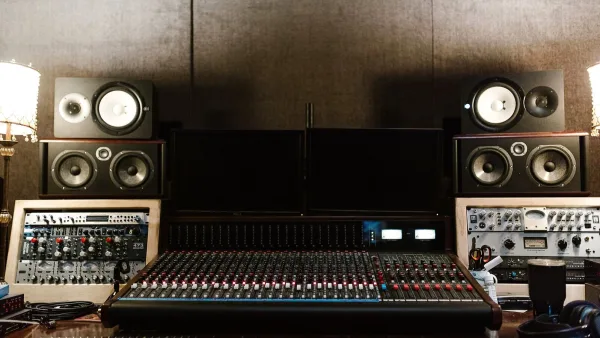
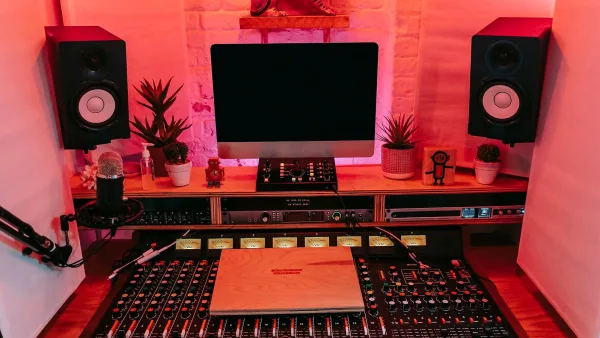
Before shopping for Genelec speakers, measure your workspace and assess the room's acoustic properties. Small bedrooms demand different speaker sizes than commercial studios. Genelec speakers come in multiple sizes—typically 4, 5, 6, and 8-inch woofer options—each optimised for specific room volumes. Choosing the right size for your space prevents overdriven speakers or insufficient bass response. Consider how sound travels in your room, noting whether hard reflective surfaces dominate or whether soft furnishings absorb energy. This acoustic inventory informs whether you'll need smaller nearfield monitors or can accommodate larger mid-field systems.
Budget Considerations
Genelec speakers span various price points, from entry-level models around £500 to professional-grade systems exceeding £3,000 per pair. Determine your budget early, as this constraint narrows your options considerably. Remember that Genelec speakers often retain value well, making them solid long-term investments even if your initial budget feels tight. Quality monitoring should represent approximately 10 to 20 percent of your total studio budget, ensuring you allocate resources appropriately across microphones, interfaces, and acoustic treatment alongside your speakers.
Near-Field vs Mid-Field Genelec Speakers
Near-field models place closer to your mixing position, ideal for small rooms and home studios. Typically positioned 3 to 5 feet from your ears, these Genelec speakers deliver direct sound to your position before room reflections confuse the signal. Mid-field Genelec speakers position further away, delivering more room acoustic integration and fuller soundstage. Most home producers favour near-field monitors, whilst professional facilities often employ mid-field systems. Understanding this distinction helps you select appropriate Genelec speakers for your workflow and physical constraints. Some studios employ both nearfield and mid-field Genelec speakers for comprehensive reference monitoring.
Key Specifications to Compare
Examine frequency response range, maximum SPL output, and driver sizes when comparing Genelec speakers. Wider frequency response ensures balanced monitoring across the spectrum, though all Genelec models prioritise flat response above extended extremes. Higher maximum SPL proves useful if you prefer working at higher monitoring levels, though research shows lower monitoring levels often lead to better mixing decisions and healthier hearing. Larger drivers typically deliver deeper bass but require more physical space. Input connectivity also matters—ensure your preferred Genelec speakers include input types matching your audio interface outputs.
Connectivity and Controls
Most Genelec speakers offer XLR, RCA, or USB connectivity options. Check which inputs match your audio interface outputs. Look for models with intuitive rear panel controls, including input level adjustment and boundary compensation switches. Some premium Genelec speakers include app-based control for convenient parameter tweaking, though this luxury remains optional for most users. USB connectivity enables direct computer connection, useful if running audio directly from your DAW without a dedicated interface, though professional setups typically employ balanced XLR connections for maximum noise rejection.
Reading Genelec Speaker Specifications
Understanding spec sheets helps you compare Genelec speakers effectively. Frequency response specifications like "50Hz to 25kHz" indicate the range within which the speaker maintains relatively flat output. Maximum SPL ratings tell you the loudest level the speaker can produce without excessive distortion. Woofer and tweeter sizes suggest the speaker's physical characteristics and typical placement applications. Impedance specifications, typically 4 ohms for powered speakers, matter less with active monitors than passive speakers since the amplifier is designed specifically for that impedance.
Where to Purchase Genelec Speakers
Buy Genelec speakers from authorised retailers to ensure warranty coverage and support. Major music retailers stock popular models, whilst specialist audio shops provide expert guidance. Online options offer competitive pricing, though hearing speakers before purchasing remains valuable. Reputable retailers like Sweetwater, B&H Photo, and Sound on Sound advertisers maintain authorised dealer status and typically stand behind their products. Many shops offer in-home trials or extended returns periods, recognising that speaker selection depends partly on individual room acoustics and personal preference beyond objective measurements.
Making Your Final Decision
Listen to multiple Genelec speakers if possible, particularly at your chosen price point. Audition them in treated rooms or at least on demo stands that minimise room acoustic interference. Trust your ears—Genelec speakers should sound natural and encouraging, not fatiguing or overly hyped. Consider returning to the same speakers on multiple visits, as ears require time to acclimate to new reference monitors. Opinions from producers you respect matter less than your own experience, since everyone's ears work differently and personal preference plays a legitimate role in monitoring selection.
Conclusion
Buying Genelec speakers means prioritising accuracy and reliability in your monitoring chain. By understanding your space, budget, and requirements, you'll select speakers that serve your production goals beautifully for years to come. The investment pays dividends through every mix you create, justifying careful deliberation before purchase.




Comments