


Beats Headphone Blue article
The Complete Guide to Beats Headphone Blue
Beats blue headphones deliver engaging, bass-heavy sound with distinctive aesthetics and seamless Apple integration. Ideal for casual listening, they prioritise style and ecosystem compatibility over studio-accurate audio reproduction.
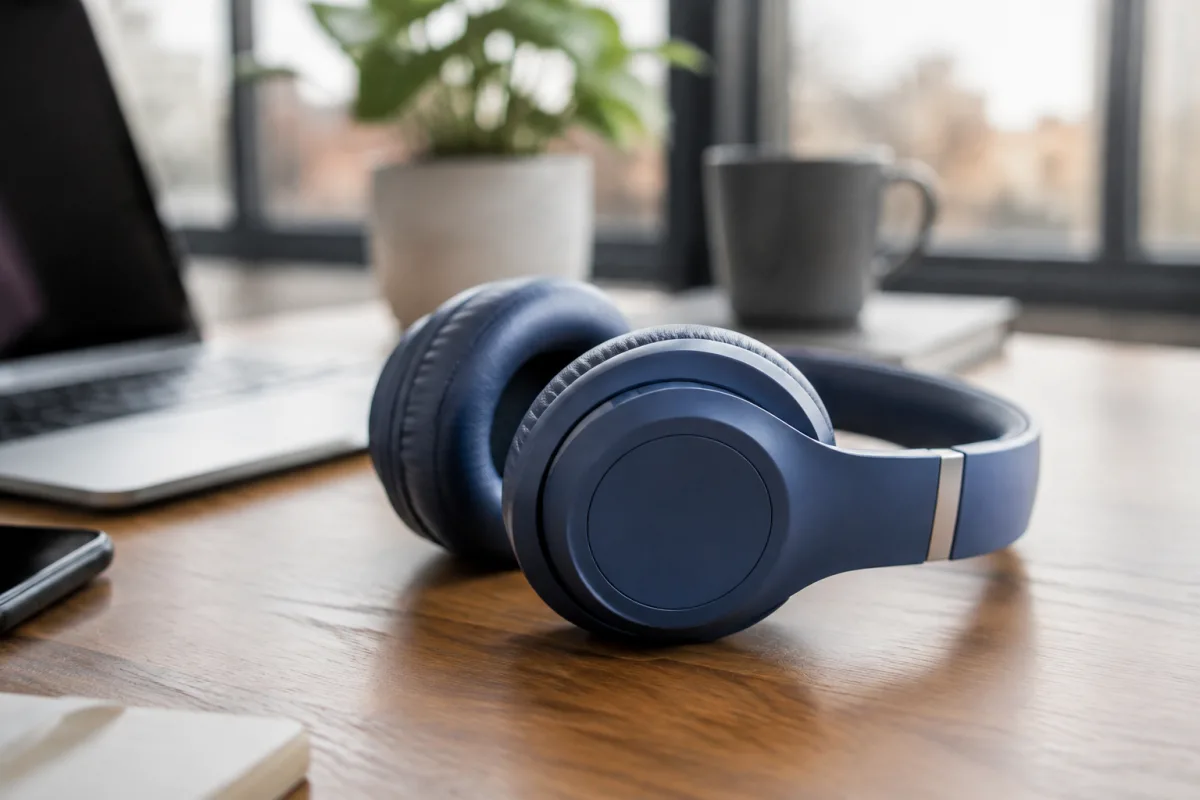
Beats headphones have become ubiquitous—you see them everywhere from tube carriages to recording studios to professional sporting events. The blue colour option represents one of the most popular choices, striking a balance between visibility and aesthetics. Yet when considering Beats headphones blue, genuine audio quality questions often get lost behind branding and fashion appeal. Understanding what you're actually buying—sonically and functionally—clarifies whether Beats blue headphones justify their premium price or represent expensive mediocrity dressed in distinctive packaging.
Beats Headphones: Brand and Reality
Beats Audio was founded in 2006 by Dr. Dre and Jimmy Iovine, initially as a high-end audio company. Apple acquired Beats in 2014 for three billion pounds, making it the largest acquisition in Apple's history at that time. This acquisition mattered because it gave Apple direct control over Beats hardware development and integration with Apple's ecosystem. Modern Beats headphones are genuinely Apple products wearing Beats branding.
This history matters when evaluating Beats headphones blue. You're not buying from an independent audio company obsessed with sound engineering. You're buying from Apple, using Beats' heritage and aesthetic. This isn't inherently bad—Apple makes quality products—but it explains why Beats headphones prioritise ecosystem integration and fashion over pure audio excellence.
Design and Aesthetics of Beats Blue
The blue colour option on Beats headphones sits somewhere between professional and conspicuous. It's dark enough to look serious in studio contexts but distinctive enough that wearing Beats blue headphones makes a statement. This intentional aesthetic choice reflects Beats' positioning—premium products worn openly rather than anonymous tools hidden under hoodies.
The physical design of Beats headphones has remained remarkably consistent. The ear cups are relatively large and flat, the headband is padded reasonably, and the cable routing (on wired models) is straightforward. Beats blue headphones feel well-constructed, though not dramatically different from competitors at similar prices.
Comfort is adequate but not exceptional. Extended listening sessions reveal that the ear cup padding compresses over time and the headband pressure becomes noticeable after a few hours. For casual listening and travelling, Beats blue headphones work fine. For studio monitoring spanning full days of work, you'll notice the discomfort before budget alternatives.
Sound Quality: What You Actually Hear
Beats headphones have been criticised by audio engineers for decades: bass-heavy, scooped midrange, and generally coloured rather than neutral. These criticisms remain valid. Beats blue headphones, like all Beats models, emphasise bass frequencies—creating a "fun" sound optimised for contemporary music production where heavy bass is standard.
For listening to pop, hip-hop, and electronic music, Beats blue headphones sound very good. The bass is satisfying without overwhelming. The treble is present enough for clarity. The overall sonic signature is energetic and engaging. For critical listening, orchestral music, and detailed acoustic recording, Beats blue headphones are less ideal—the bass emphasis obscures subtle midrange detail.
Compared to professional studio monitors (Audio-Technica, Sony MDR-7506, Sennheiser HD650), Beats blue headphones are significantly less accurate. Compared to casual consumer headphones at similar prices, they're competitive. The question is whether you value accuracy or engaging sound—Beats chooses the latter.
Active Noise Cancellation
Modern Beats headphones include active noise cancellation, and Beats blue models are no exception. The ANC works decently for flights and commute scenarios, though not as effectively as premium alternatives like Bose or Sony. The mechanism is functional rather than exceptional—you'll notice a reduction in ambient noise but not the dramatic silence some competitors offer.
The ANC adds weight and requires battery charging on wireless models. Some listeners find the ANC processing slightly reduces audio quality even when engaged. For professional monitoring, ANC is usually disabled anyway—you want to hear your actual mix, not a processed version.
Wireless Capability and Connectivity
Beats blue wireless headphones connect seamlessly to Apple devices through W1 or H1 chips, providing quick pairing and reliable connection. Non-Apple devices experience normal Bluetooth connectivity with more setup required. This ecosystem prioritisation reflects Apple's control post-acquisition—Beats headphones are optimised for iPhone, iPad, and Mac users.
Battery life on wireless Beats blue models is adequate but not outstanding—around 20-40 hours depending on usage. The charging cable is proprietary on older models, though newer versions use USB-C. For casual use, wireless Beats headphones eliminate cable hassles. For professional studio work, you probably want wired connection anyway.
Beats Headphones Blue: Professional Context
Professional studios occasionally use Beats headphones for reference listening, but rarely as primary monitors. The coloured response makes mixing decisions unreliable—what sounds good on Beats often translates poorly on neutral monitors or consumer speakers. Studio engineers understand this and use Beats primarily for checking how music sounds on the devices billions of consumers actually use.
Beats blue headphones work well for recording sessions where talent needs headphones. The comfort is adequate for a few hours, the sound is engaging for performers, and the recognisable brand reassures clients that they're using "professional" equipment. But for mixing and mastering, genuine studio monitors remain essential.
Value Consideration
A new Beats blue wireless model costs approximately £200–400. This represents significant premium over more accurate alternatives. Sennheiser HD660S headphones cost similar amounts but deliver genuinely superior sound quality. Sony WH-1000XM5 offer better noise cancellation. Audio-Technica AT2020 monitoring headphones are cheaper and more accurate.
However, value isn't purely sonic. If you value Apple ecosystem integration, distinctive aesthetics, and engaging sound for casual listening, Beats blue delivers those things. The question is whether those qualities justify the price premium over alternatives that deliver better audio accuracy.
Styling and Fashion
Beats blue headphones look good. The colour is distinctive enough to be noticeable without being garish. Wearing Beats blue suggests both musical interest and fashion awareness. This aesthetic value matters to some consumers more than pure audio quality. There's nothing inherently wrong with prioritising appearance—many luxury products do—but it's important to recognise when you're paying for aesthetics rather than function.
Conclusion
Beats headphones blue deliver engaging, bass-heavy sound in an attractive package optimised for Apple ecosystem integration. For casual listening to contemporary music, they're very good. For critical listening, professional monitoring, or accurate audio reproduction, they're less ideal. The premium price reflects brand value, aesthetics, and Apple's ecosystem integration more than pure audio excellence. Decide whether those qualities justify the cost—for some listeners they absolutely do, for others, alternatives offer better value.



Comments