


Austrian Audio Headphones Buying guide
Austrian Audio Headphones: A Complete Buyer's Guide
A complete buying guide for Austrian Audio headphones. Learn about driver quality, closed-back design, modularity, and how to select the right model for your studio.
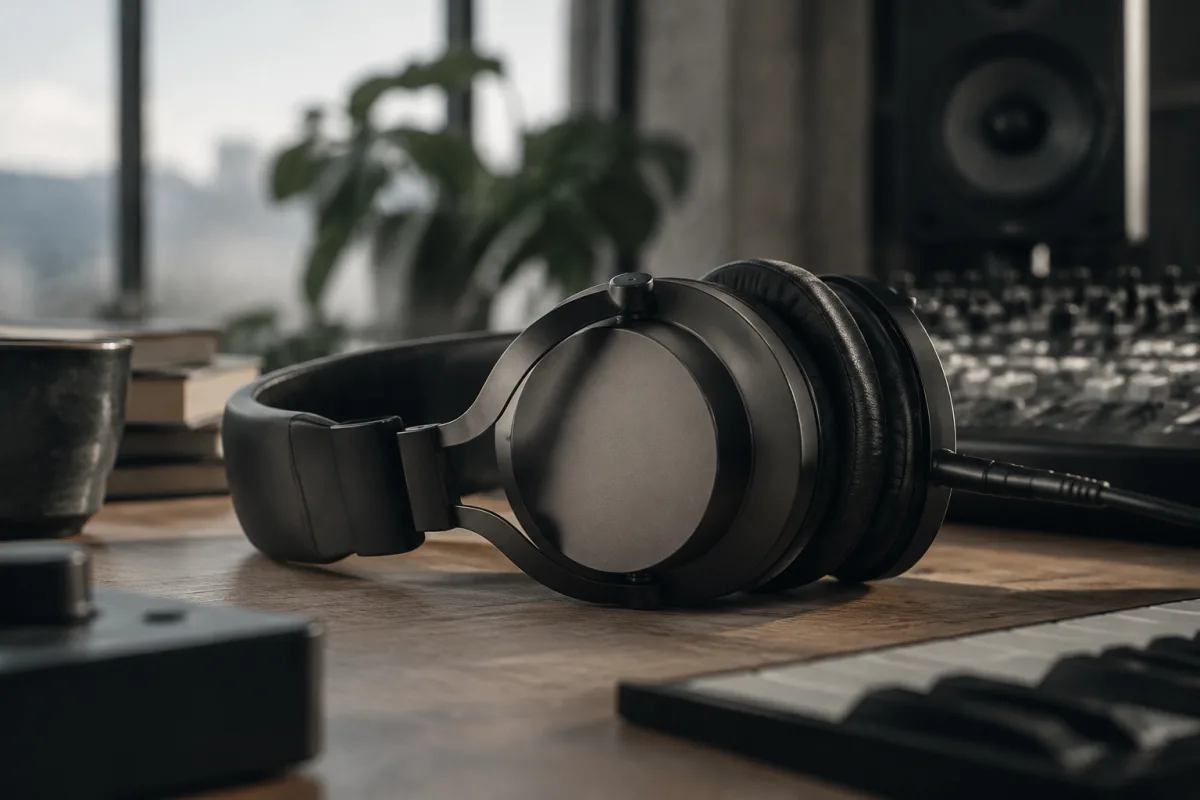
Choosing studio headphones requires balancing accuracy, comfort, and budget. Austrian Audio has established itself as a serious player in professional headphone design, offering closed-back models that prioritise neutral response and durability. This buying guide explains what matters when selecting Austrian Audio headphones, compares them to alternatives, covers common pitfalls, and helps you find the right model for your workflow. Whether you're mixing, monitoring, or tracking, the right Austrian Audio headphones choice will transform your accuracy and confidence.
Understanding Austrian Audio's Headphone Philosophy
Austrian Audio headphones focus on accuracy and build quality rather than bass-heavy consumer appeal. The company's heritage in microphone design carries into their headphone engineering—they understand what professional ears need. Austrian Audio headphones use robust construction, modular components, and balanced sound signatures designed for critical listening. This approach appeals to engineers and musicians who care more about hearing problems accurately than enjoying music casually. Austrian Audio headphones are purpose-built tools for professionals, not status symbols.
Closed-Back vs. Open-Back: Why Austrian Audio Chose Closed Design
Most Austrian Audio headphones models use closed-back design, meaning the rear enclosure is sealed. This traps sound inside the earcup, preventing bleed into microphones during recording and isolating you from room noise during mixing. Open-back designs (more common in casual headphones) leak sound into the room, which is disastrous if you're recording vocals—the microphone hears your headphone feed bleeding. Austrian Audio's closed-back approach is intentional: it suits professional recording. Closed-back design does warm the low end slightly compared to open designs, but this tradeoff is acceptable for professional applications where isolation matters more than absolute transparency.
Driver Quality and Frequency Response in Austrian Audio Headphones
Austrian Audio headphones use high-quality drivers designed for neutral, extended frequency response. The company publishes frequency response charts (typically 15 Hz–28 kHz) showing a relatively flat response without aggressive presence peaks. This flatness reveals mixing mistakes that more coloured headphones hide. Some engineers find Austrian Audio headphones sound initially thin or lacking bass because they're unaccustomed to truly neutral sound. Resist the urge to add bass through your interface controls; your ears will adjust within days to what accurate sound means through Austrian Audio headphones. The presence peak (or lack thereof) distinguishes Austrian Audio headphones from consumer models; this is intentional engineering for professional use.
Build Quality and Modular Design
Austrian Audio headphones feature replaceable ear pads and modular cable systems. This means when ear pads wear out (typically after 1–2 years of heavy use), you can replace just the pads rather than buying new headphones. Austrian Audio headphones use metal headbands, quality hinges, and robust connectors. This durability costs more upfront but saves money over time. Cheap headphones fail after a year and force re-purchase; Austrian Audio headphones can function for 5+ years with pad replacement. The modular design also means you can customize cables to match your setup—shorter cables for portable use, longer cables for stationary setups with Austrian Audio headphones.
Impedance and Driver Configuration
Austrian Audio headphones typically feature 24-ohm or similar moderate impedance. This impedance is low enough to work with portable devices and headphone outputs on audio interfaces, yet stable enough for professional amplifiers. The driver configuration in Austrian Audio headphones usually involves single large drivers per side, providing consistent response across frequencies. Check the impedance and frequency response curve of your specific Austrian Audio headphones model; variations exist between the Hi-X55, Hi-X50, and other models. Lower impedance in Austrian Audio headphones makes them more forgiving with various audio interfaces, whilst higher impedance models demand more powerful outputs but potentially offer better performance with professional mixing gear.
Comfort During Extended Sessions
Studio work often means wearing headphones for 4–8 hours daily. Comfort becomes critical. Austrian Audio headphones are designed with padded headbands and adjustable sizing to accommodate various head sizes. The weight is reasonable—not so light that they feel cheap, not so heavy that neck fatigue develops. Ear pad material affects comfort; austrian audio headphones use pleather pads that stay comfortable for extended sessions. Try them on before buying if possible; headphone comfort is subjective, and what feels comfortable to one engineer might not suit another. Return policies matter; ensure you can test Austrian Audio headphones for a week before committing financially.
Isolation and Leakage Characteristics
Closed-back Austrian Audio headphones isolate you from external noise reasonably well, though they're not isolation earbuds. This isolation lets you focus on mixing without room noise distracting. The tradeoff is passive isolation only—no active noise cancellation. Austrian Audio headphones' closed design also means they leak less sound into the room than open headphones, but leakage still occurs at high volumes. Use Austrian Audio headphones at moderate monitoring levels; extremely loud playback through Austrian Audio headphones creates bleed into condenser mics during vocal tracking.
Price Tiers and Austrian Audio Options
Austrian Audio offers models at different price points. Entry models (around £300–400) provide solid accuracy and build quality suitable for home studios and beginners. Mid-range Austrian Audio headphones (£400–600) represent the best value—excellent accuracy, comfort, and build quality for professional use. Premium models exceed this, offering refinements that matter for high-end mixing work. The jump from budget consumer headphones (£50–100) to entry-level Austrian Audio headphones is dramatic; the jump from entry-level to premium Austrian Audio headphones is refinement. Most professional studios choose mid-range Austrian Audio headphones and use them for years.
Comparing Austrian Audio Headphones to Competitors
Serious alternatives to Austrian Audio headphones include Beyerdynamic DT 770 Pro, Sennheiser HD 280 Pro, and Audio-Technica AT-M70x. Each has strengths: Beyerdynamic emphasises bright presence that some prefer, Sennheiser offers excellent value, Audio-Technica provides a different tonal character. Austrian Audio headphones differentiate through build modularity (replaceable pads), heritage in microphone design, and slightly different tonal approach. Try multiple models before deciding; headphone preference is subjective. Austrian Audio headphones specifically appeal to engineers who value neutral sound and longevity.
Cable Quality and Connectivity
Austrian Audio headphones come with professional-grade cables using quality connectors. The modular cable system is a major advantage—you can replace just the cable if it fails. Upgrade to longer cables (10–20 meters) for stationary studio use, or keep shorter cables for portability with Austrian Audio headphones. Quality cabling prevents intermittent connection issues that plague cheap headphones. Verify your Austrian Audio headphones' connector type (usually 3.5 mm or XLR, depending on the model) matches your audio interface before purchasing.
Common Buying Mistakes with Studio Headphones
The biggest mistake is confusing consumer headphones with professional Austrian Audio headphones. Consumer models emphasise bass and engaging sound; Austrian Audio headphones prioritise accuracy. Expecting Austrian Audio headphones to "sound good" for casual music listening misses the point—they're mixing and monitoring tools, not entertainment. Another mistake is choosing based solely on budget; Austrian Audio headphones in the mid-range represent far better value than ultra-cheap alternatives. Don't assume Austrian Audio headphones' closed design causes ear fatigue; this depends on fit and seal, not inherent design. Finally, avoid comparing Austrian Audio headphones' sound to familiarly-coloured headphones you've used for years; adjustment period is normal and necessary.
Trying Before Buying
If possible, borrow Austrian Audio headphones for a weekend from a local studio or friend. A few hours of mixing through Austrian Audio headphones reveals comfort, isolation characteristics, and whether the tonal balance suits your preferences far better than any review. Rental services exist in some cities; renting Austrian Audio headphones for a week costs less than replacing them if you make the wrong choice. Use the trial period to mix familiar reference tracks and assess accuracy—does the mix sound right when played through commercial speakers?
Austrian Audio headphones represent a solid choice for professionals seeking accurate monitoring and durable construction. Invest in the mid-range model appropriate for your head size, plan to replace ear pads every 1–2 years, and give your ears a week to calibrate to their neutral sound. For broader context on how Austrian Audio headphones compare to other studio monitoring options and their role in professional setups, explore our complete guide to Austrian Audio headphones.



Comments