


Warm Audio Microphone article
Everything You Need to Know About Warm Audio Microphone
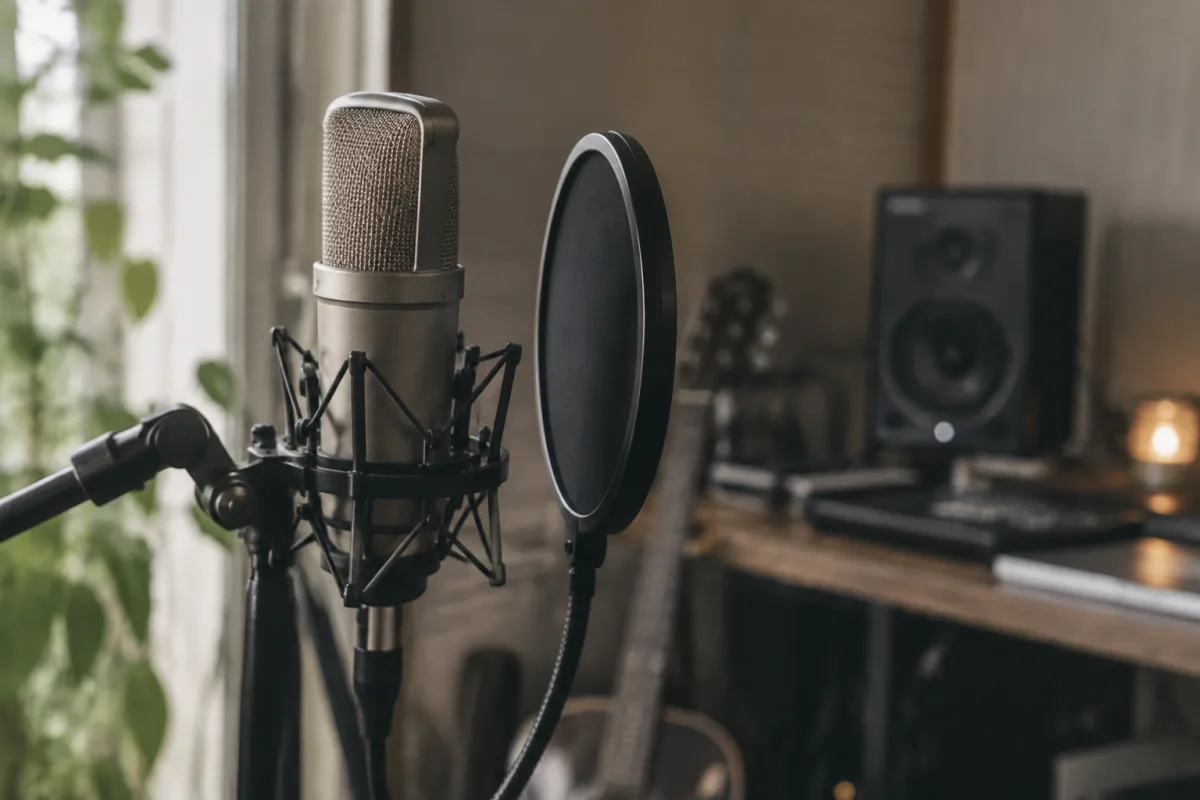
Warm Audio has established itself as a compelling choice for home and professional studio recording without excessive cost. Their microphones combine vintage-inspired warmth with modern reliability, offering producers and engineers genuine alternatives to microphones that cost three times as much. Whether you're recording vocals, acoustic instruments, or podcasts, understanding what sets these devices apart will help you build a microphone collection that grows with your skills.
Who Is Warm Audio?
Warm Audio, founded in 2012, occupies a unique position in the microphone market. The company designs their mics to emulate the sonic character of classic large-diaphragm condensers—the same machines that shaped iconic recordings from the 1960s and 1970s—but manufactures them affordably. Their philosophy is straightforward: professional-quality sound shouldn't require a pro-level budget.
Unlike boutique microphone makers that charge premium prices for handcrafted units, Warm Audio leverages modern manufacturing to deliver consistent quality at reasonable prices. This approach appeals to small studios, content creators, and musicians who need reliable recording gear without massive capital expenditure.
Common Warm Audio Microphone Models
The company produces several models, each targeting specific recording applications:
| Model | Type | Best For | Price Range |
|---|---|---|---|
| WA-87 | Condenser | Acoustic guitar, strings, overheads | £150–£200 |
| WA-251 | Large-diaphragm condenser | Vocals, piano, bass guitar | £300–£400 |
| WA-14 | Small-diaphragm condenser | Drum overheads, percussion | £120–£150 |
| WA-7 | Small-diaphragm condenser | Instrument micing, room sound | £100–£130 |
| WA-73 | Tube microphone | Vocals, boutique recordings | £600–£700 |
Sonic Characteristics and What Makes Them Warm
The term "warm" in microphone design describes a frequency response that emphasises the lower midrange (roughly 200–500 Hz) and attenuates extreme highs. This coloration mimics the sonic signature of vintage designs that many recording engineers prefer for vocals and instruments.
Warm Audio's large-diaphragm condensers exhibit this warmth through several design choices: a slightly presence peak in the 2–4 kHz range that adds clarity without harshness, a gentle rolloff above 8 kHz that softens sibilance, and a boost in the lower midrange that adds body and richness. For vocalists, this sonic profile is forgiving and flattering. For acoustic instruments, it captures natural tone without clinical precision.
Practical Applications in Recording
Vocal recording: The WA-251 is particularly popular for singing because its warm character reduces fatigue during long sessions and flatters most voices without excessive processing needed later.
Acoustic instruments: Small-diaphragm models excel on guitar, strings, and piano, capturing resonance and sustain whilst rejecting ambient room noise through their cardioid patterns.
Podcasting: The warmth extends vocal presence without introducing proximity effect issues that plague omni-pattern microphones. Content creators appreciate that dialogue sounds natural and engaging without additional equalisation.
Overhead and room micing: Stereo pairs of Warm Audio small-diaphragm condensers create cohesive, musically integrated recordings of drum kits and ensemble instruments.
Build Quality and Reliability
Despite affordable pricing, Warm Audio has earned respect for microphone construction and longevity. The company uses quality components including large diaphragms, precision transformers (on certain models), and robust mechanical designs that withstand daily studio use.
Most units ship with shockmounts, protective cases, and user-friendly polar pattern switches (on multipattern models). The company offers reasonable warranty coverage and responsive customer support, which matters when investing in recording equipment.
Comparing Warm Audio to Alternatives
For comparable price ranges, alternatives include Audio-Technica AT2020 (excellent but slightly brighter), Neumann TLM103 (professional but significantly more expensive), Rode NT1 (very affordable but less personality), and condenser options from Shure and Electro-Voice (typically larger investment required).
Warm Audio occupies the middle ground: warmer than neutral designs, less expensive than premium boutique brands, and more reliable than budget imports of questionable origin. This positioning makes them logical first purchases for small studios and serious hobbyists.
Limitations and Honest Considerations
No microphone suits every application perfectly. Warm Audio's designs prioritise the warm, coloured sound that defines their brand—which means they're less suitable for applications requiring clinical transparency, such as measurement recording, acoustic testing, or mixing reference. Engineers accustomed to neutral, analytical microphones may find them too "thick" or "dark."
Additionally, tube models require occasional tube replacement and more careful handling than solid-state designs, which adds operational complexity for some users.
Conclusion
Warm Audio microphones represent genuine value for recording musicians and content creators. Their warm sonic character, solid construction, and thoughtful product line make them practical choices for home studios and small professional facilities. If you're building a microphone collection and want character without paying boutique prices, these microphones deserve serious consideration. Start with one model matched to your primary recording need, expand the collection as your skills and budget allow, and you'll find these reliable workhorses serving your studio for years to come.



Comments