
Vocal Microphones for Recording article
The Complete Guide to Vocal Microphones For Recording
Vocal microphones for recording are the foundation of every home studio. Learn how to choose between large-diaphragm condensers, ribbons, dynamics and small-diaphragm options.
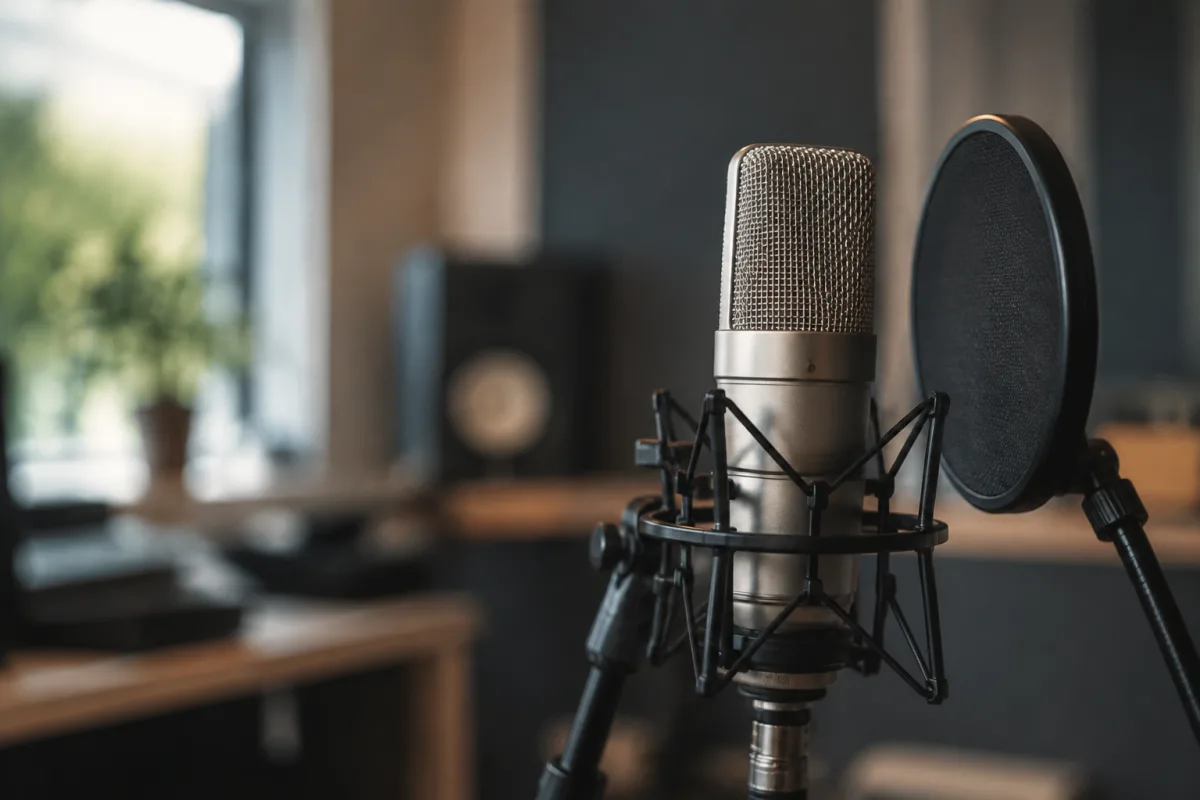
Vocal microphones for recording are the cornerstone of any home studio setup. Whether you're capturing podcasts, voiceovers, singing, or speech content, the microphone you choose will define the quality of every project. We'll guide you through the key types, features and considerations to help you pick a vocal microphone that suits your space, budget and artistic goals.
Why Vocal Microphones Matter in Recording
Not all microphones are created equal. A vocal microphone for recording is specifically designed to capture the nuances of human voice—warmth, presence, detail—whilst rejecting background noise and room reflections. Choosing a proper vocal recording microphone transforms your results from amateur to professional, and often costs far less than you'd expect.
The wrong choice—a cheap all-purpose condenser or a stage microphone—can saddle you with hum, harshness, or proximity effect that no amount of processing can fix later. The right vocal microphone adapts to your voice, your room and your genre. That's worth the investment upfront.
Types of Vocal Microphones for Recording
Large-Diaphragm Condensers
Large-diaphragm condensers are the industry standard for vocal recording. They excel at capturing warmth and presence, and their proximity effect—a bass boost as you lean in—gives singers natural control over tone and intimacy. Examples abound: Neumann U87, Audio-Technica AT4040, Shure KSM9, AKG C414. Most home studios and professional vocal booths rely on a large-diaphragm condenser as their primary vocal microphone.
These are most forgiving on a beginner's first take, and they reward better recording technique—sing closer for warmth, further back for clarity. They do need a pop filter and good technique to avoid plosives (hard 'p' and 'b' sounds).
Small-Diaphragm Condensers
Small-diaphragm condensers are brighter and more neutral than their larger cousins. They excel when you want clinical precision—voiceovers, spoken word, detail-heavy acoustic vocals. They have little proximity effect, so they're less forgiving of mic technique but more consistent at varied distances. Popular choices include Shure KSM137, Sennheiser e 614, and Rode NT-SF1. Use a small-diaphragm vocal microphone if your voice is thin or nasal; their brightness can help cut through.
Ribbon Microphones
Ribbon microphones deliver a smooth, warm, vintage character prized in jazz, folk and intimate vocal styles. They're naturally darker than condensers, taming harshness in bright voices. Dynamics are excellent and proximity effect is moderate. Downside: they're pricey, fragile, and require more preamp gain than condensers. If you love a warm, dark vocal microphone sound, a ribbon can be a magic wand—but expect to spend £800+ to get a solid one (e.g. Royer R-121, Coles 4038).
Dynamic Microphones
Dynamics are rugged, affordable, and ideal for loud, aggressive vocals—rock, metal, rap—where isolation and punch matter. The Shure SM7B is beloved in rap studios despite being a stage microphone, because its midrange forwardness and off-axis rejection suit the genre perfectly. Dynamics need more preamp gain but forgive poor mic technique and room reflections. Less common in classical or pop recording, but they work brilliantly for certain sounds.
Key Features to Evaluate
Frequency Response
The ideal vocal microphone for recording has a presence peak around 3–5 kHz (for clarity) and gentle lift in the low mids (100–500 Hz) for warmth. A flat response is neutral but can sound distant; too much presence peak sounds harsh. Check the mic's frequency response graph and listen to examples of your voice on it if possible.
Proximity Effect
Proximity effect—bass boost at close range—is strong in large-diaphragm condensers and moderate in ribbons, minimal in small-diaphragm condensers and dynamics. If your voice is thin, a mic with strong proximity effect lets you fatten the tone by singing closer. If your voice is boomy, choose a microphone with little or no proximity effect.
Off-Axis Rejection
How much noise does the vocal microphone for recording pick up from the sides and rear? Cardioid patterns are standard (reject to the sides and rear), but supercardioid patterns narrow further, risking a "proximity peak" at the mic's rear—problematic if room reflections bounce back. Check the polar pattern diagram. For a small booth, cardioid is usually safer.
Self-Noise (Equivalent Noise Level)
Specification given in dB-A. Anything under 20 dB-A is quiet enough for vocals. Above 30 dB-A, you'll hear hiss. If you're a quiet talker or recording very intimate vocal microphone work, aim for under 15 dB-A.
Vocal Microphone Comparison Table
| Type | Warmth | Clarity | Ease of Use | Typical Price Range |
|---|---|---|---|---|
| Large-Diaphragm Condenser | High | Very Good | Very Easy | £300–£2,500 |
| Small-Diaphragm Condenser | Low | Excellent | Moderate | £150–£800 |
| Ribbon | Very High | Good | Difficult | £800–£4,000 |
| Dynamic | Moderate | Good | Easy | £100–£800 |
Choosing a Vocal Microphone for Your Space
Room acoustics matter as much as the microphone itself. A vocal microphone for recording in a quiet, treated vocal booth demands different priorities than one in a casual living room. In an untreated room with background hum or reflections, choose a microphone with narrow polar pattern and good rear rejection (supercardioid). In a treated booth, any large-diaphragm condenser excels. A small vocal booth calls for a cardioid large-diaphragm condenser; a live room might favour a dynamic or ribbon for its darker, more forgiving character.
Budget Considerations
If you're buying a vocal microphone for recording on a budget under £400, focus on large-diaphragm condensers: Audio-Technica AT2020 (£140), Shure KSM8 (£300), or a used Neumann U87. At £500–£1,000, you unlock mid-range ribbons and high-end small-diaphragm condensers. Over £1,500, explore boutique brands and true vintage vocal recording microphones.
Remember: a vocal microphone for recording is only half the battle. A quality USB audio interface (£100–£300), acoustic treatment (£200+), and good monitoring (£150+) are equally vital to finish-ready recordings.
Conclusion
Choosing the right vocal microphone for recording depends on your voice, your space, your genre and your budget. Large-diaphragm condensers are the safest, most versatile choice for vocals; small-diaphragm condensers suit detail and clarity; ribbons deliver warmth and vintage character; dynamics excel at aggression and isolation. Evaluate the frequency response, proximity effect, polar pattern, and noise floor. Then listen to demos—your ear is the final judge. A vocal recording microphone that matches your voice and style pays dividends across every project you make.


Comments