
USB Microphone and Headset article
The Complete Guide to Usb Microphone And Headset
A USB microphone and headset combines input and output audio in one convenient device, perfect for home studios, streamers and content creators seeking professional sound without complexity.
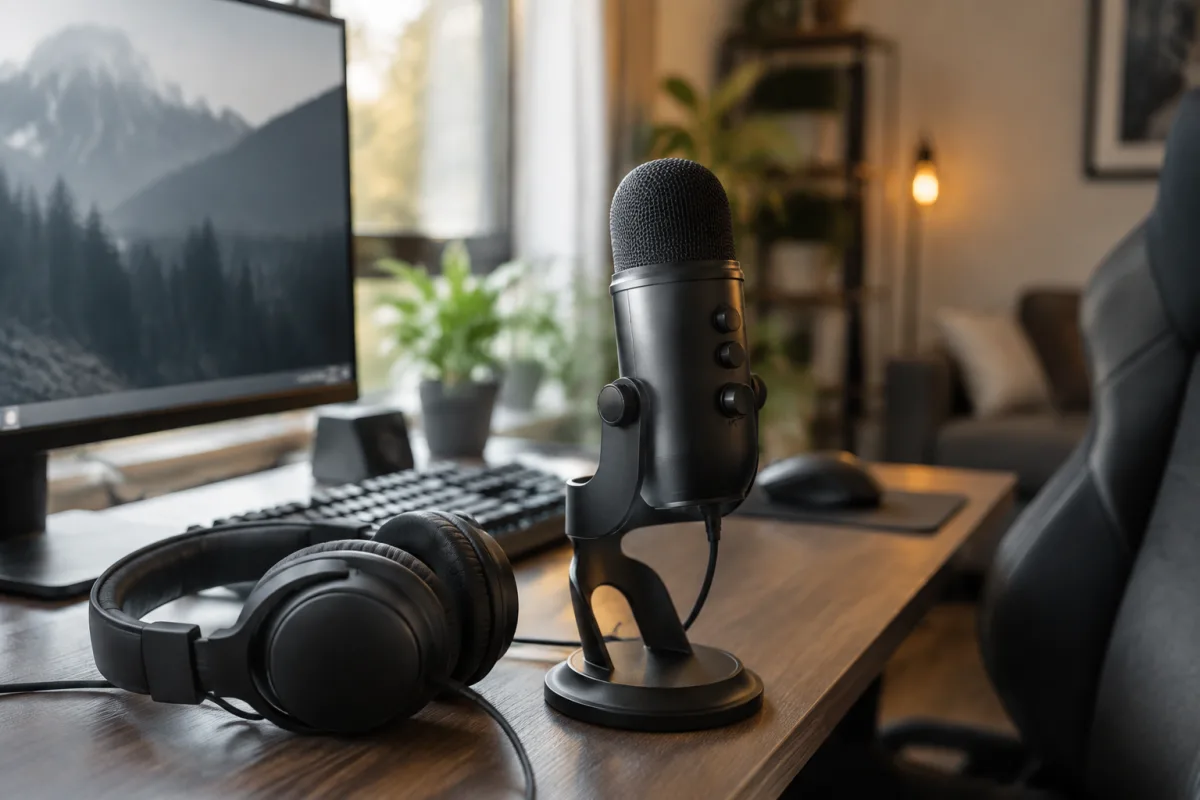
A USB microphone and headset combination represents the simplest path into home recording and streaming. Whether you're launching a podcast, recording voice-overs, streaming gaming sessions or conducting remote meetings, the convenience of a single USB microphone and headset unit eliminates complex setup whilst delivering professional sound quality. Understanding what makes a quality USB solution helps you choose the right microphone and headset for your specific needs.
Understanding USB Microphone and Headset Systems
A USB microphone and headset integrates both input and output audio into a single device. The microphone captures your voice or instrument through a diaphragm and preamp, whilst the headset provides real-time monitoring and audio playback. Most modern USB microphone and headset combinations connect directly to your computer via USB, eliminating the need for separate audio interfaces, mixers or external microphone preamps. This plug-and-play convenience makes USB microphone and headset solutions ideal for home studios and content creators.
The USB microphone and headset approach bypasses traditional analogue connections entirely. USB carries both digital audio and power, so no separate microphone cables, phantom power supplies or microphone preamps are required. This streamlined setup reduces cable clutter and cost whilst maintaining excellent audio quality.
Types of USB Microphone and Headset Designs
Integrated Units
An integrated USB microphone and headset combines both functions in a single device. You wear the headset for monitoring whilst the boom-mounted microphone captures your voice. Integrated USB microphone and headset designs work brilliantly for streamers, podcasters and gaming enthusiasts who need both input and output from a single, lightweight product.
Separate Microphone with USB Headset
Some creators prefer pairing a dedicated USB microphone and headset purchased separately. This approach allows optimising each component independently — choosing the best-sounding microphone regardless of headset quality, and vice versa. A USB microphone and headset setup this way typically costs more than integrated units but offers superior flexibility.
Desktop USB Microphone with Studio Headphones
Many professionals pair a large-diaphragm USB microphone and headset option with studio-quality headphones. This hybrid USB microphone and headset configuration leverages the convenience of USB microphone connectivity whilst adding genuinely high-fidelity monitoring through professional headphones.
Key Features to Evaluate in a USB Microphone and Headset
Microphone Specifications
Look for a USB microphone and headset with at least 16-bit audio depth and 44.1kHz sample rate (higher is better for music recording). Gain adjustment lets you optimise levels for your voice or instrument. A cardioid polar pattern on your USB microphone and headset rejects room noise and background sounds from the sides and rear, improving recording clarity. Mute buttons on your USB microphone and headset prevent accidental hot-mic incidents during sensitive moments.
Headset Comfort and Fit
You'll wear your USB microphone and headset for hours during streaming or recording sessions. Lightweight materials, padded ear cups and adjustable headbands are essential. Test how your USB microphone and headset feels on your ears — skin irritation or pressure points will distract you from your work. Over-ear designs offer better comfort for extended sessions than on-ear USB microphone and headset options.
Audio Quality
The headset portion of your USB microphone and headset should reproduce frequencies accurately from at least 20Hz to 20kHz. Bass response matters for gaming and music; treble clarity is essential for podcasting and voiceover work. Your USB microphone and headset should include no artificial "presence peaks" that fatiguing ears during long use.
Noise Isolation
Active noise cancellation on your USB microphone and headset reduces ambient room noise, helping you hear detail during recording sessions. Passive isolation (via physical headset design) blocks external noise without batteries. A USB microphone and headset with solid isolation helps maintain focus during long production sessions.
USB Microphone and Headset Applications
Streaming and Content Creation
Streamers benefit enormously from a USB microphone and headset that monitors game audio whilst capturing voice clearly. The all-in-one USB microphone and headset approach reduces cable management and setup time before going live.
Podcasting
Podcasters using a USB microphone and headset can record professional-quality voice without studio infrastructure. A USB microphone and headset solution gives you independent control over microphone gain and headset volume, allowing comfortable long-form recording sessions.
Remote Communication
Professionals working from home appreciate how a USB microphone and headset simplifies video conferencing. A single USB connection provides both clear audio input and private headset monitoring, eliminating feedback and improving meeting audio quality compared to built-in computer microphones and speakers.
Music Recording
Whilst not suitable for professional drum recording, a USB microphone and headset handles acoustic guitar, vocals and instrument overdubs admirably. A USB microphone and headset offers better recording quality than most computer microphones, at a fraction of the cost of traditional microphone interfaces.
Choosing Between USB Microphone and Headset Options
Budget USB microphone and headset combinations (under £40) work adequately for casual streamers and podcasters but compromise on comfort and audio quality. Mid-range USB microphone and headset products (£40–100) offer excellent value, with solid build quality and satisfying sound. Professional-grade USB microphone and headset systems (£100–300) feature premium materials, superior audio and exceptional comfort for full-time content creators.
Consider your primary application when choosing. A USB microphone and headset for gaming prioritises comfort and noise isolation; one for podcasting emphasises microphone clarity and headset audio range. A USB microphone and headset for music recording needs flatter frequency response and lower noise floor.
Optimising Your USB Microphone and Headset Setup
Position your USB microphone and headset microphone 15–30cm from your mouth. Keep it at slight angles to minimise plosive pops from "P" and "B" sounds. Adjust gain so normal speaking registers at about 75% of maximum without clipping. Most USB microphone and headset products include software gain controls — experiment to find optimal levels for your voice.
Background noise matters significantly. A USB microphone and headset positioned in a quiet room far from traffic, air conditioning and computer fans will dramatically outperform the same USB microphone and headset in a noisy environment. Even small foam panels behind your USB microphone and headset reduce reflections and room noise.
The Bottom Line
A USB microphone and headset delivers remarkable audio quality and convenience for creators at every level. Whether you're starting your first podcast, launching a streaming channel or working remotely, the right USB microphone and headset eliminates complexity whilst keeping your audio sounding professional. Invest in a USB microphone and headset combination matched to your budget and application, position it thoughtfully, and you'll produce audio that impresses listeners and viewers.


Comments