
Voice Recording Mics article
The Complete Guide to Voice Recording Mics
Professional vocal recording demands the right voice recording microphones. Explore condenser types, microphone technique, and how to capture authentic vocal performance.
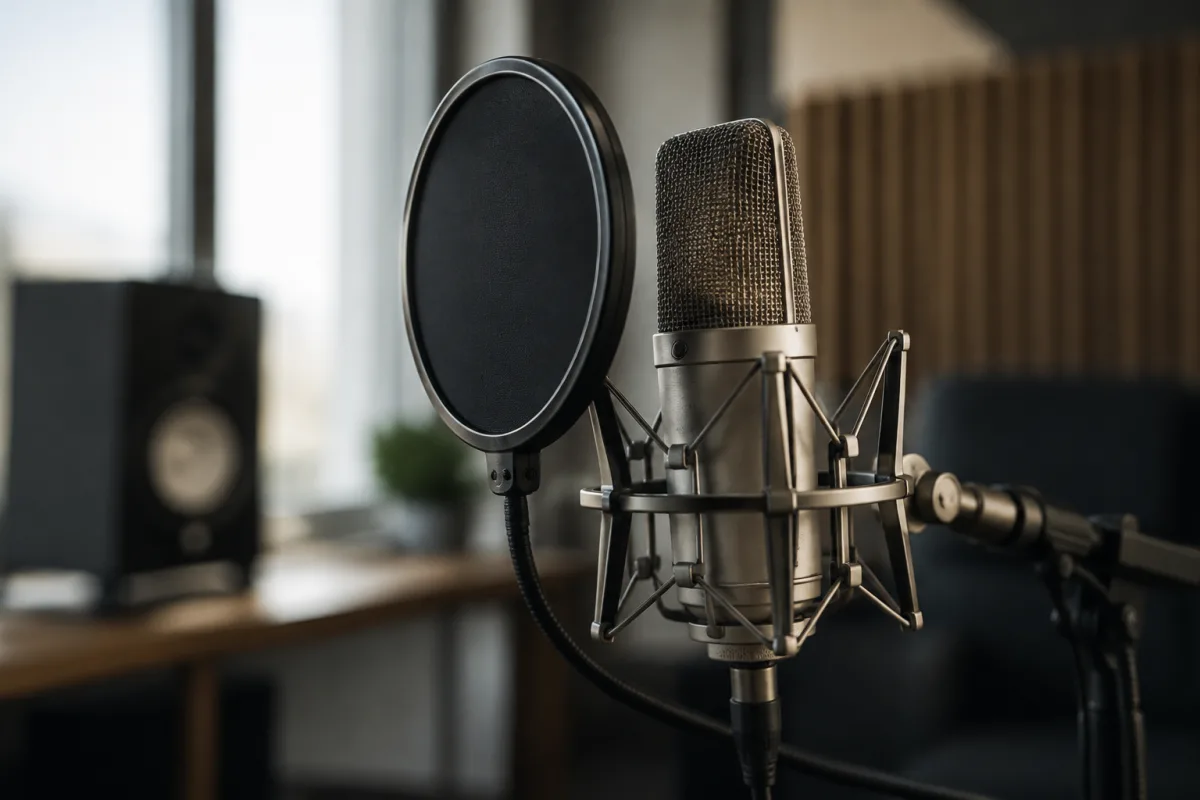
Capturing vocals authentically is one of the most critical decisions in music recording, and voice recording mics are the gateway between the singer and the audience. A great voice recording mic doesn't impose tonal character unnaturally; instead, it flatters genuine vocal qualities whilst capturing the nuance and emotion that make singing compelling. Whether you're recording an intimate bedroom demo, producing a professional album, or streaming live vocal performances, choosing the right voice recording mics and understanding how to position and treat them transforms the difference between amateur-sounding results and professional recordings that convey genuine artistry. The microphone you select, perhaps more than any other single piece of gear, shapes how your voice appears to listeners.
Understanding Voice Recording Mics Types
Large-diaphragm condenser microphones dominate vocal recording contexts. The large diaphragm captures vocal subtleties beautifully, adds a presence peak in the upper midrange that makes vocals punch through mixes, and responds linearly to proximity effects—bass frequencies boost naturally as singers move closer. This proximity effect, properly managed, can add warmth and intimacy to vocal recordings. Budget-conscious alternatives include small-diaphragm condensers and dynamic microphones, each with distinct characteristics.
Dynamic voice recording mics offer durability and reduced sensitivity to room noise—appealing in untreated spaces or live contexts. They generally don't capture vocal detail as transparently as condensers but can sound equally professional in the right context. Small-diaphragm condensers occupy a middle ground, offering condenser responsiveness with less pickup of room reflections than large-diaphragm models.
Frequency Response and Tonal Character
Professional voice recording mics typically feature a presence peak between 3–5 kHz, emphasising the frequency range where vocal intelligibility and presence live. Some add an additional peak above 10 kHz for air and brightness. These characteristics make vocals sit forward in mixes without additional EQ intervention. The low-frequency response varies—some models extend down to 20 Hz (capturing kick drum rumble if you're not careful), whilst others employ a high-pass filter cutting frequencies below 80–100 Hz, reducing rumble and plosives automatically.
The choice of frequency response affects how much post-recording EQ you need to apply. A microphone with complementary frequency response to your voice might require minimal adjustments. A poor match might demand aggressive EQ, degrading audio quality. Testing different voice recording mics through your vocal range reveals which one sounds most natural with your voice.
Proximity Effects and Positioning
Proximity effect—bass frequency boost as you move closer to the microphone—is most pronounced with cardioid-pattern voice recording mics. This effect can flatter voices by adding warmth and intimacy. Singers learning to manage proximity effect strategically get more mileage from their recording setup. Moving 6 inches further from the microphone dramatically changes proximity effect intensity. Recording professionals exploit this deliberately, recording different lyrical passages at varying distances to shape vocal tone non-destructively.
Plosives—percussive bursts from "P" and "B" sounds—are the primary challenge with close mic placement. A pop filter (a foam or mesh screen between singer and microphone) reduces plosives effectively without degrading vocal tone. Angling the microphone 45 degrees off-axis from the singer's mouth further reduces plosive problems whilst maintaining excellent tone capture.
Large-Diaphragm Versus Small-Diaphragm Condensers
Large-diaphragm voice recording mics offer characterful tone, presence peak, and sensitivity to vocal detail. They excel for intimate vocal styles, solo singers, and contexts where vocal character is musically central. They're sensitive to proximity effect, room reflections, and handling noise—requiring careful technique and good recording environment. They're the standard for professional studio vocal recording.
Small-diaphragm voice recording mics capture tone with excellent linearity and less room noise pickup. They're ideal when recording in untreated spaces or requiring minimal tonal colouration. They're less characterful than large-diaphragm options, less forgiving of poor singing technique, but genuinely professional-sounding. Many recording studios maintain both options, choosing based on the vocal style and available recording environment.
Studio Versus Live Voice Recording Mics
Studio voice recording mics prioritise tone capture and detail. They're sensitive and respond to proximity effects, plosives, and room reflections dramatically. They're generally omnidirectional or loosely cardioid, capturing every nuance. This makes them unsuitable for live performance where feedback and room noise are concerns.
Live voice recording mics typically use tight cardioid patterns rejecting off-axis sound effectively, reducing feedback risk. They're more rugged, built to survive repeated physical use. Their frequency response is often deliberately limited, reducing proximity effect and plosive vulnerability. Live-quality voice recording mics can certainly record in studios, but they often sound overly coloured or lack the detail studio-optimised microphones capture.
Microphone Technique and Recording Environment
Proper microphone technique is as important as the microphone itself. Positioning the microphone 6–10 inches from the singer's mouth with the capsule angled 45 degrees off-axis captures excellent tone whilst minimising plosives. Consistent positioning throughout a vocal session ensures tonal consistency—large variations in distance or angle create tonal inconsistencies your mixing engineer will struggle to manage. Hand-held recording requires stable positioning; most studios use mic stands and shock mounts isolating the microphone from physical vibration.
Recording environment profoundly affects voice recording mics' performance. A acoustically treated room, with absorption dampening reflections, lets the microphone capture vocal detail without room reverb colouring the recording. Untreated rooms sound boomy, with flutter echoes and reflections muddying vocal clarity. Many home studios record vocals in closets, bathrooms, or under blankets—improvised treatments that absorb room reflections effectively without expensive acoustic panels.
Audio Interfaces and Preamps
Voice recording mics produce line-level output that requires amplification through a preamp before recording. Audio interfaces typically include decent preamps; higher-quality interfaces and dedicated preamps offer lower noise, faster transient response, and more musical tone colouration. For professional vocal recording, investing in a quality preamp often yields better results than upgrading the microphone alone.
Phantom power—the voltage supplied through the microphone cable to power condenser microphone electronics—is essential. Most audio interfaces and mixers include phantom power switches; ensure yours is enabled when connecting condenser voice recording mics.
Budget Considerations and Value
Entry-level voice recording mics cost £100–300 and deliver functional recordings, though with less detail and tonal character than professional models. Mid-range options (£500–1,500) offer significantly better tone and detail, suited to serious hobbyists and semi-professional recording. Professional voice recording mics cost £2,000+ but offer the refined tone and reliability that justifies investment for recording studios and touring musicians.
The microphone + audio interface + preamp combination matters more than any single component alone. A £200 microphone through a £1,000 preamp sounds better than the same microphone through a £100 preamp. Balanced investment across your vocal recording chain yields better results than concentrating budget in one component.
Testing and Selection
Audition voice recording mics before committing to purchase if possible. Sing through several options, recording identical passages and comparing results. Your voice with your accent, your range, and your performance style will sound different through different microphones. The choice that works for another singer might not suit your voice. That personal testing is invaluable for finding the microphone that brings out the best in your voice.



Comments