


Sennheiser Mics article
Sennheiser Mics for Beginners: A Complete Guide
Sennheiser mics are trusted for reliability and sound quality. This beginner's guide explains the basics and helps you choose your first microphone.
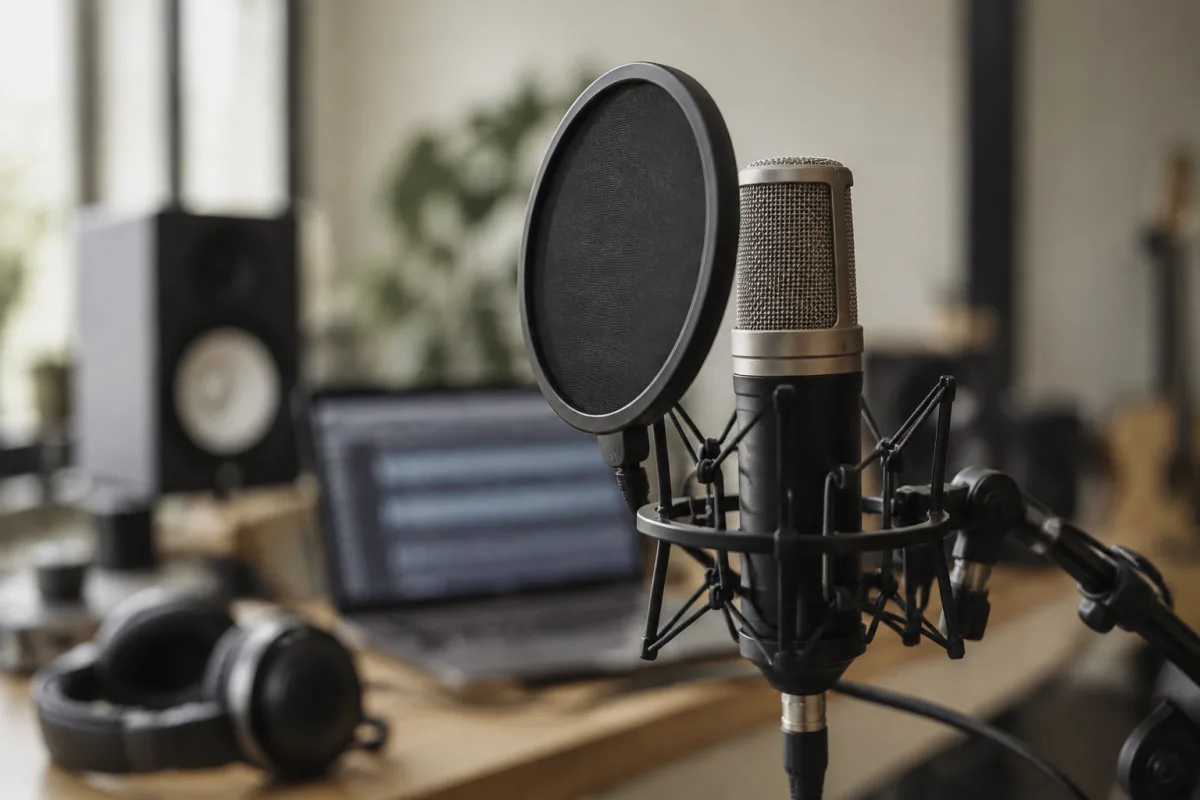
Sennheiser mics intimidate beginners with choices and technical specs, but the brand is famous for a reason: they're reliable, sound good, and you don't need to be an expert to use them. This guide walks you through the basics of Sennheiser mics and shows you the simplest path to picking one for your first recording or live setup.
Why Sennheiser Mics Are Trusted
Sennheiser is a German brand with decades of experience making microphones for studios, stages and broadcasting. When you buy Sennheiser mics, you're buying reliability. The brand has a reputation for building gear that simply works, sounds good, and lasts. That matters when you're new, because you want equipment you can depend on instead of guessing whether the mic is broken or your technique is wrong.
The Two Main Types of Sennheiser Mics
Before you pick a specific model, understand the two basic types:
- Dynamic Sennheiser mics: Rugged and forgiving. They reject background noise well and handle loud sources without overloading. Perfect for live singing, rehearsal rooms and untreated recordings spaces. Classics include the SM7B and MD 421.
- Condenser Sennheiser mics: Sensitive and detailed. They capture subtlety and work best in quiet, treated rooms. Ideal for studio vocals, acoustic instruments and podcasting. The MKE 600 and MKE 440 are popular entry models.
As a beginner, ask yourself: am I recording in a loud or quiet space? Live performance or studio? If loud and live, a dynamic Sennheiser mic. If quiet and studio, a condenser.
Common Sennheiser Mics for Beginners
You don't need to memorise every model. Here are the Sennheiser mics most beginners actually use:
- SM7B: The industry standard dynamic mic. Used in studios and live venues worldwide. Expensive (£350+) but if you buy one, it'll outlast everything else in your setup.
- MD 421: A workhorse dynamic Sennheiser mic. Cheaper than the SM7B, reliable, used on instruments and vocals for decades.
- MKE 600: A compact condenser Sennheiser mic. Entry-level, affordable (£50–100), great for podcasting and bedroom recording. Requires phantom power (batteries or a powered mixer).
- MKE 440: Another beginner-friendly condenser from Sennheiser. Similar to the MKE 600 but with switchable settings for different sound characters.
- e 835: A budget dynamic Sennheiser mic, popular for live singing. Not audiophile-grade but reliable and affordable.
If you're completely new, start with an entry condenser (MKE 600) if recording in a quiet room, or an entry dynamic (e 835) if recording live or in a noisy space.
Understanding Phantom Power
Many Sennheiser mics (especially condenser models) need phantom power to work. This is simply power delivered through the microphone cable from an amplifier or mixer. If you buy condenser Sennheiser mics, confirm your mixer or audio interface provides phantom power. It's a one-button feature on most modern equipment, nothing scary.
Dynamic Sennheiser mics don't need phantom power, which is one reason beginners often prefer them — fewer things to set up.
Connecting Your Sennheiser Mics
Sennheiser mics connect with XLR cables (the three-pin balanced connectors standard in professional audio). You'll need:
- The Sennheiser mic itself
- An XLR cable (roughly £10–20 for a decent one)
- A mixer or audio interface (USB mixers or audio interfaces start around £50)
- Headphones or speakers to hear yourself
That's genuinely all the gear. Sennheiser mics are designed to work with standard audio equipment; they're not special in that way, which is part of their appeal.
Sound Character: What to Expect
Sennheiser mics are known for a neutral, honest sound. They don't exaggerate bass or treble; they capture what's there. That's great for accuracy but means poor recordings from poor sources sound poor (not enhanced). A cheap backing track through Sennheiser mics will sound cheap.
Different Sennheiser models colour the sound slightly differently. The SM7B sounds warm; the MKE 600 sounds bright and clear. Read reviews or demo the model you're considering if you can, but know that all Sennheiser mics prioritise accuracy over flattery.
Common Mistakes Beginners Make
Avoid these errors when buying Sennheiser mics:
- Forgetting phantom power: You buy a condenser Sennheiser mic and it doesn't work because your mixer lacks phantom power. Check before buying.
- Expecting the mic to fix poor technique: Sennheiser mics are honest. If you're far from the mic or in a reverberant room, that's what you'll record. Mic quality matters, but technique and space matter more.
- Overestimating microphone quality: A £50 Sennheiser condenser mic is genuinely good, but it won't transform a bedroom into a studio if the room is untreated.
- Buying the professional-grade model as a beginner: The SM7B is legendary, but at £350+ it's overkill for learning. Start cheaper, upgrade later when you know you'll use it.
- Skipping the cables and interface: A Sennheiser mic is only half the setup. Budget for cables, a mixer or interface, and headphones too.
Your First Sennheiser Mic
If you're new to recording, start with an entry-level Sennheiser mic in the dynamic or condenser category that matches your space and purpose. A condenser Sennheiser mic (MKE 600) for quiet studio work costs around £80 and is genuinely sufficient for learning. A dynamic Sennheiser mic for live or noisy spaces (e 835) costs less. Neither is fancy, but both work reliably and sound good enough to learn on.
Once you've used a Sennheiser mic and learned its strengths, you'll know whether to upgrade to a professional model, try a different brand, or stick with what you have. That's how expertise develops — through small steps, not giant leaps. For deeper context on microphone types and professional audio, explore our complete guide to Sennheiser mics.



Comments