


AKG Mics article
Akg Mics for Beginners: A Complete Guide
AKG mics are designed with beginners in mind, offering reliable, accessible microphones for recording and live sound. This guide walks you through starting your journey with AKG mics and developing professional recording skills.
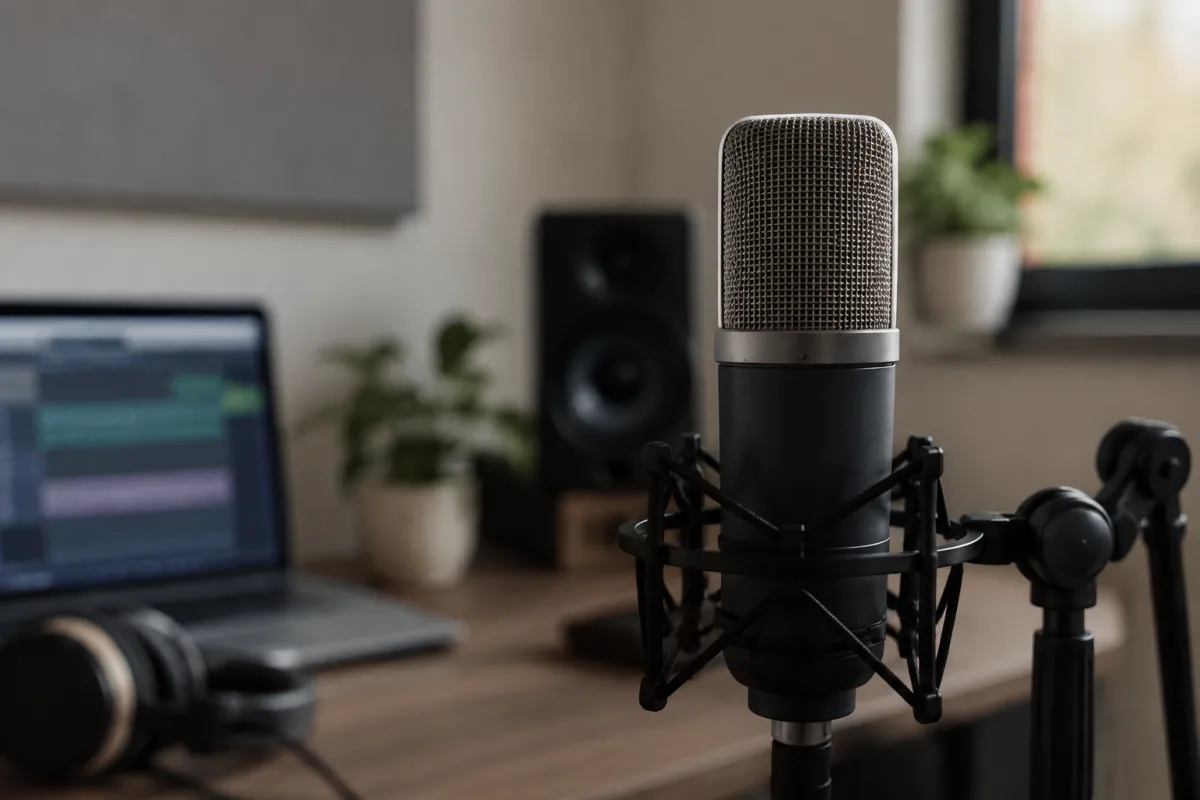
If you're venturing into recording or live sound for the first time, choosing an AKG mics option can feel overwhelming. AKG mics have earned a reputation as reliable, accessible microphones used by studios and live sound engineers worldwide. The good news? AKG mics are designed with beginners in mind, offering entry-level options that don't sacrifice quality. This guide walks you through starting your journey with AKG mics, explaining what makes them special, helping you select your first AKG mics, and ensuring you sidestep common beginner pitfalls so you can focus on recording great sound rather than troubleshooting equipment.
Why Beginners Choose AKG Mics
AKG mics hold a unique place in the recording world—they're professional enough for working studios, yet approachable enough for beginners learning the craft. Understanding why AKG mics are beloved helps explain why so many new recordists gravitate toward them.
The beauty of AKG mics is their consistent build quality across price ranges. Even entry-level AKG mics deliver clear, natural sound reproduction. This means your first experience with AKG mics won't be fighting against inferior equipment; instead, you'll develop your ear with honest sound from the start. Additionally, AKG mics are widely available, competitively priced, and supported by extensive online communities. When you choose AKG mics, you're joining a worldwide network of fellow users who freely share knowledge and tips about getting the best from your AKG mics setup.
Understanding Your First AKG Mics: Dynamic vs. Condenser
Before selecting specific AKG mics models, distinguish between the two primary microphone types available from AKG mics:
- Dynamic AKG Mics: These AKG mics use a coil and magnet system to convert sound into electrical signals. Dynamic AKG mics are incredibly forgiving—they reject background noise naturally and handle loud sources without distortion. If you're recording drums, guitar amplifiers, or live vocals, dynamic AKG mics are your easiest entry point. The AKG D112 and AKG D7 represent excellent dynamic AKG mics for beginners.
- Condenser AKG Mics: These AKG mics use a thin diaphragm that captures extremely detailed sound. Condenser AKG mics are incredibly sensitive—they pick up everything, including room reflections and ambient noise. For beginners in treated recording spaces, condenser AKG mics offer stunning clarity. Popular beginner-friendly condenser AKG mics include the AKG P220 and AKG P420.
Your choice between these two types fundamentally shapes your experience with AKG mics. Beginners recording in untreated rooms should start with dynamic AKG mics. If you have a quiet recording space and want maximum detail, condenser AKG mics are worth exploring.
Choosing Your First AKG Mics: Key Considerations
Selecting specific AKG mics models requires considering your recording environment and primary use:
- Recording Environment: Untreated rooms with hard surfaces create echo and reflections. Dynamic AKG mics handle this better than condenser AKG mics. If your recording space is quiet and controlled, condenser AKG mics shine. Assess your environment honestly before committing to specific AKG mics.
- Primary Source: Vocals, acoustic instruments, drums, and amplifiers each respond differently to microphone designs. AKG mics produce different results depending on application. Dynamic AKG mics excel with drums and loud sources, whilst condenser AKG mics capture vocal nuance beautifully.
- Budget Consideration: Entry-level AKG mics start around £60-100 for basic dynamic options. Condenser AKG mics typically cost £150-300 for quality beginner models. Investing in even mid-range AKG mics yields noticeably better sound than budget alternatives.
- Connectivity: Determine whether you need XLR connections (professional standard) or USB connections. USB AKG mics connect directly to computers, eliminating the need for additional audio interfaces—ideal for beginners just starting.
- Frequency Response: Different AKG mics models emphasise different frequencies. Warmer AKG mics suit vocals; more neutral AKG mics serve acoustic instruments. Read frequency response specs to understand how specific AKG mics will colour your recordings.
Common Beginner Mistakes with AKG Mics
Thousands of beginners discover these pitfalls after purchasing AKG mics. Learning from their experience prevents frustration:
- Buying Condenser AKG Mics for Untreated Rooms: New recordists often assume professional AKG mics mean better sound everywhere. Condenser AKG mics in noisy, reflective rooms produce disappointing results. Start with dynamic AKG mics if your recording space isn't treated.
- Neglecting Microphone Technique: AKG mics are tools that require proper technique. Beginners often place AKG mics incorrectly, miss proper gain staging, or forget windscreens. Even excellent AKG mics sound poor with sloppy technique.
- Assuming AKG Mics Need Expensive Accessories: You don't need £200 in stands, pop filters, and cables immediately. Basic accessories for your AKG mics (stand, pop filter, XLR cable) cost under £40 combined. Invest gradually as you learn what your setup needs.
- Not Treating Your Recording Space: AKG mics pick up reflections from untreated rooms. Before spending money on premium AKG mics, invest in basic acoustic treatment—blankets, bookshelves, and foam panels make enormous differences with any microphone, including AKG mics.
- Ignoring Phantom Power Requirements: Condenser AKG mics require phantom power (electrical power supplied through the XLR cable). Ensure your audio interface or mixer provides phantom power before purchasing condenser AKG mics.
- Rushing to Upgrade Too Quickly: Learning your first AKG mics thoroughly before upgrading yields better results than constantly chasing new gear. Beginners often don't realise their current AKG mics's potential.
Your First Steps with AKG Mics: A Practical Roadmap
Once you've selected your AKG mics and connected it to your recording setup, follow these beginner steps:
- Set Up Properly: Position your AKG mics at mouth level for vocals, aim dynamic AKG mics at the source slightly off-centre, and maintain consistent distance. Proper positioning transforms results from your AKG mics more than any other single factor.
- Master Gain Staging: Learn to set recording levels correctly with your AKG mics. Aim for peaks around -6dB, leaving headroom to prevent distortion. Correct gain staging with AKG mics produces clean, usable recordings every time.
- Use a Pop Filter: If recording vocals with AKG mics, a simple pop filter prevents plosives ("p" and "b" sounds) from ruining takes. Pop filters for AKG mics are inexpensive yet transformative.
- Experiment with Distance and Angle: Move your AKG mics closer and farther from sources. Adjust the angle of your AKG mics and listen to how this changes tone. This experimentation builds intuitive understanding of how your AKG mics responds.
- Record Multiple Takes: Professional recordings come from selecting the best take from many attempts. Record generously with your AKG mics, experiment with technique variations, and choose the best result.
- Document Your Settings: Keep notes about microphone positioning, gain levels, distance, and angle used with your AKG mics for each recording. This documentation helps you consistently reproduce your best results.
Maintaining Your AKG Mics
Proper care keeps your AKG mics sounding excellent for years:
- Store Carefully: Keep your AKG mics in protective cases when not in use. Store AKG mics away from extreme temperatures and humidity fluctuations.
- Keep Clean: Gently wipe your AKG mics grille with a soft, dry cloth. Never clean inside your AKG mics or apply liquids that might damage internal components.
- Use Protective Grilles: When recording with AKG mics, use pop filters or protective grilles to prevent dust and debris from entering. This keeps your AKG mics sounding fresh and prevents damage.
- Check Cables Regularly: Faulty cables cause more problems than microphone issues. Test XLR cables connected to your AKG mics periodically to catch problems early.
For a deeper technical exploration of microphone technology and advanced recording techniques, explore our complete guide to AKG mics.
Starting with AKG mics opens doors to professional-quality recording without requiring a degree in audio engineering. Focus on proper technique, understand your specific AKG mics model thoroughly, and be patient with the learning process. The investment in quality AKG mics and deliberate practice pays dividends as your recording skills develop. Welcome to the community of AKG mics users—your recording journey is just beginning.


Comments