
Microphones to Record Vocals article
The Complete Guide to Microphones To Record Vocals
A vocal microphone shapes everything your listeners hear. Learn which types of microphones work best for vocal recording, from condensers for clarity to dynamics for presence, and how to choose one for your space and budget.
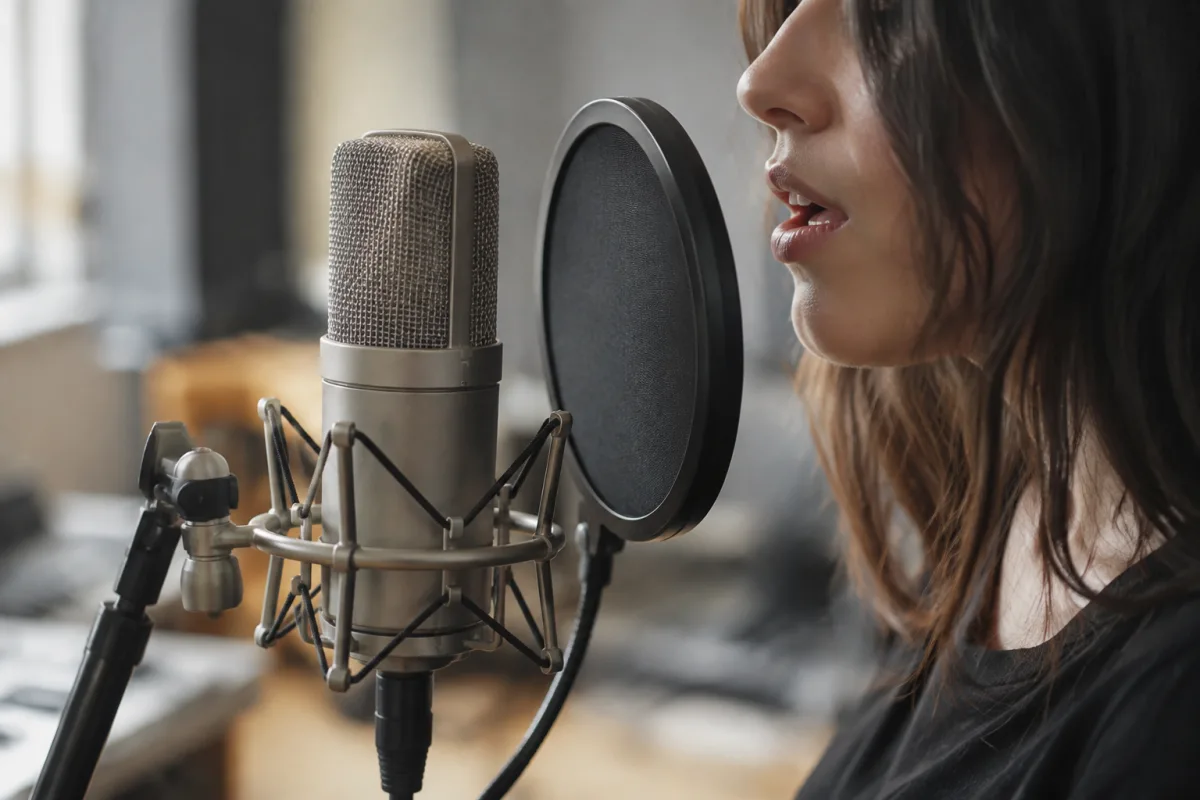
Recording vocals requires more than just pressing record—the microphone you choose shapes everything your listeners hear. From intimate bedroom recordings to professional studio sessions, choosing the right vocal microphone is essential for capturing clear, present, nuanced performances. This guide explores the types of vocal microphones suited to vocal recording, what makes them different, and how to pick one for your needs and budget.
Why Microphone Choice Matters for Vocals
A vocal microphone is the bridge between a singer's voice and a recorded track. The vocal microphone captures not just volume but tone, presence, proximity and intimacy. A cheap, unsuitable vocal microphone can make a professional vocalist sound thin or distant. A well-chosen vocal microphone reveals clarity, emotion and the nuances that make a performance compelling. Since vocals are often the focal point of a mix, investing in a quality vocal microphone pays dividends in your final mix.
Main Types of Vocal Microphones
Condenser Microphones
Condenser microphones are the industry standard for studio vocal recording. They are sensitive, revealing and responsive to subtle dynamics and tonal detail. A large-diaphragm condenser (typically 1 inch or larger) is ideal for lead vocals because its proximity effect—an exaggerated bass response when positioned close to the source—adds warmth and intimacy. Popular choices for recording vocals in this category include the Shure SM81, Audio-Technica AT4040, and the classic Neumann U87.
Condensers require phantom power (electrical current sent from your audio interface or mixer) and are more delicate than dynamic microphones. They excel at capturing the detailed, airy quality modern vocal recordings demand.
Dynamic Microphones
Dynamic microphones are rugged, forgiving and less sensitive than condensers. They reject off-axis noise and room reflections better, making them practical for less-than-ideal recording spaces. Many vocalists love the thick, present character dynamics add. The Shure SM7B is famous as a workhorse microphone to record vocals in studios and on stages alike. Dynamics are ideal if your space is untreated or if you want a robust, close-miked presence in your vocal.
Ribbon Microphones
Ribbon microphones have a warm, smooth character that suits warm, soulful voices beautifully. They are expensive, fragile and require careful handling, but they deliver a colour and musicality many engineers value for jazz, soul and intimate pop vocals. A microphone to record vocals in this category typically starts at £500 and climbs steeply, making them a refinement for serious studios rather than a beginner's purchase.
Key Specifications for Vocal Microphones
| Specification | What It Means | For Vocal Recording |
|---|---|---|
| Frequency response | Range of frequencies the mic captures (e.g. 20 Hz–20 kHz) | Wider is generally better; presence peaks (5–8 kHz) add presence in vocals |
| Polar pattern | Directional pickup (cardioid, omnidirectional, figure-8) | Cardioid is standard for vocals; it rejects room noise behind the mic |
| Proximity effect | Bass boost at close distances | Useful for intimacy; manage with EQ if excessive |
| Sensitivity | How easily the mic picks up quiet sounds | Higher sensitivity = less preamp gain needed = lower noise floor |
| Impedance | Electrical resistance (typically 200–300 ohms) | Lower impedance = cleaner signal; most modern interfaces handle it well |
Choosing a Microphone to Record Vocals for Your Voice and Space
The best microphone to record vocals for your situation depends on several factors. First, your voice: large-diaphragm condensers suit bright, detailed voices; dynamics suit warm or aggressive styles; ribbons suit soulful, intimate voices. Second, your space: treated rooms reveal a condenser's detail; untreated rooms benefit from a dynamic's noise rejection. Third, your budget: entry-level condensers (£80–£200) work well for home recording; mid-range options (£200–£600) are versatile studio choices; professional microphones (£600+) offer luxury and refinement.
A microphone to record vocals should feel like an extension of the singer's voice, not an obstacle. If possible, audition microphones before buying, or work with a trusted engineer who knows both your voice and available gear.
Positioning and Technique
A microphone to record vocals performs best when positioned correctly. Typically, place it 6–10 inches from the singer's mouth, on-axis (pointing at the mouth) or slightly off-axis (to avoid harsh plosives on 'p' and 'b' sounds). A pop filter between the singer and microphone reduces plosives without sacrificing detail. Let the singer move and perform naturally; the microphone should follow their comfort, not vice versa.
Proximity effect can be your friend or your enemy. Stepping back a few inches reduces bass boost and thinness; stepping closer adds warmth. Experiment during take setup to find the sweet spot for the performance.
Budget Tiers for Vocal Microphones
A beginner's microphone to record vocals (£60–£150) handles home recording and learning. Mid-range models (£200–£600) work in professional studios and home setups alike, offering clarity and character. Professional-grade microphones (£600+) are investments in sound quality that pay off in consistently excellent results. Many successful artists began with budget microphones; upgrading is a gradual refinement, not a prerequisite.
Conclusion
Your choice of microphone to record vocals shapes your vocal sound from the first moment of recording. A quality microphone captures presence, emotion and nuance; a poor one obscures them. Whether you choose a condenser for clarity, a dynamic for robustness or a ribbon for warmth, select a microphone to record vocals that suits your voice, space and budget. Paired with a quality preamp, a pop filter and careful technique, the right microphone becomes an ally in capturing vocal performances that move listeners.


Comments