


Zoom Microphone Buying guide
Zoom Microphone: A Complete Buyer's Guide
Choosing the right Zoom microphone is easier than you think. This guide covers specs, popular models, and common mistakes to avoid.
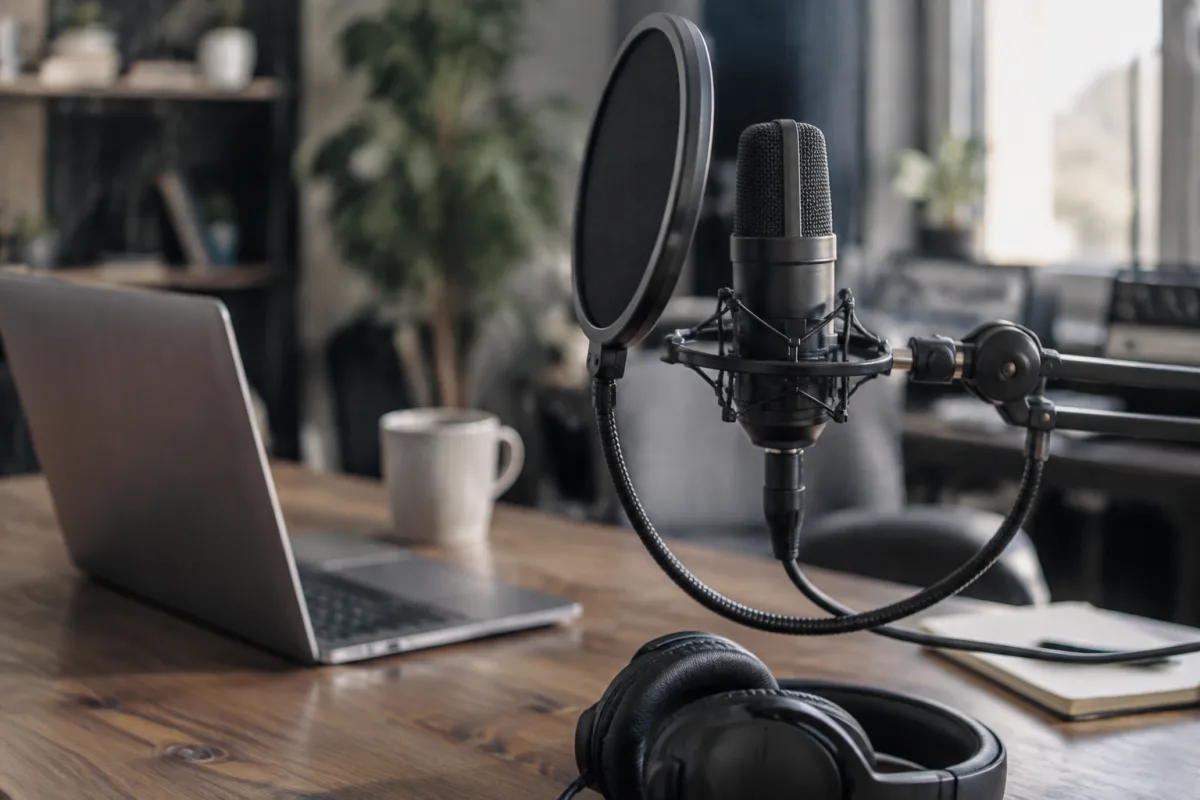
Zoom is one of the most respected brands for field recording and home studio microphones, known for clean engineering and reliable performance at competitive prices. If you're shopping for a Zoom microphone for podcasting, home recording, or field capture, you'll encounter a wide range of models and price points. This buying guide cuts through the marketing and shows you exactly what to prioritize when choosing.
Zoom's Product Range: Understanding the Lineup
Zoom manufactures microphones across several categories: lavalier mics for hands-free capture, shotgun mics for directional recording, boundary/table mics for meetings and lectures, and USB-connected desktop models for podcasting and computer-based recording. Understanding which category fits your use case is the first step to avoiding regretful purchases.
Additionally, Zoom offers complete portable recorders (the H-series devices like H6, H8) that include built-in microphones and allow external mic connection. These overlap with dedicated microphone purchases, so clarity about whether you need a complete recorder or a standalone microphone is essential before shopping.
Key Specifications to Understand
Microphone Type: Condenser vs. Dynamic. Zoom's lavalier and shotgun models use condenser microphones (more sensitive, wider frequency response, capable of subtle detail). These are ideal for music recording, vocals, and acoustic instruments. Dynamic microphones are less common in Zoom's lineup but appear in some portable recorder mics; they're more forgiving of loud sources and wind noise, making them better for live performance and outdoor capture. For home studio and podcasting, condenser is standard.
Polar Pattern. This describes how the microphone captures sound from different angles. Cardioid pattern (most common in Zoom's consumer models) picks up sound primarily from the front, reducing pickup from the sides and rear. Omnidirectional pattern captures equally from all directions. Shotgun pattern (highly directional) picks up a narrow forward beam. Match the polar pattern to your recording environment: cardioid for quiet rooms, omnidirectional for ambient capture, shotgun for isolating a single speaker or instrument in noisy environments.
Frequency Response. Typically listed as "20Hz–20kHz" or similar. This indicates which frequencies the microphone captures. Wider range (20Hz–20kHz) is better for music; narrower ranges (e.g., 100Hz–15kHz) are acceptable for voice and podcasting (high-end air and low rumble are less critical). Don't obsess over frequency response unless you're recording music; for voice work, anything claiming 20Hz–20kHz is adequate.
Maximum SPL (Sound Pressure Level). This specifies how loud a sound source can be before the microphone distorts. For vocals and acoustic instruments, 100–120 dB SPL is fine. For drums, amps, or live sound, you might need 130+ dB SPL. Most Zoom models handle standard home recording scenarios comfortably.
Connection and Power. Desktop Zoom microphones connect via USB and draw power from your computer. Lavalier and shotgun Zoom mics connect via 3.5mm jack and often require a small battery or phantom power (supplied by an audio interface or dedicated phantom power box). Check whether the microphone you're considering requires external power and whether you have a source available.
Zoom's Popular Models: Which Fits Your Needs?
| Model Category | Examples | Price Range | Best For | Key Limitation |
|---|---|---|---|---|
| USB Desktop Microphones | ZUM-2 | £40–80 | Podcasting, video calls, home recording | No external mic input; committed to USB workflow |
| Lavalier/Wireless Systems | WSL-D8, WSL-D7L | £80–300 | Hands-free capture, interviews, live speaking | Clipped to clothing; dedicated to voice, not music |
| Shotgun Microphones | SSH-6, SSH-2 | £100–200 | Video production, field recording, isolating single sources | Requires shock mount and wind protection for best results |
| Portable Recorders (with internal mics) | H6, H8 | £200–400 | Field recording, musicians, multi-track home recording | More complex than a standalone microphone; longer learning curve |
For beginners in home recording or podcasting, a USB desktop model (£40–80) is the simplest entry point. For musicians and field recordists, a shotgun or lavalier mic in the £100–200 range offers greater versatility.
Common Buying Mistakes to Avoid
Mistake 1: Buying a portable recorder when you just need a microphone. The Zoom H6 and H8 are excellent devices, but they're designed for field recording with multiple inputs and advanced control. If you just need a desktop microphone for podcasting, a simpler USB model suffices. Portable recorders add complexity and cost you may not need.
Mistake 2: Assuming higher price always means better quality. Zoom's premium models offer more inputs, better build quality, and expanded feature sets—not always audibly better sound. For voice recording and podcasting, mid-tier models (£80–150) often sound indistinguishable from premium options in blind tests. Spend extra only for features you'll actually use.
Mistake 3: Ignoring your recording environment. A directional shotgun microphone in a quiet carpeted room captures more room noise than a cardioid in the same space (the shotgun's sensitivity to rear ambient sound becomes a liability). Understand your room acoustics before committing to a specific polar pattern.
Mistake 4: Forgetting about wind protection and accessories. Lavalier and shotgun mics perform poorly outdoors without a windscreen or deadcat wind shield (£20–50). Budget for these essentials if you plan outdoor recording; without them, wind noise will ruin your recordings.
Mistake 5: Overlooking the complete guide to Zoom microphones. This buying guide focuses on practical purchasing decisions and specification essentials. For deep technical coverage, advanced recording techniques, and comprehensive model comparisons, the full overview provides context beyond this guide.
Price-to-Performance Tiers
£40–80: Entry-level USB desktop models. Adequate for podcasting, video calls, and amateur music recording. Sound quality is clean but lacks the presence and warmth of professional studio mics. Good for testing whether microphone recording suits your workflow.
£80–150: Mid-tier lavalier and shotgun options. This range offers solid professional-quality sound for field recording, music instrument capture, and video production. Best value for most users; the step up in audio fidelity over budget models is noticeable and worth the investment.
£150–300: Professional-grade shotgun mics and wireless systems. Build quality, durability, and audio clarity improve, but for home use, these are often overkill. Suits videographers, podcast networks, and recording studios treating equipment as a long-term professional investment.
£300+: Premium portable recorders and multi-input systems. These are for field recordists, musicians with complex setup needs, and professionals requiring multiple simultaneous inputs and advanced metering.
Connection Options: USB, 3.5mm, and Audio Interfaces
USB microphones are simplest—plug into your computer and record. No audio interface needed. However, if you plan to use multiple microphones or need balanced XLR connections (professional standard), consider a 3.5mm lavalier or shotgun mic paired with a small audio interface (Focusrite Scarlett 2i2, Behringer U-Phoria UMC202HD). This modular approach costs more upfront but offers greater flexibility and future upgrade paths.
Your First Zoom Microphone: A Sensible Approach
Follow these steps:
- Identify your primary use case (podcasting, music recording, video, interviews, field capture).
- Match the category from the table above (desktop, lavalier, shotgun, or portable recorder).
- Budget in the £80–150 range for the best value. Avoid penny-pinching on budget models; the audio quality gap is significant.
- Check that the model includes necessary accessories (USB cable, windscreen for outdoor models, mount/stand).
- Buy from a retailer with a 14-day return window. Test the microphone in your recording environment and listen carefully to sample recordings before the deadline.
- If the sound quality or connectivity doesn't meet your needs, exchange for a different model rather than returning it outright.
Final Thoughts
Zoom builds reliable, sensibly priced microphones for content creators, musicians, and field recordists. A quality Zoom microphone in the £80–150 range will serve you well for years. The company's reputation for customer support and firmware updates means your investment is protected long-term. Start with a model matched to your primary use case, use it consistently to develop your ear, and upgrade strategically when your needs expand beyond its capabilities.


Comments