
Speaker for Microphone article
The Complete Guide to Speaker For Microphone
A speaker for microphone applications provides critical real-time monitoring for performers, broadcasters, and recording engineers to hear themselves accurately.
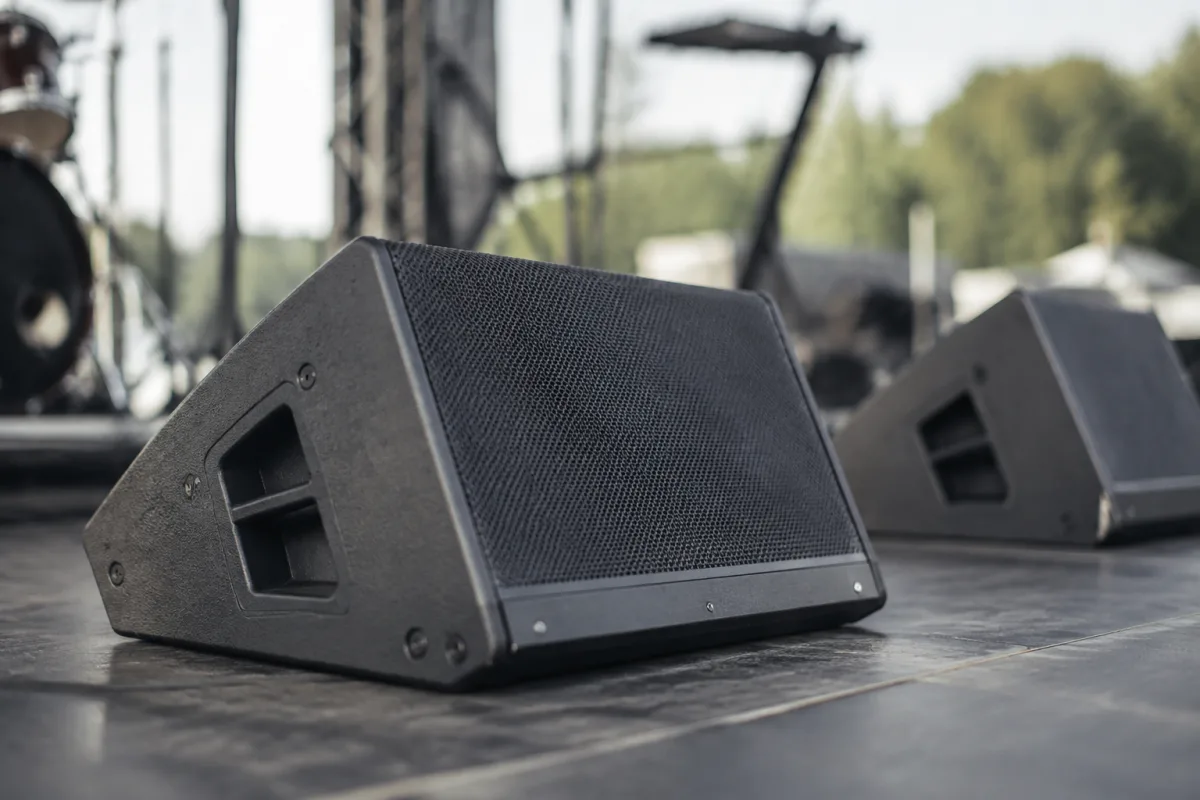
A speaker for microphone applications serves a specific and often overlooked purpose in audio systems: providing reference sound and monitoring for performers, broadcasters, and recording professionals who need to hear themselves or their mix in real time. Whether for stage monitoring, studio recording, or podcast production, choosing the right equipment is crucial for both performance quality and comfort.
Understanding Monitoring Speakers
Not every speaker is suitable for microphone use. Monitors must have minimal latency (delay), sufficient headroom to prevent distortion from loud peaks, and a frequency response that accurately represents what the microphone is capturing. Professional speakers designed for this purpose prioritise clarity and speed of audio delivery over bass extension or room-filling loudness.
These systems sit in a different category than consumer home audio speakers. They need to provide honest, uncoloured reference sound that tells the user precisely what they're producing, without flattering or exaggerating the signal.
Types of Monitoring Solutions
Professional options break into several categories. Desktop or powered monitors are compact speakers with built-in amplification, ideal for solo performers or podcast setups. These sit near the performer, delivering direct audio with minimal room reflections.
PA systems and stage monitors serve larger venues, using multiple speakers for distribution across the stage. These allow several performers to receive their own customised mix simultaneously. Floor monitors and wedge-shaped speakers have become iconic tools in live sound, especially for band performances.
Studio reference monitors are another category, designed to reveal microphone tone faithfully during recording sessions. They're used not for the performer's direct monitoring, but for engineers and producers to hear what the microphone is capturing with perfect clarity.
Key Specifications for Monitoring Equipment
Frequency response is critical. The equipment should reproduce output flatly across the human voice range (roughly 80 Hz to 8 kHz) with minimal peaks or dips. A monitoring solution with a presence peak in the 2–4 kHz region can make voices sound harsh or fatiguing to listen to repeatedly.
Latency (delay between input and speaker output) is equally important. Professional systems maintain latency under 10 milliseconds, fast enough that the performer hears themselves with no noticeable delay. Consumer audio equipment can introduce 50+ milliseconds of latency, creating an uncanny, disorienting effect.
Output level matters significantly. Monitoring equipment must have sufficient volume to cut through ambient noise without requiring the volume control to be pushed excessively high, which can introduce distortion or feedback problems.
Desktop or Powered Monitors
For solo podcasters, home recordists, and single performers, a compact powered speaker for microphone monitoring offers simplicity and efficiency. These include a built-in amplifier and input connections, requiring only a microphone and audio interface to operate. Modern examples deliver professional audio quality in a compact form factor.
This type typically offers 20–100 watts of output, sufficient for personal monitoring at reasonable volumes. The solution connects directly to an audio interface or mixer, and the user hears themselves mixed with music or backing tracks.
Stage Monitoring Systems
On stage, professional monitors—typically wedge-shaped—provide each performer with a customised mix. A vocalist might want to hear mostly their own voice with drums for timing. A bassist might request their bass, kick drum, and click track. The monitoring engineer operates a console feeding different mixes to each speaker simultaneously.
Modern wireless systems have reduced the need for traditional floor monitors in some venues, but stage monitoring remains essential when performers need to hear themselves in real time without depending on wireless headsets.
Reference Monitors for Recording
In recording studios, reference monitors serve a different but equally important role during tracking. The engineer uses these to hear exactly what the microphone is capturing, ensuring the microphone is positioned correctly, the gain staging is appropriate, and the tone is what was intended.
Quality reference monitors typically cost more than entry-level options but deliver far superior clarity and honesty. Popular studio solutions prioritise flat response over coloration, making them invaluable for critical listening during recording sessions.
Wireless Headphone Alternatives
Wireless in-ear monitors (IEMs) have become popular alternatives to traditional floor monitors. A performer wears earpieces that receive a wireless signal with their custom mix. This eliminates the need for visible stage equipment and gives the performer complete freedom of movement.
However, some performers still prefer traditional floor setups because they feel more natural and connected to the venue's acoustic environment, and sometimes provide a social element of shared monitoring with bandmates.
Choosing the Right Equipment for Your Setup
Selection depends on your application. Solo recordists benefit from a compact powered option on or near their desk. Live performers should discuss needs with the venue's sound engineer and request appropriate monitors as part of the live sound setup. Engineers recording vocals will want high-quality reference equipment to ensure accurate microphone capture.
Budget, space, and portability also factor in. Equipment suitable for a touring band might not fit a bedroom studio, and vice versa. The key is finding solutions that provide honest audio feedback with minimal latency and sufficient output for your particular environment.
Whether you're a podcaster, singer, or sound engineer, the right monitoring solution for microphone applications is an investment in performance quality and confidence. Well-chosen equipment keeps you informed of exactly what your microphone is delivering, enabling better performances, more confident recording sessions, and ultimately better audio for your audience.
Frequently Asked Questions
Why can't I use regular home speakers as a speaker for microphone monitoring? Consumer speakers often introduce latency (delay) of 50+ milliseconds, which creates an uncanny echo effect. Professional monitoring solutions maintain latency under 10 milliseconds, providing seamless feedback without performers hearing themselves delayed.
What's the difference between monitor speakers and studio reference equipment? Monitors prioritise immediate feedback for performers—volume, clarity, and minimal latency matter most. Reference equipment prioritises accurate sound reproduction for engineers, often with flatter frequency response than stage monitors.
How loud should a speaker for microphone monitoring be? Loud enough to hear clearly above ambient noise, but not pushing the volume control to extremes. Good equipment should deliver 80+ dB SPL at your position with moderate amplifier settings, providing comfortable monitoring without fatigue.
Do I need a powered (active) speaker for microphone use? Powered options are simpler for most applications, requiring no separate amplifier. Passive speakers work too but need external amplification. For most microphone setups, powered options are more practical.
Can wireless in-ear monitors replace a stage speaker for microphone monitoring? Wireless IEMs work well for many performers and offer freedom of movement. However, some prefer traditional floor monitors because they feel more natural and connected to the venue's acoustic environment, especially for ensemble playing.
What frequency response should I look for? Ideally, flat or nearly flat from 100 Hz to 8 kHz. Avoid equipment with exaggerated presence peaks (2–4 kHz), which make voices sound harsh or unnatural when monitoring.


Comments