
Microphone to Record article
The Complete Guide to Microphone To Record
Selecting the right recording mic is essential for capturing quality vocals, instruments and ambience. Learn about microphone types, polar patterns and technical specifications to make the best choice for your studio.
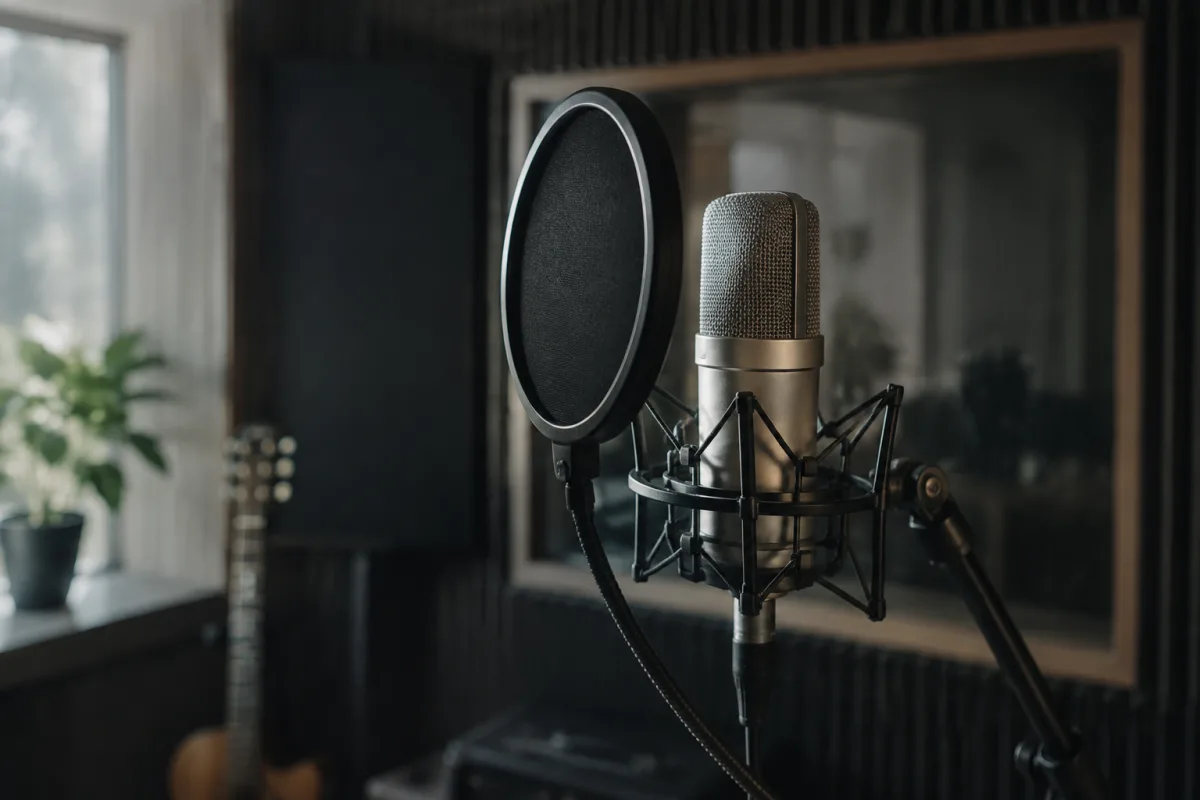
Choosing the right recording microphone is one of the most critical decisions you'll make in any home studio, professional recording facility or live sound setup. The equipment you select will fundamentally shape the character, clarity and quality of every vocal, instrument and ambient sound you capture, making it essential to understand the types available and what distinguishes a great recording mic from the rest.
Understanding Microphone Types
When selecting equipment for recording, you'll encounter several fundamental designs, each with distinct sonic characteristics and practical applications. The dynamic microphone is the workhorse of recording studios, popular for vocals, drums and loud instruments because of its durability and ability to handle high sound pressure levels without distortion. These mics use a moving coil attached to a diaphragm that vibrates within a magnetic field, directly converting sound waves into electrical signals.
Condenser microphones, by contrast, use a capacitor design and are exceptionally sensitive, capturing intricate details and subtle frequencies that make them ideal for acoustic guitars, piano, vocals and ambient recordings. They require phantom power (typically 48 volts) from your audio interface or mixer, but this investment in power yields remarkable clarity and presence. Ribbon microphones represent a more specialised option, beloved by engineers for their warm, smooth character and particularly flattering response to bright sources like cymbals and horns.
Polar Patterns: Directional Sensitivity
Every microphone to record exhibits a polar pattern—the three-dimensional map of how it responds to sound arriving from different directions. A cardioid pattern, the most common choice, picks up sound primarily from the front whilst rejecting rear sounds, making it excellent for isolating a single source in less-than-ideal acoustic environments. This pattern gets its name from its heart-shaped appearance on polar diagrams.
Omnidirectional mics pick up sound equally from all directions, perfect for capturing room ambience and recording choir or ensemble recordings where you want natural spatial characteristics preserved. Bidirectional patterns (figure-eight shaped) are useful for recording two sound sources positioned on opposite sides of the equipment, or for capturing an intimate vocal duet with good isolation.
Frequency Response and Presence Peaks
The frequency response of your microphone determines which sounds it emphasizes or de-emphasizes. Most vocal mics feature a presence peak—a subtle boost in the 2-6 kHz range that adds clarity, presence and intelligibility to vocals and solo instruments. This characteristic helps recordings cut through in a mix without requiring aggressive EQ adjustments during mixing.
Flat response equipment, conversely, aims to capture sound accurately without colouring it, making it ideal for acoustic instruments, overheads and stereo ambient recordings. Proximity effect, a bass boost that occurs when placing a mic very close to a sound source, is pronounced in cardioid dynamic designs, making them useful for adding warmth and intimacy to vocal recordings.
Sensitivity and Noise Floor
Microphone sensitivity indicates how much electrical output the equipment generates when exposed to sound at a standard level. A more sensitive mic requires less amplification from your preamp, resulting in a cleaner signal with less amplifier noise introduced. This becomes particularly important when recording quiet sources like fingerpicked acoustic guitar or whispered vocals.
The self-noise (equivalent noise level) specifies how much electrical hum and hiss the equipment generates on its own. Professional studio mics typically deliver self-noise levels below 15 dB, whilst budget models might reach 20-25 dB. In quiet recording environments, this difference becomes audible, so professional applications demand low self-noise specifications.
Impedance and Connector Types
Microphone impedance, typically 50 ohms for professional models, affects how well the equipment works with your preamp and cabling. Low-impedance connections (balanced, three-pin XLR connectors) are standard in professional recording because they reject electrical interference and allow cable runs of 50 feet or more without signal degradation. Consumer and some budget studio mics use high-impedance unbalanced connections (quarter-inch phone jacks or RCA connectors), which limit practical cable lengths to around 15-20 feet.
Always match your recording equipment with a preamp that accepts its impedance type. Attempting to connect a low-impedance unit to a high-impedance input (or vice versa) results in significant tone loss and potential noise introduction.
Application-Specific Recommendations
For vocal recording, most engineers reach for a large-diaphragm condenser microphone to record, typically 1-2 inches in diameter, which captures vocal warmth and detail whilst its cardioid pattern rejects room noise. Dynamic models suit rock and pop vocals where you want proximity effect and isolation from background instruments.
Acoustic guitar demands a large-diaphragm condenser positioned 12-24 inches from the instrument, capturing the instrument's full frequency range and subtle playing dynamics. Drums require a combination of close-miked dynamic mics on each drum plus overhead condensers to capture cymbal detail and room ambience. Bass guitar can be recorded either with a dynamic mic pointed at the amplifier cabinet or via a direct box capturing the instrument's output electronically.
Budget Considerations
You needn't spend a fortune to obtain professional-quality equipment. Budget condenser models under £100 deliver remarkable value, offering clean sound and useful presence peaks. Mid-range options (£150-400) add refinement, lower noise floors and more versatile polar patterns, whilst premium studio mics (£500+) offer marginal sonic improvements but primarily provide durability and reliability for professional environments.
Invest first in quality equipment, then in proper acoustic treatment of your recording space. A good microphone to record captures what the room provides, so addressing echo, flutter and room reflections through strategic placement, soft furnishings and bass traps will yield greater sonic improvements than repeatedly upgrading gear.
Conclusion
Selecting the best equipment requires balancing your budget, recording applications and acoustic environment. Understanding microphone types, polar patterns, frequency response and specifications enables you to make informed decisions that will serve your recordings for years to come. Whether you're recording intimate vocals, full drum kits or ambient orchestral arrangements, matching the right microphone to record to your specific needs will fundamentally elevate the quality and character of your productions. Start with a versatile large-diaphragm condenser if building a studio from scratch, then expand with application-specific dynamic and specialty mics as your needs grow and your expertise develops.



Comments