
Microphone Singing article
The Complete Guide to Microphone Singing
Choosing the right microphone singing tool transforms vocal recordings. Discover types, specifications, and expert selection guidance.
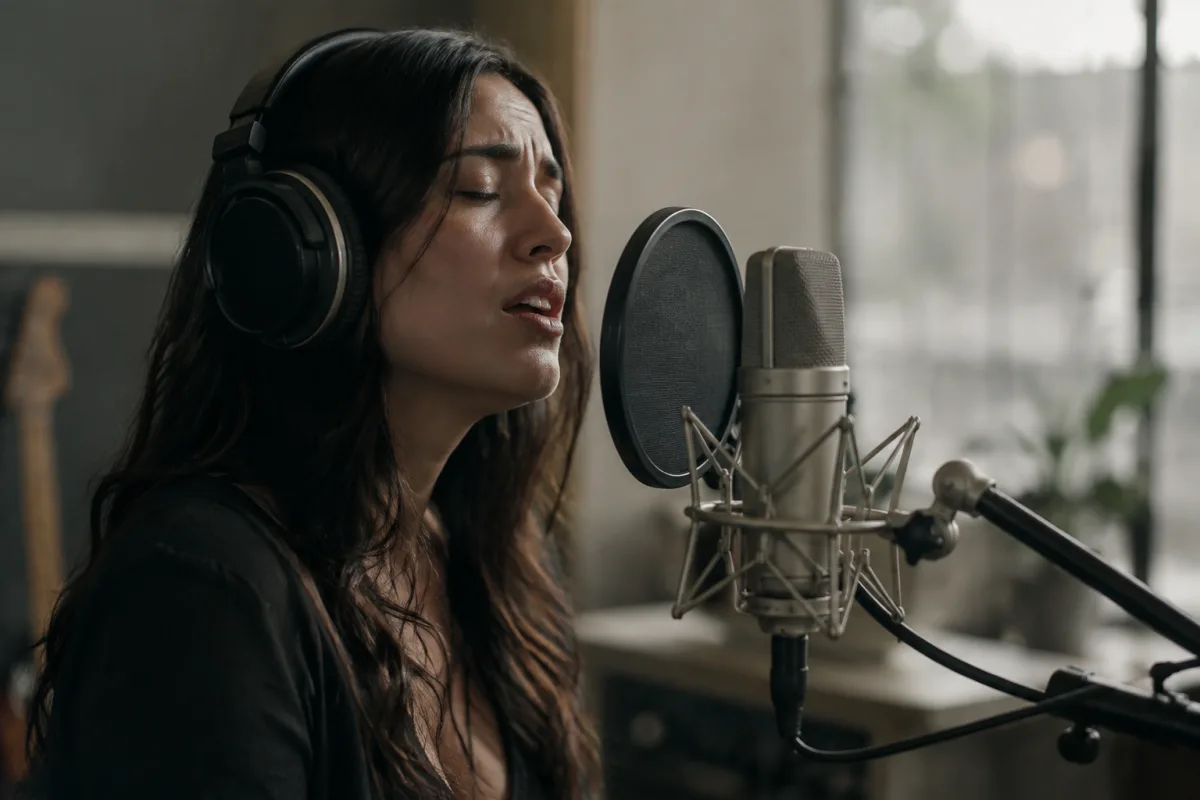
Choosing the right microphone is essential for any vocalist. Whether you're recording in a professional studio, performing on stage, or creating content from home, the microphone singing quality dramatically affects the final product. Understanding microphone types, specifications, and selection criteria empowers vocalists to make informed choices that elevate their recordings and performances.
Understanding Microphone Types for Vocalists
Two primary microphone types dominate vocal recording: dynamic and condenser models. Dynamic microphones are rugged, feedback-resistant workhorses ideal for stage performance. Condenser microphones offer superior sensitivity and frequency response, making them preferred in studio environments where capturing vocal nuance matters most.
Within each category, variations exist. Some dynamic microphones are specifically engineered for vocal work, whilst budget condenser options may disappoint despite lower prices. Understanding these distinctions helps vocalists select instruments that serve their specific needs.
Key Specifications Explained
| Specification | What It Means | Importance for Singing |
|---|---|---|
| Polar Pattern | Pickup direction; cardioid captures front, omnidirectional captures all | Cardioid isolates vocals, rejects room noise and monitor feedback |
| Frequency Response | Which frequencies the mic captures | Presence peak (3–5kHz) enhances clarity; presence adds punch |
| Sensitivity | How effectively the mic converts sound to signal | Higher sensitivity captures subtle vocal dynamics and nuance |
| SPL Handling | Maximum volume the mic tolerates without distortion | Singers with powerful voices need higher SPL ratings |
These specifications work together to determine suitability for vocal work. The ideal microphone singing choice balances all factors appropriately for your voice and recording environment.
Microphone Singing for Different Vocal Styles
Pop vocalists benefit from microphones with presence peaks emphasising clarity and energy. The presence peak brings vocals forward in mixes and adds commercial appeal. Rock vocalists often prefer slightly coloured microphones adding attitude and presence.
Jazz singers appreciate microphones with extended upper harmonics capturing intimate vocal nuance and dynamics. Classical vocalists typically favour neutral response preserving natural tonal character. Understanding your genre's conventions helps guide microphone selection.
Stage Performance Microphones
Live performance demands different priorities than studio recording. Dynamic microphones dominate stage work due to superior feedback rejection and ruggedness. The Shure SM58 remains the industry standard, offering reliable performance across countless venues and styles.
Stage microphone singing requires careful technique: proximity to the microphone, plosive control, and feedback prevention all matter significantly. Experienced stage vocalists develop microphone technique alongside vocal technique.
Studio Recording Microphones
Studio environments prioritise capturing vocal nuance over feedback rejection. Premium condenser microphones excel at capturing subtle dynamics, breath control, and harmonic complexity. Brands like Neumann and AKG dominate professional studios.
Large-diaphragm condenser microphones work particularly well for intimate vocal recordings. The larger diaphragm captures detailed performance nuance, enabling producers to extract emotional depth from recorded vocals.
Acoustic Considerations
Microphone singing quality depends partly on recording space. Untreated rooms introduce reflections and resonances colouring vocal tone. Professional studios employ acoustic treatment minimising unwanted reflections whilst preserving natural room character.
Home recordists can achieve excellent results in small, acoustically treated spaces. Basic treatment using thick curtains, foam absorption panels, and strategic furniture placement significantly improves recording quality.
Microphone Technique for Vocalists
Proper microphone singing technique maximises clarity and minimises problems. Distance control prevents proximity bass emphasis (where bass frequencies exaggerate as singers move closer). Off-axis positioning reduces plosive problems from harsh consonants.
Consistency in microphone technique during recording enables editors to maintain vocal tone throughout the song, essential for professional-sounding recordings.
Choosing Your First Vocal Microphone
Budget considerations range from entry-level options at £50–100 through mid-range choices at £200–500 and premium studio microphones exceeding £1000. For home recording, mid-range condenser microphones offer excellent value, delivering studio-quality vocals without premium pricing.
Beginning vocalists should prioritise microphone singing fundamentals over expensive equipment. A decent mid-range microphone combined with proper technique and acoustic treatment produces better results than premium equipment operated poorly. As skills and needs develop, upgrades become worthwhile investments.
Whether recording music, podcasting, or performing live, understanding microphone selection transforms vocal presentations. The right microphone singing choice enables artists to capture their voice authentically, helping audiences connect emotionally with vocal performances.



Comments