
Microphone Boom Stands article
The Complete Guide to Microphone Boom Stands
A quality microphone boom stand is essential recording studio equipment that allows precise microphone positioning without handheld support, improving recording quality and workflow efficiency.
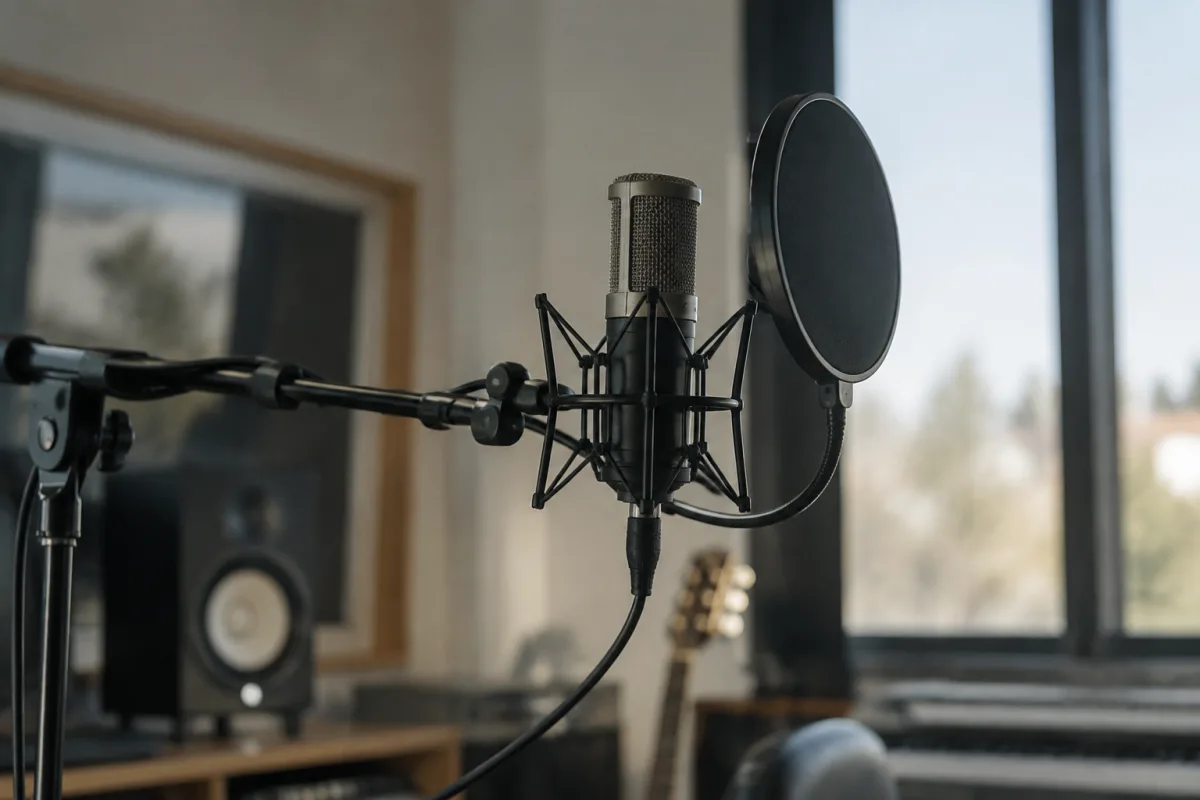
A microphone boom stand is one of the most essential yet often overlooked pieces of recording studio equipment. Whether you are recording vocals, acoustic instruments, or drum overheads, a quality microphone boom stand determines how easily you can position your microphone precisely and maintain that position reliably during recording sessions. This complete guide covers everything you need to know about microphone boom stands: how they work, what distinguishes a good stand from a poor one, and how to choose the right stand for your recording needs.
What Is a Microphone Boom Stand?
A microphone boom stand is a support structure featuring a weighted base and an articulated arm (the "boom") that extends outward and upward, allowing microphone placement in precise positions without requiring a microphone to be handheld. The boom arm is adjustable, typically allowing height adjustment via a friction lock or ball-joint mechanism, and can extend from nearly ground level to well above head height.
Boom stands differ from straight stands (which are simple vertical poles) and from desktop stands (which clamp to desks or tables). The boom design offers significant advantages: you can position a microphone directly in front of a vocalist without the stand occupying space behind them, angle microphones for drum recording without awkward positioning, and adjust microphone height with minimal effort once locked in place.
Key Components of Microphone Boom Stands
Understanding boom stand anatomy helps you evaluate quality and make informed purchasing decisions:
Base and Weight
The weighted base provides stability. A heavy, wide base prevents tipping when the boom extends outward with a microphone attached. Lighter bases risk tipping when you place a large-diaphragm condenser microphone at the end of a fully extended boom. Many professional stands use heavy iron bases or include sandbags for additional ballast.
Vertical Pole
The main vertical support column must be rigid and not flex or vibrate. Lower-quality stands have thin, flexible poles that resonate when microphones are placed on them or during handling. Professional stands use thick steel tubing that resists flex and vibration transmission.
Boom Arm
The boom is the horizontal arm that extends outward. Quality booms maintain tension reliably—they do not slowly drift downward during a recording session if not perfectly balanced. The boom attachment point should allow smooth rotation for angling microphones at different positions without slipping.
Locking Mechanisms
Stands use friction locks, ball-joints, or both to maintain position. Friction locks grip the pole to prevent height adjustment slipping. Ball-joints allow multi-axis rotation and positioning. Quality mechanisms hold position reliably without excessive force needed to adjust or lock.
Microphone Clip Mount
The microphone clip attaches to the boom end and accepts microphone bodies of various diameters (typically 20–27mm). Quality clips grip firmly without damaging microphone bodies and allow rotation for precise microphone angle adjustment without the entire boom shifting.
Types of Microphone Boom Stands
Boom stands vary significantly in design and suitability for different recording scenarios:
Scissor/Expanding Stands
These stands feature crisscrossing support arms that expand upward when you push the boom up, creating stability through geometry rather than weight. They are lightweight and portable but less suitable for heavy microphones or aggressive boom extension. These work well for podcasting or home recording with small-diaphragm mics.
Heavy-Duty Studio Stands
Professional studio stands feature robust steel construction, heavy weighted bases, and thick poles that resist vibration. These accommodate large-diaphragm condenser microphones weighing several pounds and maintain position reliably in heavy professional use. Expect to spend £80–200 on quality studio boom stands.
Desktop/Compact Boom Stands
Designed for limited space, these stands are shorter and lighter than studio versions. They work well for streamers, podcasters, and bedroom producers with space constraints. However, they may struggle with heavier microphones or full boom extension.
Vintage and Specialty Stands
Some professional studios use vintage floor boom stands—tall, wheeled supports that accept boom arms via special connectors. These are professional-grade equipment suitable only for serious recording studios with dedicated spaces.
Choosing the Right Microphone Boom Stand
Selecting an appropriate boom stand requires considering your specific recording setup:
Microphone Weight
Larger-diaphragm condenser microphones are significantly heavier than small-diaphragm condensers or dynamic microphones. If your primary microphone weighs 1–2kg (like a Neumann U87 or Shure KSM9), you need a stand rated for that weight. Lightweight scissor stands cannot support such weight reliably.
Boom Extension Needs
If you frequently position microphones far from the stand base (for singing at a distance, overhead drum recording, or room acoustic capture), you need a stand with reliable boom extension. Evaluate how far the boom extends and whether extension maintains stability with your specific microphone.
Space Constraints
Desktop and compact stands suit small spaces; studio stands require floor space and proper clearance. Measure your available space before purchasing to avoid disappointment.
Vibration Isolation
Professional boom stands should not transmit vibrations from handling or environmental sources (footsteps, nearby traffic) to your microphone. Test stands by touching them gently during recording to assess vibration isolation—professional stands feel completely solid and transmit no handling noise.
Accessories and Enhancements
Several accessories improve microphone boom stand performance:
- Microphone Shock Mounts: These suspend the microphone on elastic bands, isolating it from vibrations transmitted through the boom. Essential for condenser microphones in less-than-ideal environments.
- Pop Filters: Windscreens that reduce plosive sounds and wind noise. Mount between the microphone and vocalist position.
- Boom Arm Extensions: Allow further reach when standard boom extension proves insufficient.
- Counterweight Systems: For expensive or heavy microphones, counterweights balance the boom, reducing strain on the stand and eliminating gradual drift.
- Sandbags: Additional weight that improves base stability, essential when using heavy microphones with fully extended booms.
Maintenance and Longevity
Microphone boom stands are sturdy equipment, but proper care extends their lifespan:
Keep friction locks and ball-joints clean and free from dust. A slightly loose lock can be tightened by cleaning and reapplying a small amount of lubricant. Avoid storing stands in damp environments—rust on steel components compromises reliability. Regularly test lock tightness and microphone clip grip to ensure safety, especially if the stand supports an expensive microphone.
Conclusion
A quality microphone boom stand is a foundation of reliable recording. Whether you are recording vocals in a professional studio or podcasting from a bedroom, selecting an appropriate boom stand suited to your microphone weight, space, and positioning needs ensures reliable performance and consistent recording quality. Investment in a robust boom stand pays dividends in every recording session through reduced setup time, reliable microphone positioning, and freedom from handling noise and vibration concerns. Choose a microphone boom stand that matches your specific recording requirements, and you will have a dependable tool that serves your studio for years to come.



Comments