


Lavalier Microphone article
A Guide to Lavalier Microphone
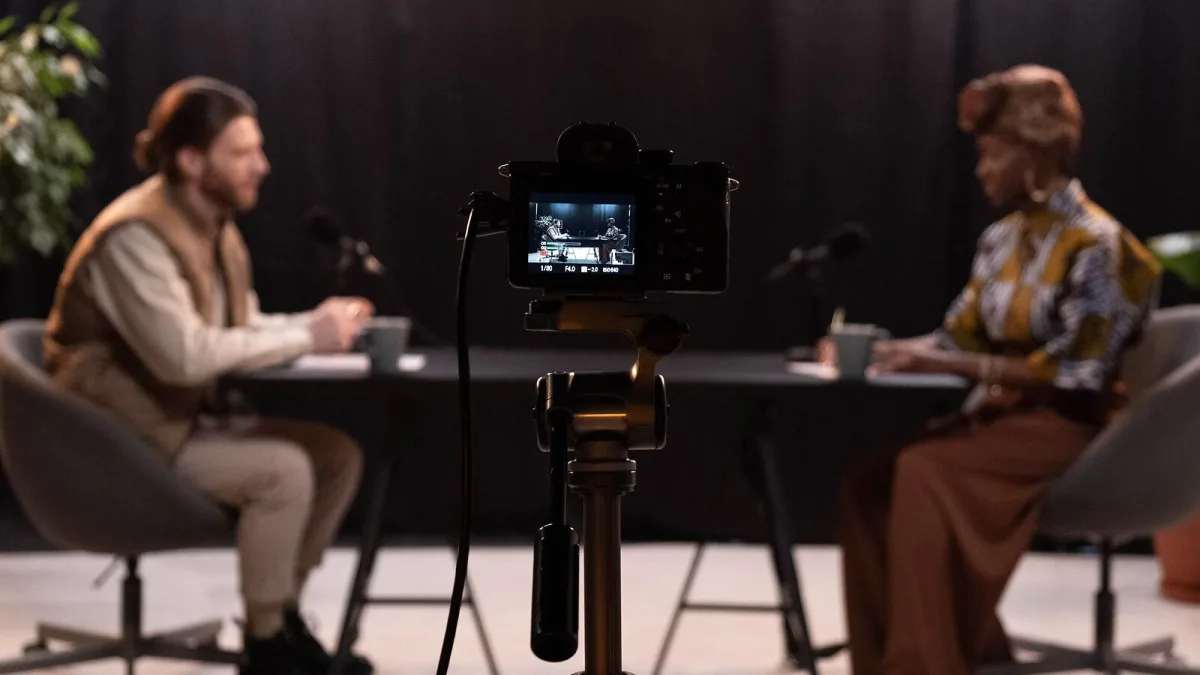
A lavalier microphone is designed to deliver clear, consistent sound when you need hands-free operation and freedom to move. Whether you're presenting on stage, recording a podcast interview or capturing video content, a proper lavalier microphone sits invisibly at your collar whilst delivering professional-quality audio. Understanding how lavalier microphones work and choosing the right model transforms how you sound when hands-free audio matters.
What Is a Lavalier Microphone?
A lavalier microphone is a small condenser microphone that clips onto your clothing, typically near the chest or collar. The name comes from the lavaliere—a type of pendant necklace—because early versions hung like jewellery. Modern lavalier microphones have evolved far beyond that aesthetic, though the principle remains elegant: position a microphone as close to your mouth as practically possible without anyone seeing it.
Most lavalier microphone models use condenser capsule technology, which means they're sensitive to subtle sound details. This makes them ideal for speech, where clarity and articulation matter above all else. A quality lavalier microphone captures the nuance of your voice—the careful articulation of consonants, the natural warmth of your tone—with remarkable fidelity.
Wireless vs Wired Lavalier Microphones
Wireless lavalier microphone systems dominate professional applications. The microphone connects via thin cable to a wireless transmitter (typically worn on your belt), which sends the signal to a receiver connected to your mixing desk or recorder. This setup gives you complete freedom to move across a stage, roam through a venue or navigate a set without being tethered by a cable. Modern wireless lavalier microphone systems have rock-solid reliability, with interference essentially solved by modern frequency-agile technology.
Wired lavalier microphones connect directly via cable to your mixer or recorder. They're simpler, cheaper and require no batteries or wireless transmission. Some performers and content creators prefer wired lavalier microphones precisely for this simplicity. Running the cable under your shirt or jacket makes it invisible, and you never worry about battery life or RF interference.
Sound Quality and Frequency Response
A quality lavalier microphone typically peaks in the 3–5 kHz region, where human speech intelligibility lives. This presence peak makes dialogue punch through in noisy environments without sounding artificially hyped. Some lavalier microphone models add additional presence at 10 kHz for extra air and clarity, particularly useful in theatre productions where you need to project to the back rows.
Frequency response usually spans 50 Hz to 16 kHz—adequate for clear speech reproduction and decent for music if you need your lavalier microphone to pick up instruments or singing. It won't rival a large-diaphragm studio microphone for warmth and richness, but that's not what a lavalier microphone is designed for.
Placement Matters More Than You'd Think
How you position your lavalier microphone dramatically affects what you sound like. Place it too high, near your mouth, and you get excessive plosives and breath noise. Too low, and your voice sounds thin and distant. The sweet spot is usually 15–20 cm below your mouth, just below the collar bone. Angle it slightly upward toward your mouth for a more natural tone than capsule-up positioning.
Clothing makes a real difference. Loose, soft materials like cotton work beautifully with a lavalier microphone. Stiff synthetics rustle and crackle, introducing unwanted noise. Many professionals tape the cable to their shirt with medical tape to prevent clothing noise from reaching the lavalier microphone capsule.
Common Lavalier Microphone Mistakes to Avoid
Never assume that a cheap lavalier microphone bundled with a budget wireless system will serve you well. These often have poor frequency response, thin sound and tendency to pick up every bit of clothing noise. Investing in a quality lavalier microphone from a reputable brand pays off immediately in how professional you sound.
Don't neglect the cable. The cable connecting your lavalier microphone to the transmitter can be a major source of handling noise if it's not properly secured. Use tie clips or medical tape to immobilise the cable against your body, preventing it from moving and creating rustling sounds.
Avoid setting levels too hot. Because lavalier microphones sit close to your mouth, they capture your voice at high levels. Setting your input levels too high will cause distortion when you raise your voice or speak emphatically. Leave headroom in your input level.
Lavalier Microphones for Beginners
If you're starting with lavalier microphones, a wired model is simpler and cheaper than investing in a wireless system. A quality wired lavalier microphone from brands like Shure or Sennheiser costs £50–150 and will teach you lavalier microphone technique without the complexity of wireless transmission. Once you understand positioning and technique, upgrading to wireless makes much more sense.
Practice positioning and gain staging before your performance or recording. Spend time finding the position that sounds natural and clear. Test your levels to ensure you're getting good signal without distortion. This five minutes of preparation prevents problems that would otherwise derail your actual work.
Professional Lavalier Microphones
Budget lavalier microphone options (£30–60) work for casual use but often sound thin and pick up excessive clothing noise. Entry-level professional lavalier microphones (£80–150) offer much better frequency response and rejection of handling noise, suitable for theatre, presentations and podcasting.
Mid-range lavalier microphones (£150–300) deliver the refined sound professionals expect, with careful presence peaking and excellent noise rejection. Brands like Shure WL183 and Sennheiser MKE 2 set industry standards at this price point.
Premium lavalier microphones (£300+) offer exceptional build quality and refined presence, useful when you're recording professional content where audio quality directly affects audience perception.
Setting Up Your Lavalier Microphone System
Test your lavalier microphone positioning before you go live. Move your head, speak at different volumes and from different angles to ensure consistent, clear sound. Mark your positioning with tape or a landmark so you can return to it if you need to adjust later.
Set input levels conservatively. Your lavalier microphone will be close to your mouth, so even moderate voice levels generate substantial signal. Better to have headroom and maintain clear, distortion-free sound than to clip your peaks.
Always have a backup plan. If you're using a wireless lavalier microphone, carry a spare battery. If cable connection fails, have spare cables. Professional use of lavalier microphones means preparing for problems before they happen.
Making Your Lavalier Microphone Work
A quality lavalier microphone is liberating. You're not performing at a microphone—you're having a conversation or telling a story. Your audience sees your face and your movement, not a microphone getting in the way. That psychological shift alone makes lavalier microphones invaluable for presentations, theatre and content creation. Invest in good equipment, learn proper technique and you'll sound professional every time you use it.




Comments