


Large Diaphragm Condenser Microphones article
The Complete Guide to Large Diaphragm Condenser Microphones
Large diaphragm condenser microphones are studio recording standards for vocal performance and acoustic instruments. Learn how they work and which characteristics matter for your recording setup.
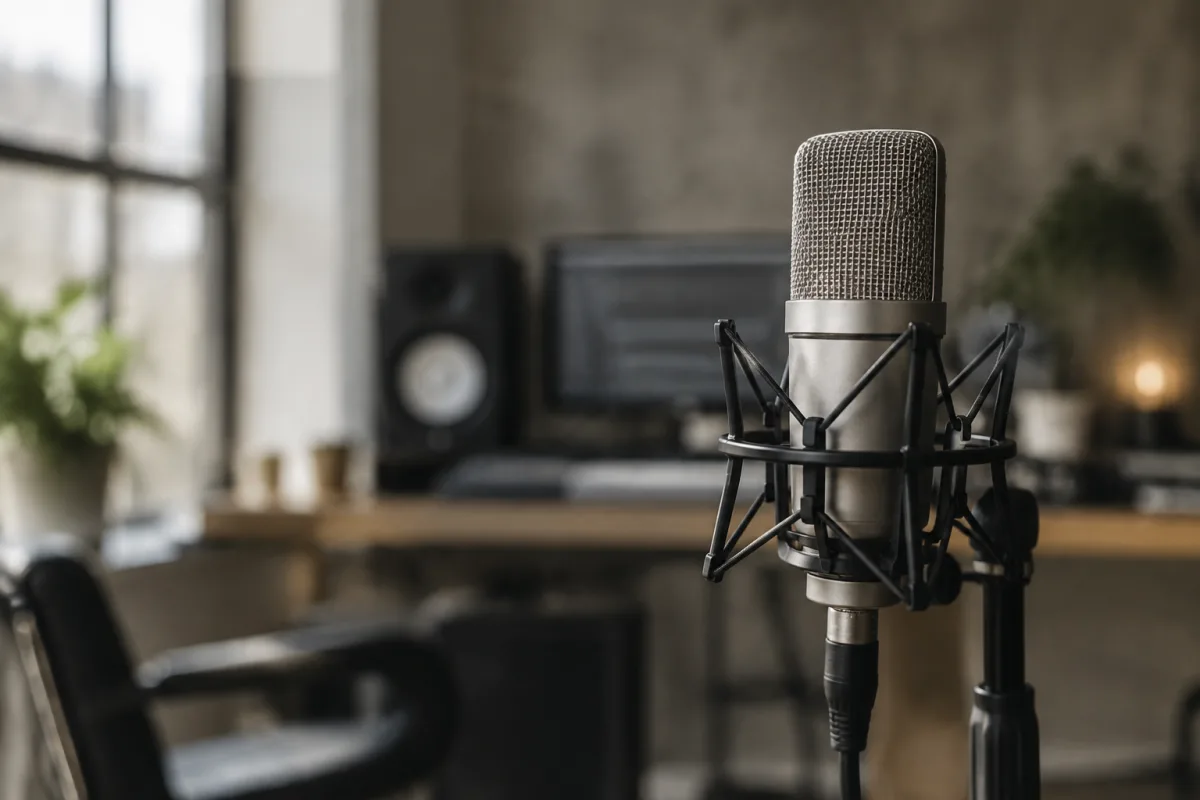
Large diaphragm condenser microphones are the recording studio standard for vocal performance, solo acoustic instruments and intimate sound sources. These microphones employ a relatively large diaphragm (typically 1 inch) suspended near a conductive plate (backplate) with a voltage applied between them. As sound pressure moves the diaphragm, the varying capacitance generates a tiny voltage that, after preamplification, becomes audible audio. Understanding large diaphragm condenser microphone design principles, sonic characteristics and practical application helps you select microphones that complement your recording goals and budget.
How Large Diaphragm Condenser Microphones Work
A condenser microphone operates as a sound-responsive capacitor. The diaphragm acts as one plate of a capacitor; the backplate acts as the other. An external voltage (phantom power, supplied by audio interfaces or mixing consoles) charges this capacitive element. When sound pressure moves the diaphragm, the distance between the diaphragm and backplate changes, altering the capacitance. This changing capacitance produces a tiny voltage proportional to the sound pressure.
The diaphragm size fundamentally affects pickup patterns and frequency response. Large diaphragms (around 1 inch, roughly 25mm) colour the frequency response, adding presence peaks and sensitivity to proximity effect (bass boost when placed near sound sources). This tonal character is precisely why large diaphragm condensers dominate vocal recording—the presence peaks make voices sit prominently in mixes, and the proximity effect can be deliberately exploited for warmth and intimacy.
Diaphragm and Capsule Design
Diaphragm Material
Professional microphone diaphragms are typically polyester film coated with gold or other conductive materials to function as a capacitor plate. Material thickness directly affects frequency response: thinner diaphragms respond more to high frequencies; thicker diaphragms emphasise lower frequencies. Manufacturers carefully select diaphragm thickness to achieve desired tonal character.
Backplate Design
The backplate geometry (spacing, perforation patterns, material) significantly influences frequency response and transient response (how quickly the microphone responds to sudden sound changes). Perforations in the backplate allow air to escape, affecting how quickly the diaphragm can move. Different backplate designs produce distinctly different sounds—a key reason different large diaphragm condensers sound different despite similar basic operating principles.
Tonal Character and Presence Peaks
Most large diaphragm condenser microphones exhibit presence peaks—boosted sensitivity in the 2–5 kHz range where human ears are most sensitive. This characteristic is intentional and desirable: presence peaks make recorded voices sound more lively and forward, sitting naturally in mixes without requiring excessive gain adjustment. The magnitude and frequency of the presence peak varies between microphone designs, creating sonic character differences.
Professional microphones also exhibit tailored bass response. Some emphasise low-end fullness (warm character); others roll off bass below certain frequencies (presence-focused character). This frequency response tailoring is fundamental to microphone sound character—two different large diaphragm condensers from different manufacturers sound distinctly different regardless of price similarity.
Proximity Effect and Intimate Recording
Proximity effect—the bass boost occurring when sound sources are very close to the microphone—is pronounced in large diaphragm condensers due to diaphragm size. Placing a vocal microphone extremely close (1–5 cm) adds substantial low-frequency boost, creating warmth and intimacy. Professional vocalists and engineers often exploit this characteristic deliberately for artistic effect. Understanding proximity effect allows you to either intentionally create warmth or compensate through microphone positioning and EQ to avoid excessive bass.
Pickup Patterns
Cardioid Pattern
Most recording-studio large diaphragm condensers employ cardioid pickup patterns—roughly heart-shaped sensitivity that prioritises sound from the front whilst rejecting sound from the rear and sides. This rejection is crucial for isolation: recording vocals without accompanying drum noise, or recording acoustic guitar without picking up unwanted room ambience. Cardioid patterns are the recording studio standard.
Omnidirectional Pattern
Some large diaphragm condensers offer omnidirectional modes that pick up sound equally from all directions. This pattern suits capturing room ambience (recording orchestras, jazz ensembles in performance spaces) or when maximum output from a distant sound source is desired. Omnidirectional recording requires excellent acoustic environments—room noise becomes a significant problem.
Sound Character Comparison
Professional large diaphragm condensers roughly divide into two camps: warm, coloured designs emphasising presence and intimacy; and transparent, relatively neutral designs prioritising accuracy. Neither approach is superior—choice depends on application and personal preference.
Warm-coloured designs (often emulating classic vintage microphones) suit vocal recording and intimate solo instruments. They add presence and flattery without aggressive EQ. Transparent designs suit instrument recording (acoustic guitar, strings, woodwinds) where capturing exact tonal character matters. Understanding which character suits your application is more important than raw frequency response specifications.
Phantom Power Requirements
All condenser microphones require phantom power—typically 48 volts supplied through the microphone cable from your audio interface, mixing console or dedicated power supply. Most professional audio interfaces automatically supply phantom power via the microphone preamp. This is a critical consideration: a condenser microphone needs phantom power to function; passive microphones (dynamic microphones) operate without power. Always verify your audio interface supplies phantom power before purchasing condenser microphones.
Output Impedance and Sensitivity
Large diaphragm condenser microphones typically exhibit low output impedance (50–100 ohms), ensuring compatibility with professional audio interfaces and mixing consoles. Sensitivity (output level for a given sound pressure) varies between models but typically ranges from 10–30 mV per Pascal. Higher sensitivity means louder output requiring less amplification; lower sensitivity requires more amplifier gain. For most recording applications, this specification is less critical than tonal character.
Shock Mounts and Vibration Isolation
Large diaphragm condenser microphones are vibration-sensitive: handling noise, floor vibration and microphone stand movement translate into audible rumble. Professional microphones require elastic suspension (shock mounts) isolating the microphone from mechanical vibration. Quality shock mounts are essential—a superb microphone through a cheap shock mount sounds poor due to handling and vibration noise.
Budget Considerations and Value
Premium large diaphragm condensers from brands like Neumann, AKG and Shure cost £1,500 to £5,000+. Budget-conscious alternatives from brands like Audio-Technica and Behringer cost £100 to £500. The investment disparity is real, but budget condenser microphones produce perfectly respectable recordings. The choice involves balancing quality ambitions against budget constraints; a quality £300 microphone in a quiet room beats a £3,000 microphone in a noisy environment.
Application Examples
Large diaphragm condensers excel for vocal recording (the primary studio application), solo acoustic instruments (guitar, piano, violin), string ensembles and intimate classical music recording. Their sensitivity to proximity effect and presence peaks makes them less ideal for loud drum recording or distant ensemble miking where neutral character matters more than presence.
Conclusion
Large diaphragm condenser microphones remain studio recording standards because their tonal character and presence peaks suit vocal recording and intimate instruments perfectly. Understanding diaphragm design, frequency response characteristics, proximity effect and pickup patterns allows informed selection matching your recording priorities and budget. Whether investing in professional-grade equipment or exploring budget alternatives, understanding these principles ensures your microphone choice complements your recording goals and acoustic environment.



Comments