


In Ear Monitor System article
In Ear Monitor System for Beginners: A Complete Guide
New to in-ear monitor systems? Learn how they work, why they help performances, and how to get started with a beginner system. Simple explanations and practical guidance for your first setup.
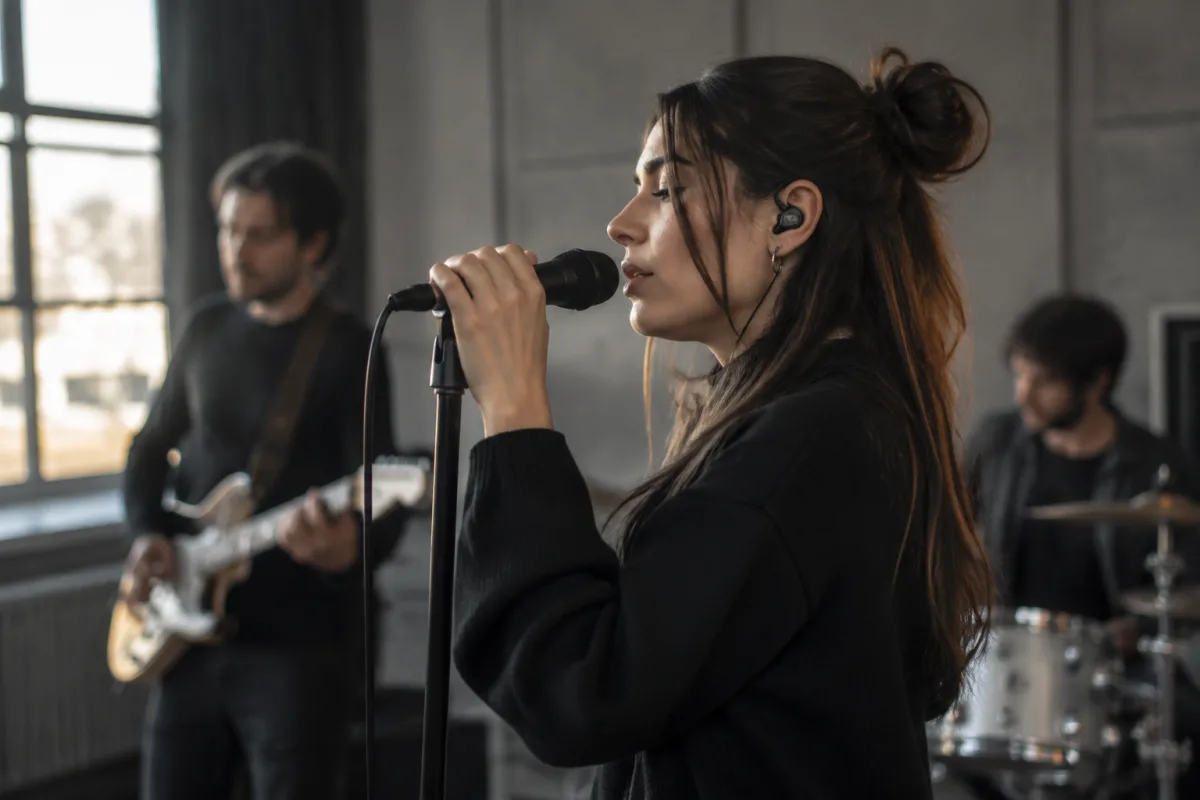
Watching live performers on stage, you might notice small earpieces feeding musicians their audio feeds during performances. That's an in-ear monitor system at work. Whether you're starting a band, performing at your church, or expanding your rehearsal capabilities, understanding in-ear monitors transforms performance quality and confidence. This beginner's guide demystifies the technology, focusing on practical understanding rather than technical complexity.
What Exactly Is an In-Ear Monitor System?
An in-ear monitor system delivers personalised audio mixes directly to performers' earpieces during performances or rehearsals. Instead of relying on stage speakers or hoping to hear bandmates, each performer receives a customised mix via wireless earpieces. This technology started in professional touring but now appears in churches, small clubs, rehearsal studios, and even ambitious home setups.
Think of it as a personal mixing console for each performer. Your drummer hears extra click track and drums. Your vocalist focuses on their own voice and guide vocals. Your bassist locks with the kick drum. Everyone hears exactly what helps their performance whilst remaining together with the band. This level of control transforms both performance quality and confidence.
Why Beginners Benefit from In-Ear Monitors
Starting bands struggle with timing, intonation, and general cohesion. Providing each member their own monitoring mix addresses these issues directly. Without proper monitoring, musicians guess at timing and struggle to hear each other. In-ear monitors solve this problem elegantly, helping your band sound genuinely professional from your first rehearsals.
In-ear monitors also build performer confidence tremendously. When you clearly hear your own performance and your bandmates, you relax and perform better. The anxiety of "Am I in time?" or "Can anyone hear my guitar?" disappears when everyone has proper monitoring. This confidence benefit makes it worthwhile even for casual garage bands.
Simple In-Ear Monitor System Setups
Beginner systems start simply—a mixer feeds an in-ear monitor wireless transmitter, with performers wearing receivers and earpieces. This setup requires surprisingly little gear: a small mixer, a wireless transmitter/receiver system, earpieces, and microphones. Most beginner systems cost £400-1,000 for a complete setup supporting 4-6 performers.
Begin with one or two wireless mixes if budget is tight. Your drummer and vocalist might share one mix, with bassist and lead guitarist sharing another. This approach works surprisingly well for smaller groups whilst you learn the technology. Add additional mixes as your confidence and budget grow.
Getting Started: Your First Setup
Starting is simpler than most beginners imagine. Connect microphones and instruments to your mixer as usual. Instead of sending audio to a main speaker system, send it to an in-ear monitor wireless transmitter. Performers wear receivers with earpieces receiving their personalised mixes. The microphone and instrument signals feed the mixer; performers adjust their personal mixes via receiver volume controls.
Your first rehearsal with in-ear monitors feels revelatory. Musicians immediately notice improved timing and cohesion. The confidence boost alone justifies the technology. Don't expect perfection immediately—your first session involves everyone adjusting their personal mixes. That's entirely normal and actually enjoyable as performers discover their ideal mix.
Common Beginner Mistakes to Avoid
Many beginners assume everyone needs identical monitoring mixes. That defeats the purpose entirely. Each performer needs a personalised mix emphasising what helps their individual performance. Your drummer needs to lock on kick and click track. Your vocalist focuses on their own voice and guide vocals. Your bassist needs drums and bass locked together. Allow customisation—that's the whole point.
Another common mistake involves underestimating audio feedback and interference. Wireless systems require adequate frequency management to prevent dropouts or interference. Smaller beginner systems rarely offer sophisticated frequency management, but understanding the basics prevents frustrating technical issues during performances.
Beginners also frequently neglect performer education. Your band members need to understand how to adjust their monitoring mixes, troubleshoot simple issues, and care for wireless equipment. A brief training session prevents confusion during performances.
Choosing Your First In-Ear Monitor System
Entry-level wireless in-ear monitor systems typically cost £400-800 and support 4-6 performers. Brands like Shure, Sennheiser, and others offer beginner-focused systems providing reliable performance without overwhelming complexity. Read reviews specifically from musicians who've used systems for rehearsals and small performances—their perspectives reflect your actual use case far better than professional touring equipment reviews.
Consider whether you want hardwired or wireless systems initially. Hardwired monitors use audio cables and headphone distribution amplifiers, significantly cheaper but less flexible. Wireless systems offer superior performance but cost more. For most beginner bands, wireless systems justify their cost through improved performance and confidence.
Setup and Sound Check Preparation
Before each rehearsal or performance, conduct a simple sound check. Verify all microphones feed the mixer, all wireless receivers power on and connect to the transmitter, and all performers receive audio in their earpieces. Allow performers to adjust their personal mix levels to comfort. This five-minute preparation prevents technical disasters later.
Have a backup plan for wireless system failures. Carry spare batteries, understand how to quickly swap failed components, and know how to run rehearsals without in-ear monitors if systems fail entirely. This preparation breeds confidence and professionalism.
Expanding Your System Over Time
After several months using a basic in-ear monitor system, you'll understand your specific needs. Perhaps you need additional wireless mixes for more performers. Maybe you want upgraded earpieces for better comfort during longer sets. Perhaps you need professional-grade frequency management for reliable performance in challenging venues. These upgrades make sense only after you genuinely understand your requirements.
Your initial system teaches you invaluable lessons about performer needs, technical requirements, and workflow preferences. This knowledge guides future upgrades far better than speculation about theoretical needs.
Building Performer Confidence with Monitoring
The most valuable aspect of in-ear monitors isn't technical sophistication—it's how they empower performers. When your band's members clearly hear themselves and each other, performances tighten dramatically. Energy increases. Mistakes decrease. Most importantly, everyone enjoys performing more when they feel confident about timing and blend.
Watch your band's development after introducing in-ear monitors. You'll notice immediate improvement in performance cohesion. That's not coincidence—it's the direct result of proper monitoring providing the foundation for tighter, more confident performances.
For comprehensive information about in-ear monitor systems and how they function across professional and amateur performances, explore our complete guide to in-ear monitor systems. Whether you're rehearsing your first band or upgrading existing equipment, in-ear monitoring transforms performances in genuinely audible ways. Your audience hears the difference, and more importantly, your performers feel the confidence difference from the first rehearsal forward.


Comments