
Headset Mic Singing article
The Complete Guide to Headset Mic Singing
A professional headset mic for singing provides hands-free vocal capture ideal for performers, instructors and content creators seeking reliable audio quality.
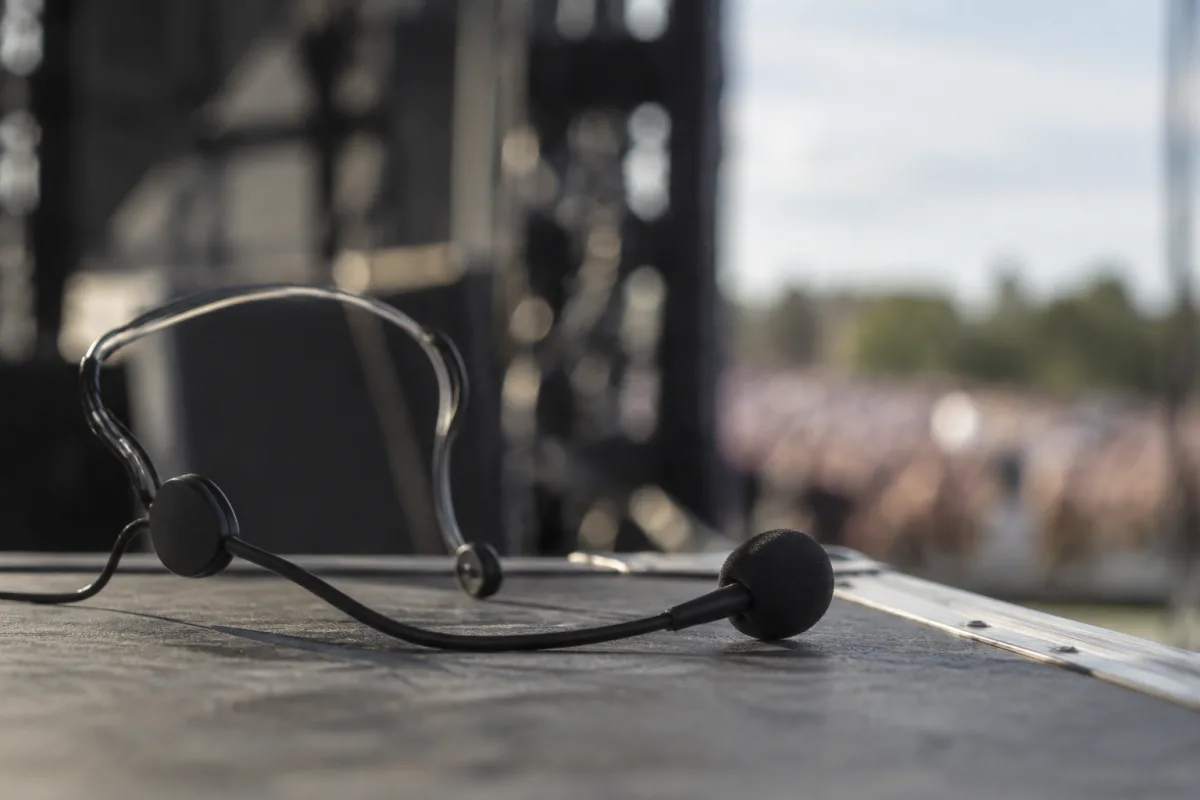
A headset mic for singing offers hands-free vocalization ideal for performers, fitness instructors, public speakers and content creators. Unlike traditional stand microphones requiring constant positioning, a headset mic keeps your hands free whilst capturing clear vocal performance. Whether you're leading an aerobics class, performing theatre, streaming content or teaching, a quality headset microphone delivers reliable audio capture without the restrictions of wired or stand-mounted alternatives.
Types of Headset Microphones for Singing
Headset mics for singing come in several configurations. Omnidirectional models capture sound from all directions, suited to capturing ambient audio and movement. Cardioid headset mics reject sound from the rear, focusing on the vocalist's voice whilst minimising feedback and background noise. Super-cardioid designs offer even tighter pickup patterns ideal for live performance. The choice depends on your environment and how much ambient sound you want captured.
Wired vs. Wireless Headset Microphones
Wired headset mics for singing offer reliability and no battery management, ideal for studio recording and fixed installations. Wireless models provide freedom of movement, essential for performers who dance or move extensively. Modern wireless systems offer professional audio quality and stable operation across substantial distances. The trade-off is cost—wireless systems exceed wired options significantly.
Audio Quality and Frequency Response
A quality headset mic for singing captures vocal frequencies clearly whilst rejecting wind noise and mechanical vibration from head movement. Professional models feature response ranges optimised for vocal reproduction, typically 50Hz–20kHz. Noise-cancelling circuitry reduces background noise without compromising vocal clarity. Premium headset mics employ dual-element designs capturing vocals with exceptional definition.
Comfort and Fit for Extended Wear
A headset mic for singing must be comfortable during extended performance or instruction sessions. Adjustable headbands accommodate different head sizes. Padded ear loops reduce ear fatigue. Lightweight construction prevents neck strain. The best headset mics balance durability with comfort, allowing performers to forget they're wearing the mic during intense physical activity.
Microphone Positioning and Sensitivity
The microphone element should position consistently near your mouth for optimal pickup. Adjustable boom arms allow customisation for different facial structures. Flexible gooseneck designs enable fine-tuning of microphone placement. Sensitivity adjustment ensures proper levels without feedback issues common with oversensitive headset mics for singing.
Cable Management and Durability
Quality headset mics for singing feature robust cables designed to withstand movement and frequent use. Reinforced connectors prevent dropouts from intermittent contact. Cable sleeves protect against tangling and damage. Professional-grade construction means your investment survives years of intensive use without degradation.
Application-Specific Considerations
Performers choose headset mics for singing based on specific needs. Stage performers prioritise wireless operation and feedback rejection. Fitness instructors need durable, sweat-resistant microphones. Content creators benefit from USB-connected wireless options. Teachers appreciate lightweight comfort for full-day wear. A headset mic for singing must match your specific application for optimal results.
Feedback Prevention and Sound Reinforcement
The cardioid pattern in quality headset mics for singing minimises feedback when used with amplification systems. Proper gain setting and microphone positioning prevent howling and distortion. Many systems include automatic gain control reducing feedback risk. Understanding these principles ensures reliable, clean audio from your headset microphone.
Price Ranges and Professional Models
Budget headset mics for singing cost £30–£100 and serve basic needs. Mid-range professional models (£150–£400) offer superior audio quality and durability. Premium wireless systems exceed £500, approaching professional broadcast quality. Most serious performers find excellent value in the £200–£350 range.
Maintenance and Care
Keep your headset mic clean, storing it in a protective case when not in use. Check cables regularly for damage. Replace foam windscreens when compressed. Regular inspection ensures your microphone performs reliably for years of professional use.


Comments